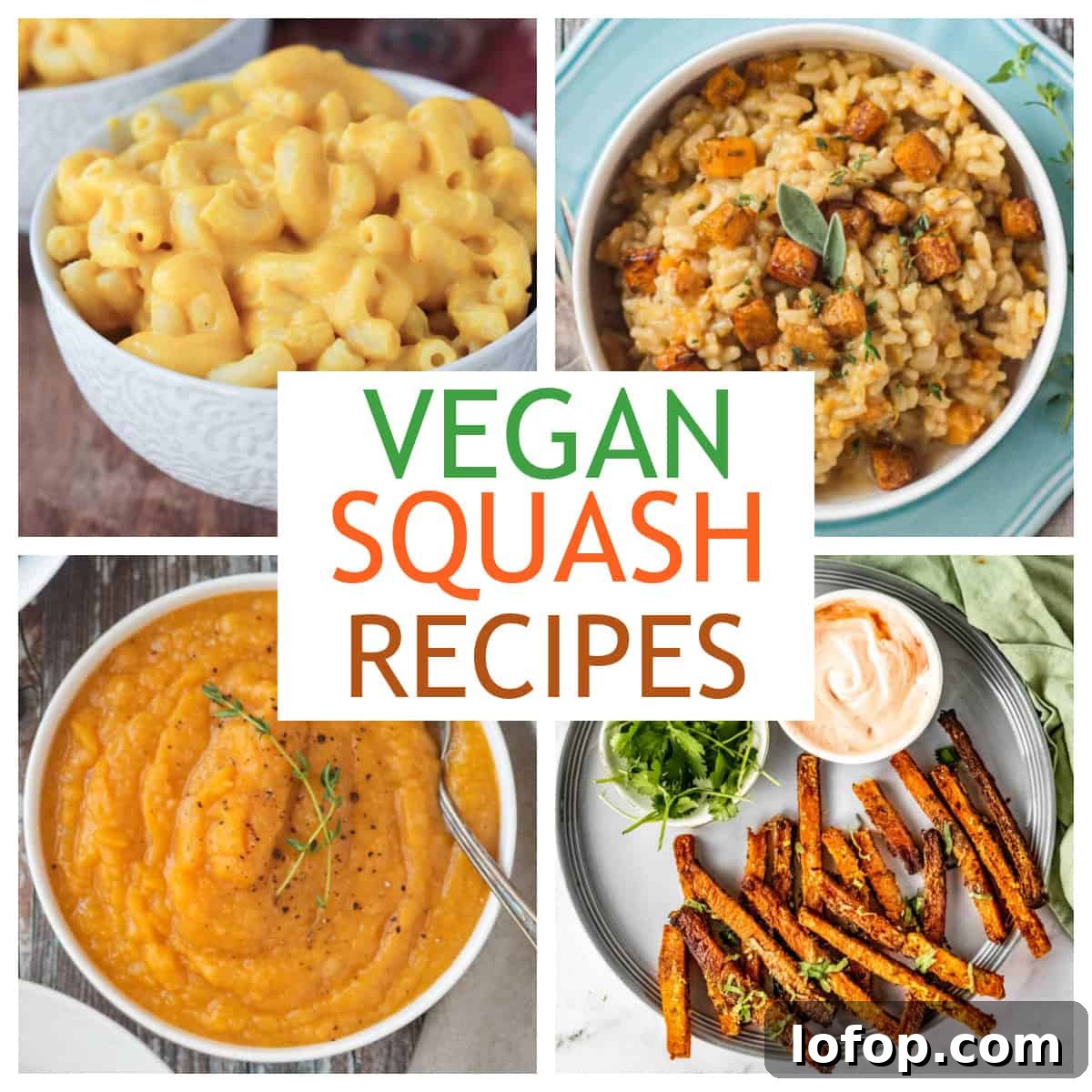
Butternut squash can feel daunting if you’re not sure where to start. This guide explains the simplest way to cut and prepare it, outlines easy cooking methods, and highlights a selection of the best vegan recipes that showcase its flavor and versatility.
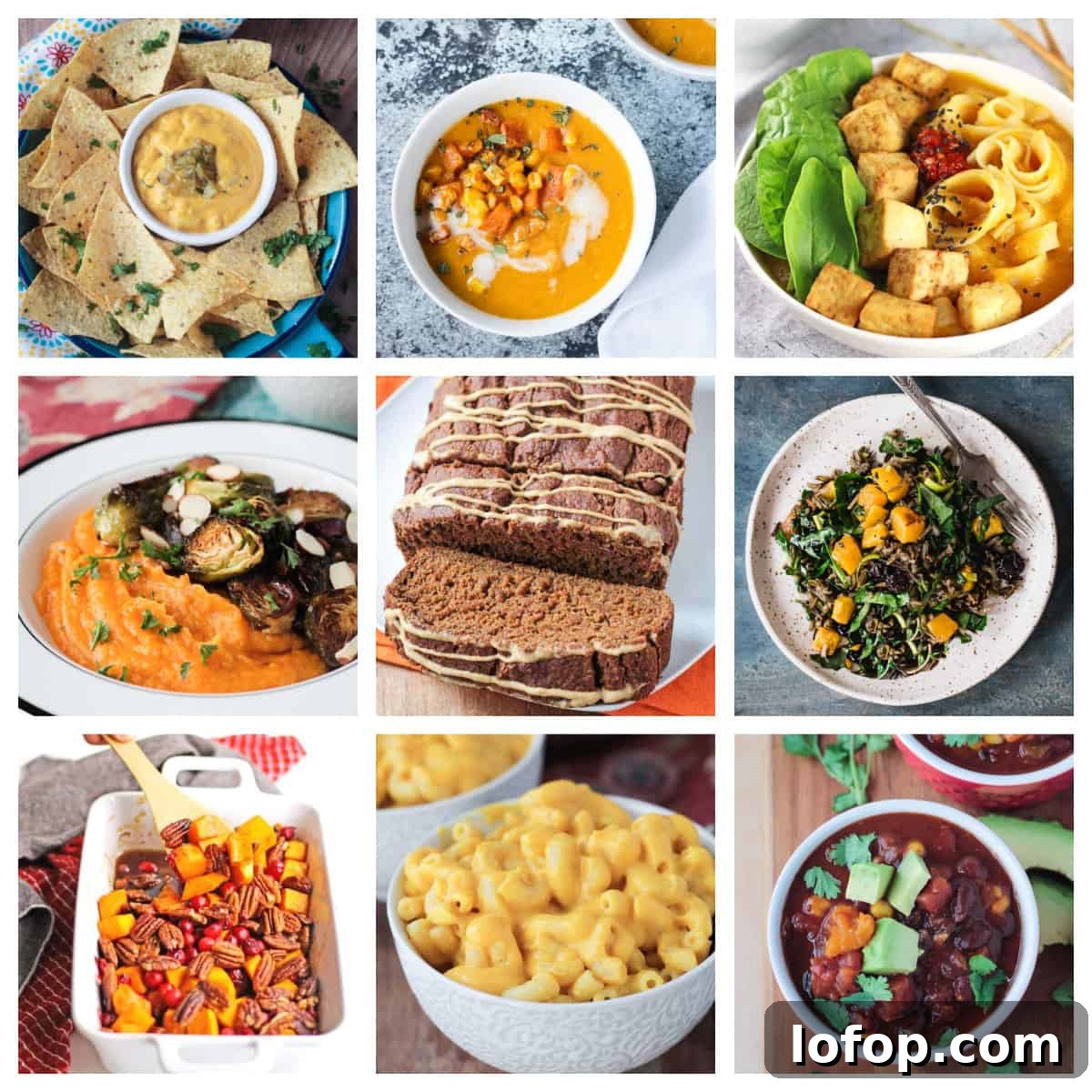
Butternut squash is a favorite fall vegetable because it’s so adaptable. Roast it, purée it into soups or sauces, slice it into “steaks” and grill or roast them, or stuff halved squash for an impressive main. Its bright orange flesh makes it an excellent substitute for pumpkin in baked goods and desserts as well.
Below you’ll find straightforward instructions for handling and cooking butternut squash and a curated list of delicious vegan recipes that are easy to make and full of seasonal flavor.
What is butternut squash?
Butternut squash is a type of winter squash that grows on a vine. It has a tan-beige skin and vibrant orange flesh. The texture is similar to pumpkin, with a mild, nutty flavor and a gentle natural sweetness that pairs well with both savory and sweet preparations.
How to cut
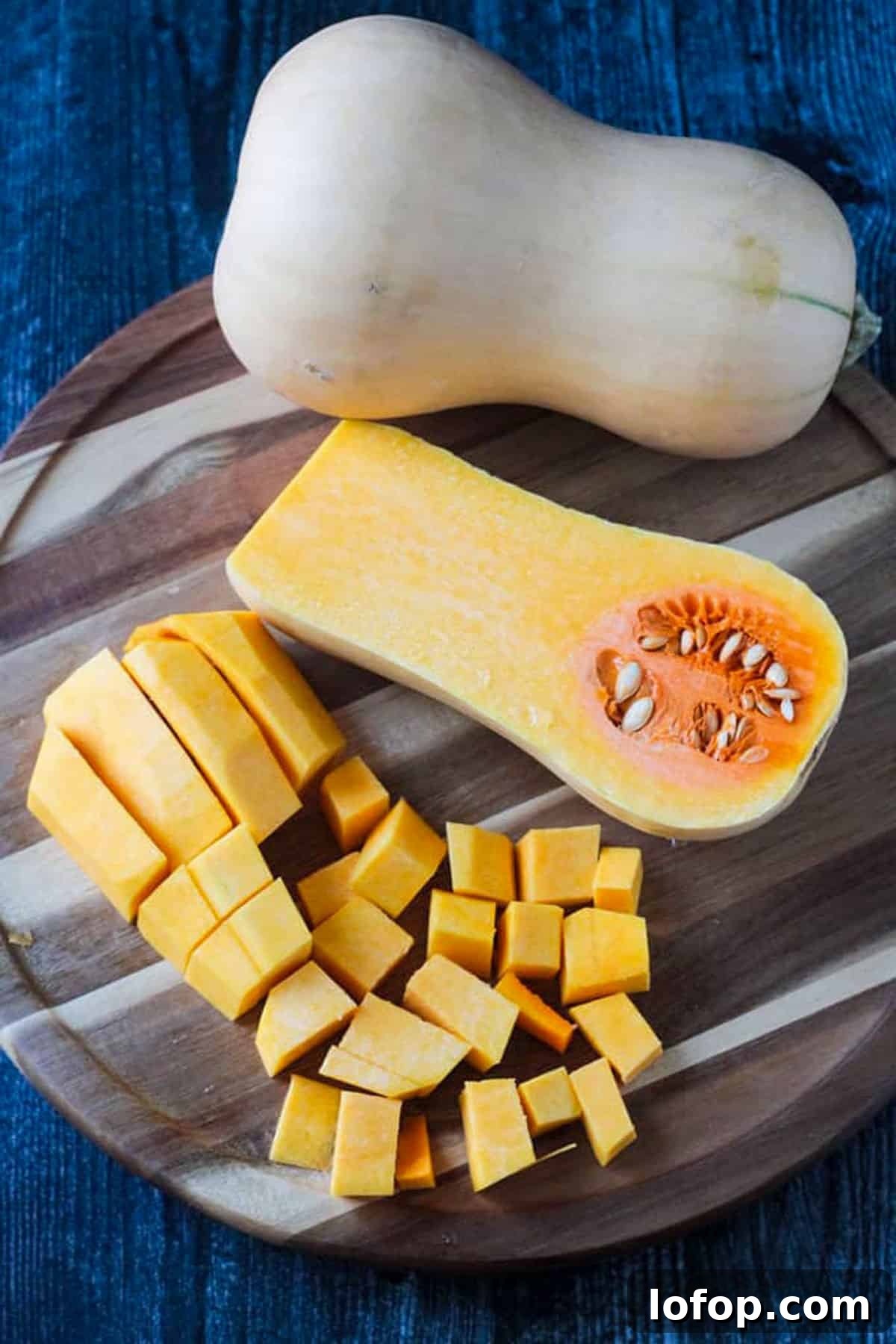
Start by trimming a small slice from both ends so the squash sits flat on the cutting board. If the bottom (bulbous) portion is very rounded, cut it away from the neck and work with the two pieces separately. Halve the bulbous end lengthwise and scoop out the seeds with a spoon.
Peel the squash carefully. You can use a sturdy vegetable peeler if you prefer, but a sharp chef’s knife often makes quick work of the thicker skin—just use caution and stable cutting technique. Once peeled, cut the squash into the shape you need: slices, cubes, or wedges.
How to cook
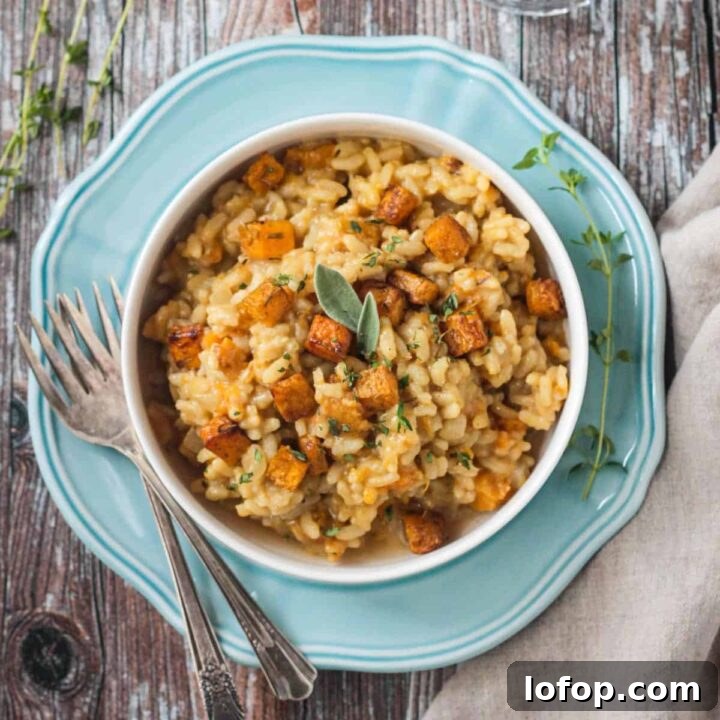
Roasting is the most popular way to cook butternut squash: it concentrates the natural sugars and develops a caramelized exterior. To roast, toss cubes or slices with a little oil, salt, and pepper, spread in a single layer, and bake at 400°F (about 200°C) until tender and golden.
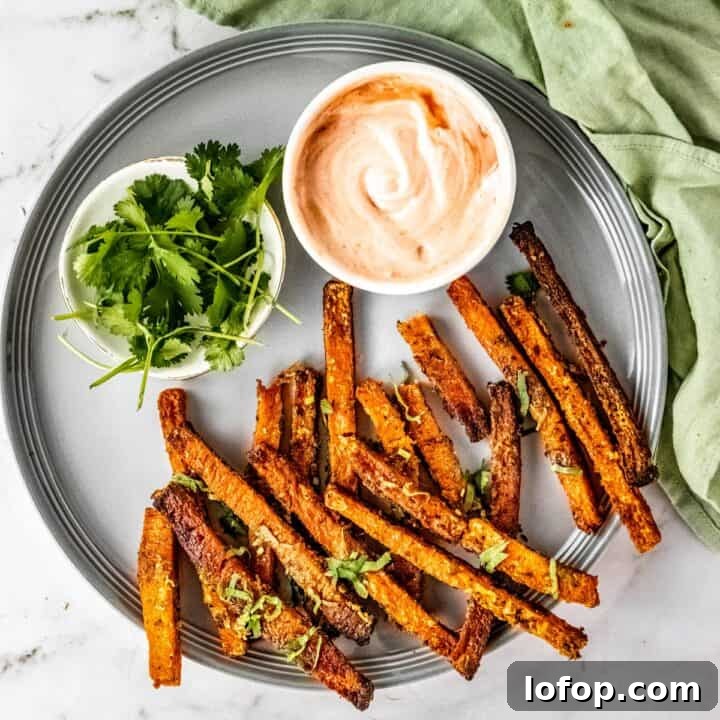
Other quick methods include steaming or boiling for mashing or puréeing, and microwaving for fast prep when you want to scoop out cooked flesh from a halved squash. For creamy soups, simmer cubed squash until soft, then blend with stock and seasonings. For a dinner centerpiece, slice the squash into thick “steaks,” brush with oil and seasonings, and roast or grill until tender.
Experiment with spices like cinnamon, nutmeg, smoked paprika, cumin, curry powder, or chili flakes depending on whether you’re aiming for sweet or savory notes.
FAQs
You do not strictly have to peel butternut squash, since the skin is technically edible. In practice, the skin remains tough even after cooking, so most people prefer to peel it. If you roast a halved squash, you can leave the skin on while baking and then spoon the tender flesh out after cooking, leaving the skin behind.
Winter squash can be eaten raw in thin slices or ribbons, but it’s generally more flavorful and easier to digest when cooked. Cooking softens the texture and unlocks nutrients and natural sweetness.
More vegan recipe roundups
-
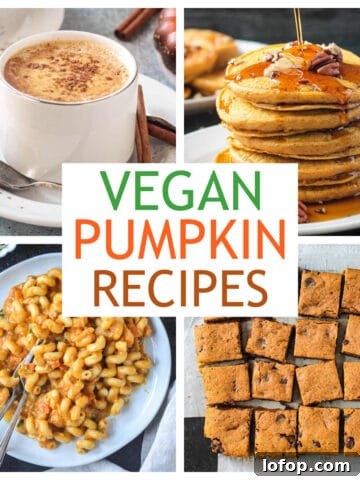
Vegan Pumpkin Recipes
-
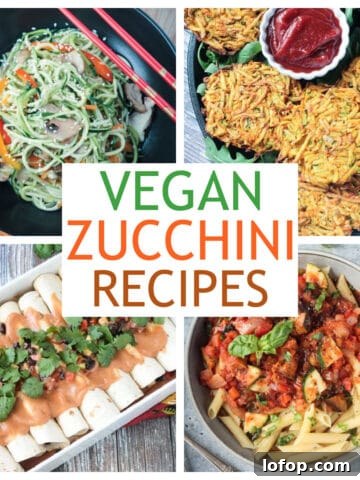
Easy Zucchini Recipes
-
Savory Vegan Chickpea Recipes
-
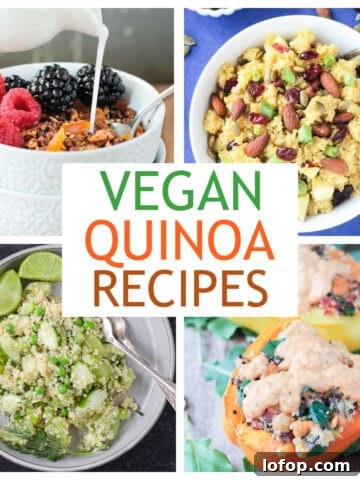
Vegan Quinoa Recipes

I hope you enjoy these recipes! If you try one, please leave feedback in the comments. Sign up for the FREE newsletter to get new recipes, and follow the creator on social channels for more inspiration. For more family-friendly meatless meals, consider checking the cookbook mentioned by the author.

Make this recipe
Make this recipe
Make this recipe

Make this recipe
Make this recipe

Make this recipe