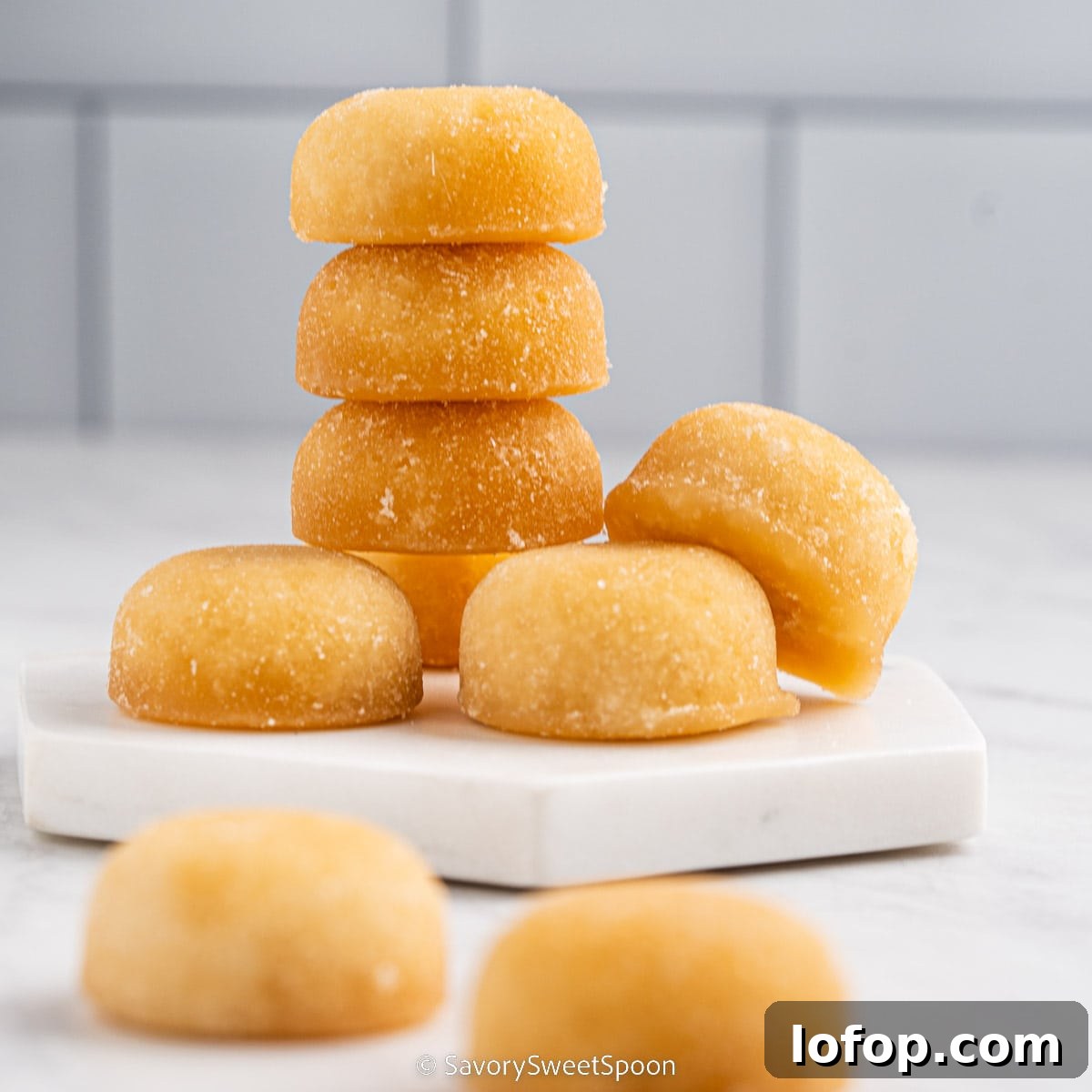
Ever been in the middle of cooking and realized your recipe calls for palm sugar? It happens to everyone. What is palm sugar, and what can you use when you don’t have it on hand? Whether you’re experimenting with new flavors, accommodating dietary preferences, or simply can’t find palm sugar locally, there are several reliable substitutes that preserve the sweet, caramelized character it adds to dishes. Below are practical alternatives and where to find palm sugar if you’d prefer the authentic ingredient.
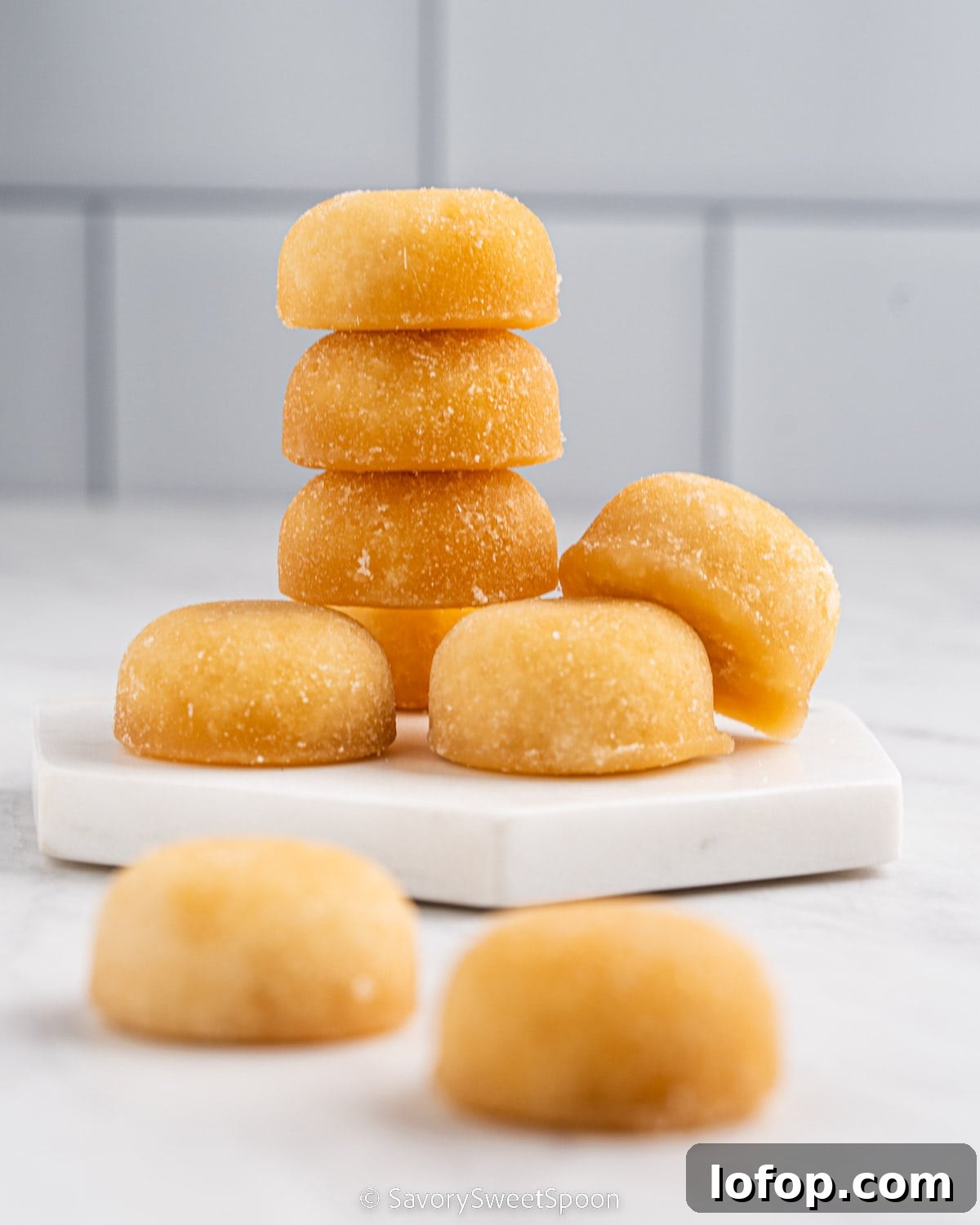
What is Palm Sugar?
Palm sugar is a natural sweetener made from the sap of various palm trees. The sap is collected, gently boiled to reduce moisture, and then solidified into blocks, granules, or syrup. It’s a pantry staple across Southeast and South Asia, prized for a deep, caramel-like sweetness with subtle butterscotch or toffee notes.
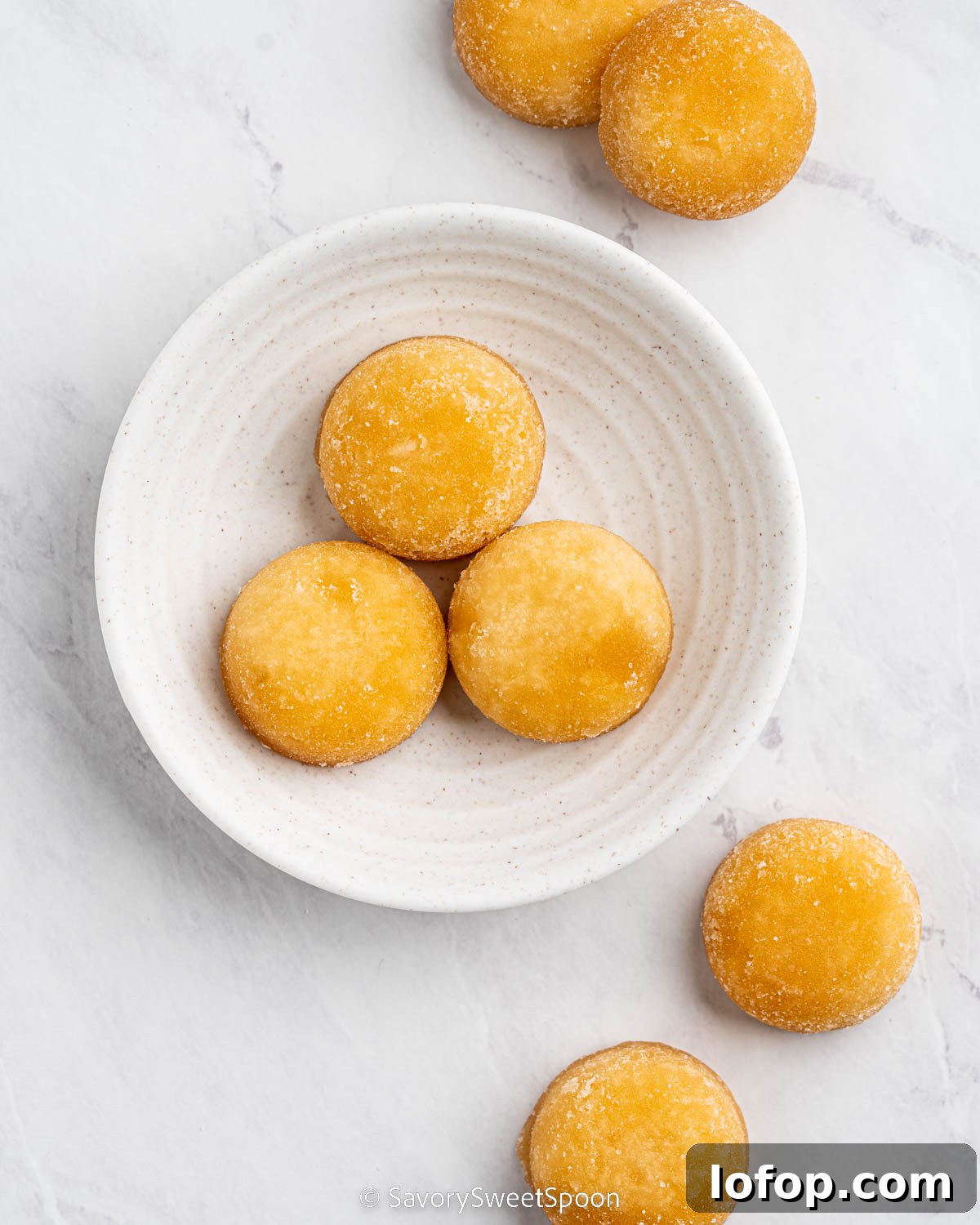
Palm sugar appears in several forms—hard cakes, granular sugar, or liquid syrup—and ranges in color from light to dark brown depending on processing and the palm species. It’s used in both savory and sweet recipes: think curries, dressings, marinades, and desserts. Compared with refined white sugar, palm sugar is less processed and offers a more complex flavor profile that can elevate many dishes.
Where can I find it?
- Asian grocery stores: These stores commonly stock palm sugar in blocks, granules, or syrups. Check the baking, spice, or Southeast Asian ingredient aisles.
- International or ethnic sections of supermarkets: Larger grocery chains often carry palm sugar in their international foods area, particularly those with a strong Asian selection.
- Specialty and health-food stores: Stores focused on organic or natural ingredients may offer palm sugar as an alternative sweetener.
- Online retailers: Many e-commerce platforms sell palm sugar in various forms, which is convenient if local options are limited.
6 Best Substitutes for Palm Sugar
When palm sugar isn’t available, consider these substitutes. Each one brings its own texture and flavor, so choose based on the recipe and the profile you want to achieve.
1. Coconut Sugar
Coconut sugar is made from the sap of coconut palms and offers a similar caramel-like flavor and color. It’s one of the closest dry substitutes and can typically be used in a 1:1 ratio for palm sugar in both baking and cooking.
2. Maple Syrup
Pure maple syrup provides complex sweetness with caramel and woody notes. Because it’s a liquid, reduce other liquids in the recipe slightly or use it in sauces, dressings, and marinades where added moisture is acceptable. Adjust quantity to taste.
3. Brown Sugar
Dark brown sugar contains molasses, which gives it deep, caramel-like flavors similar to palm sugar. Use it cup-for-cup in most recipes. For a closer match, choose dark brown rather than light brown.
4. Honey
Honey is a liquid sweetener with floral and fruity nuances that vary by variety. It works well in beverages, dressings, and some baked goods. Because honey is sweeter and more distinct in flavor, start with a slightly smaller amount and adjust to taste. Reduce other liquids if needed.
5. Date Sugar
Date sugar is made from dried, ground dates and has a rich, fruity sweetness. It’s a dry sugar substitute that can usually be swapped 1:1 for palm sugar in recipes where a subtle date flavor complements the dish. Note that date sugar doesn’t dissolve as readily as refined sugars in some liquids.
6. Agave Nectar
Agave nectar is a mild, honey-like syrup with a caramel hint. It’s suitable for beverages, smoothies, and liquid-based recipes. Like other liquid sweeteners, account for the extra moisture by reducing other liquids slightly or adjusting cooking times where necessary.
Tips for substituting: match texture when possible (dry for dry, liquid for liquid), taste as you go, and remember that color and flavor intensity will vary. For recipes where palm sugar’s caramel depth is important, combining substitutes—such as brown sugar with a splash of maple syrup or molasses—can better replicate the original profile.