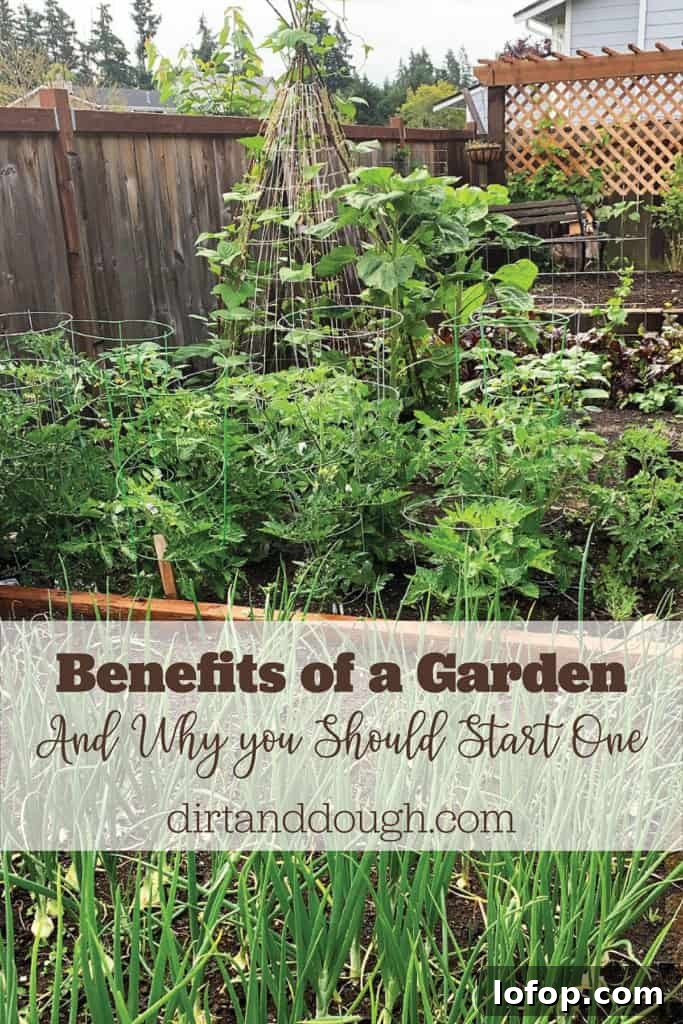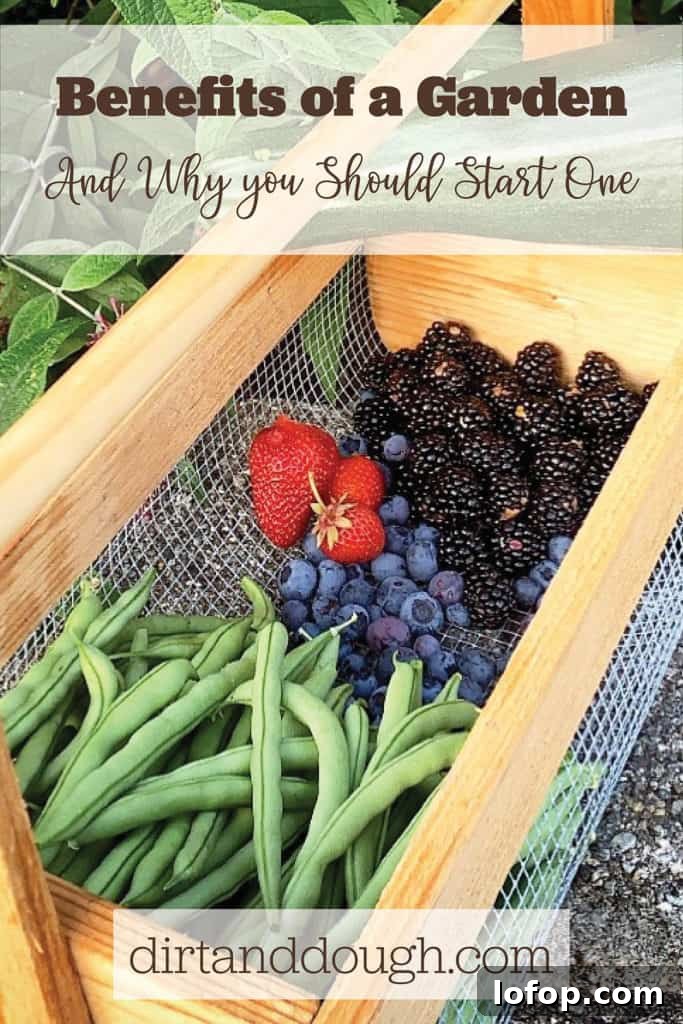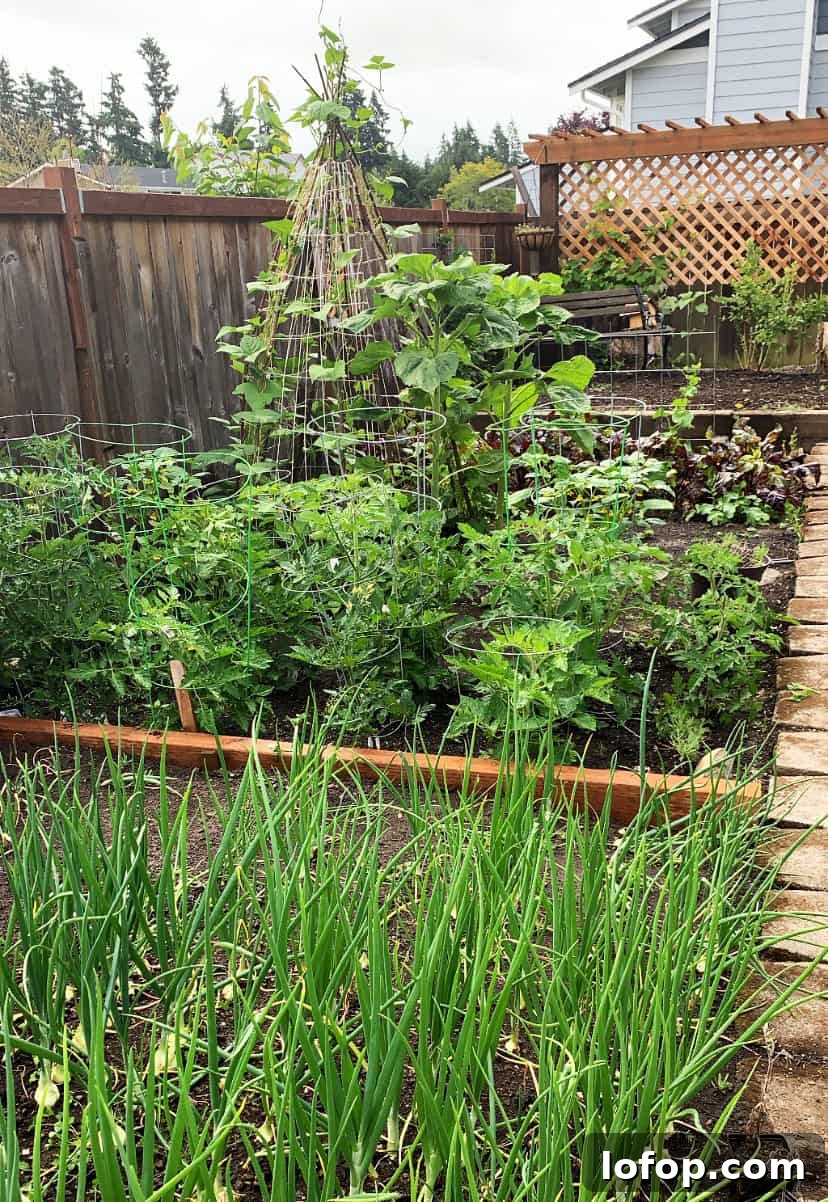
There’s more to gardening than growing nutritious food. From fresh ingredients at your fingertips to hands-on learning for the whole family, a garden brings many rewards beyond the harvest.
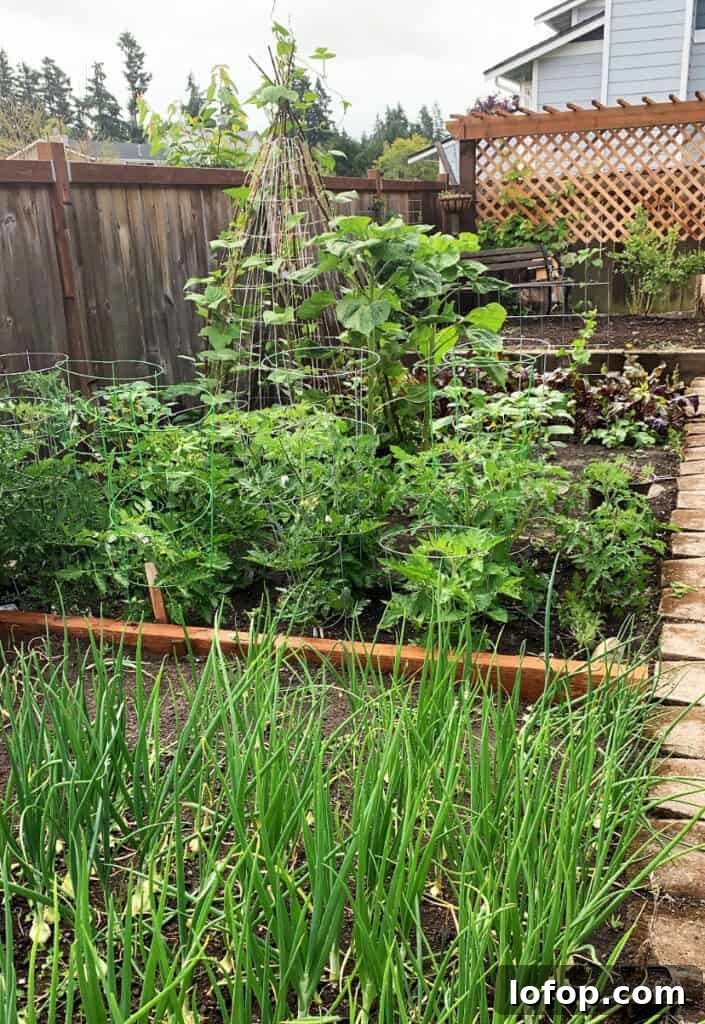
If you’ve considered starting a garden, this is a friendly nudge to give it a try. I’m not an expert, but I’ve learned a lot over the seasons and found gardening doesn’t need to be complicated. With modest effort, my family enjoys a bounty of fresh produce each year.
Below are the benefits that keep me motivated to plant, tend, and harvest every season. These are practical reasons to start—even with just a single plant.
Garden Benefits
1. Fresh Produce
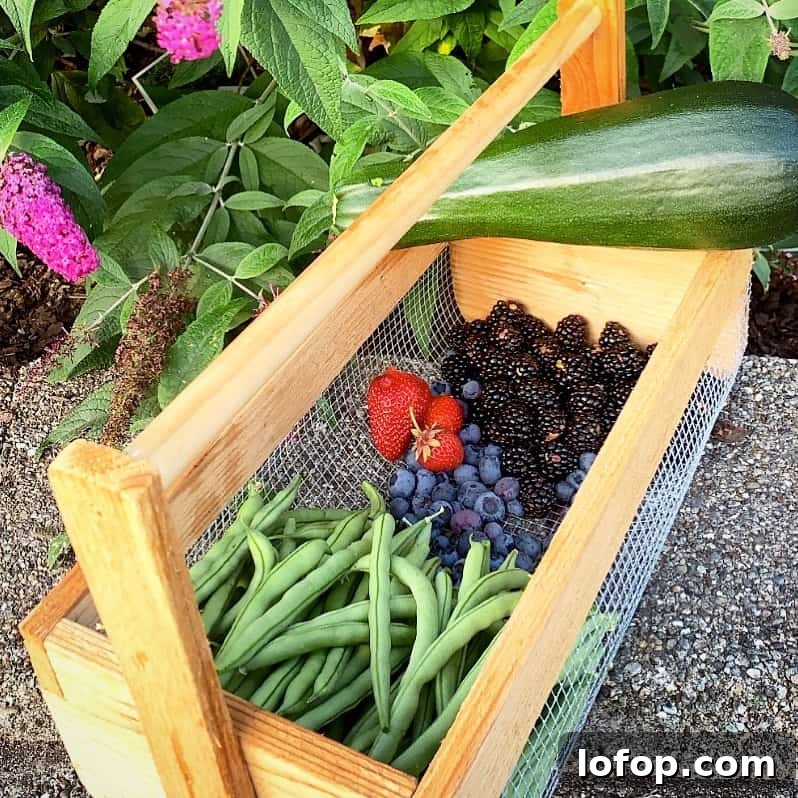
The most obvious benefit is flavor. A garden tomato, freshly picked, simply can’t be matched by store-bought produce. Homemade tomato basil soup or a caprese salad made with garden ingredients has a depth and brightness that store produce rarely offers. You also know exactly how your food was grown.
2. Yard Snacks
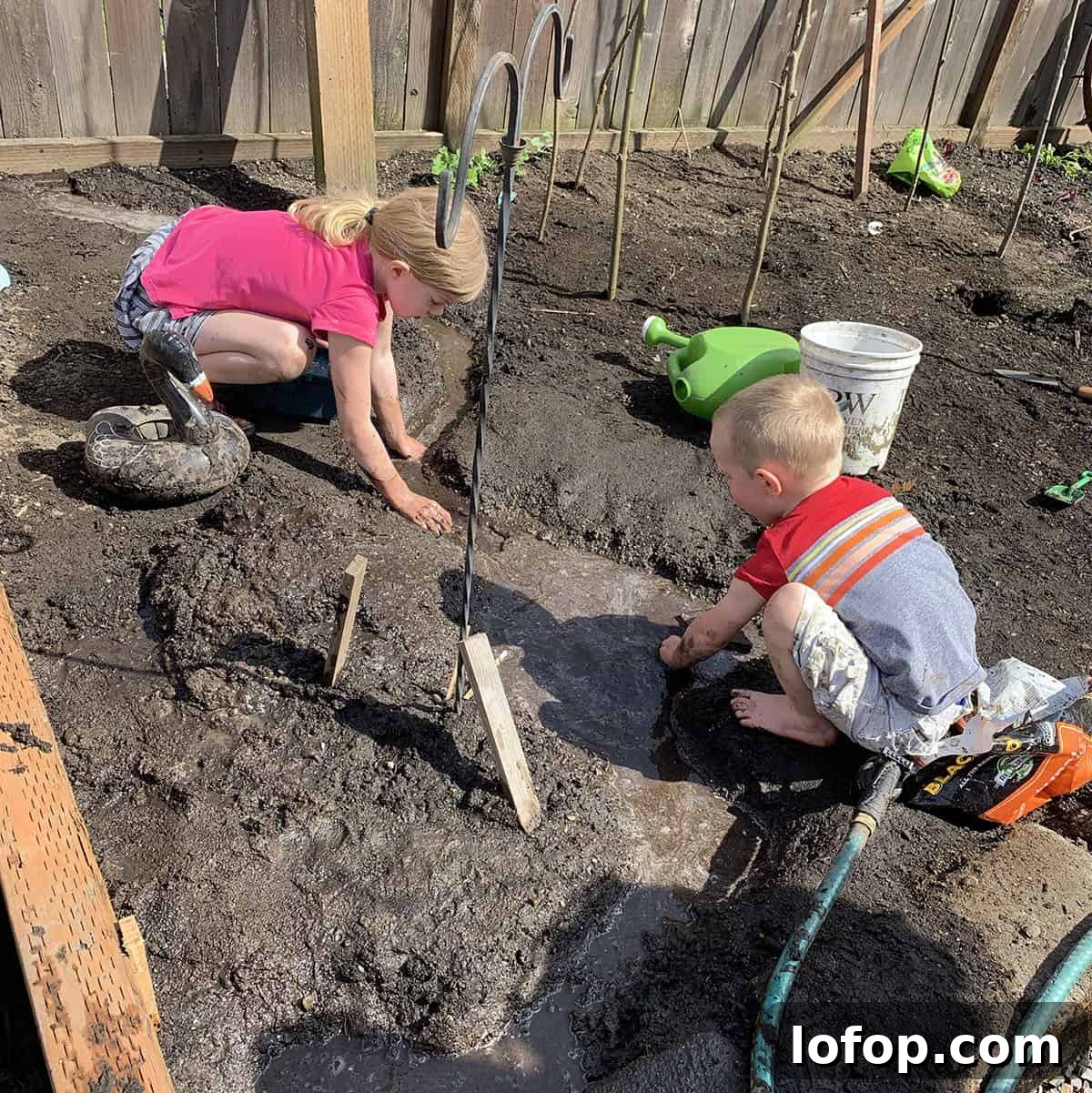
In summer my kids practically live outside, and the garden becomes their snack pantry. I leave berry bushes, sugar snap peas, and carrots accessible so they can nibble throughout the day. They love it—often covered in dirt and berry juice—and it’s a wonderful way for them to connect with food.
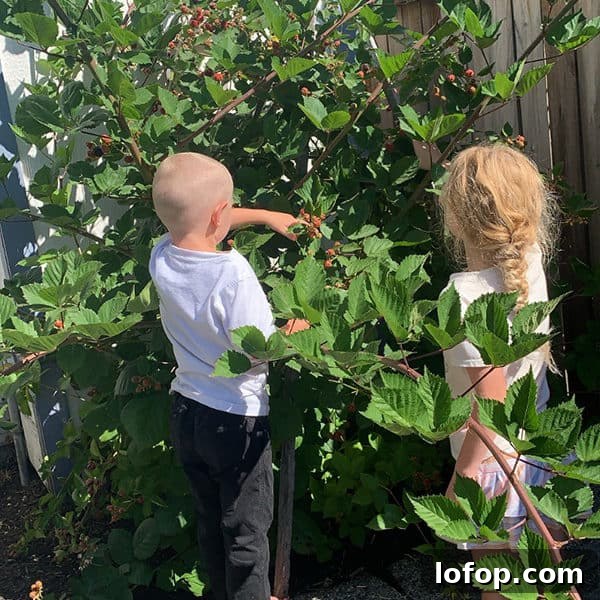
Watching my children proudly show friends the “honey holes” of berries or carry armfuls of grapes fills me with joy.
3. Less Grocery Shopping
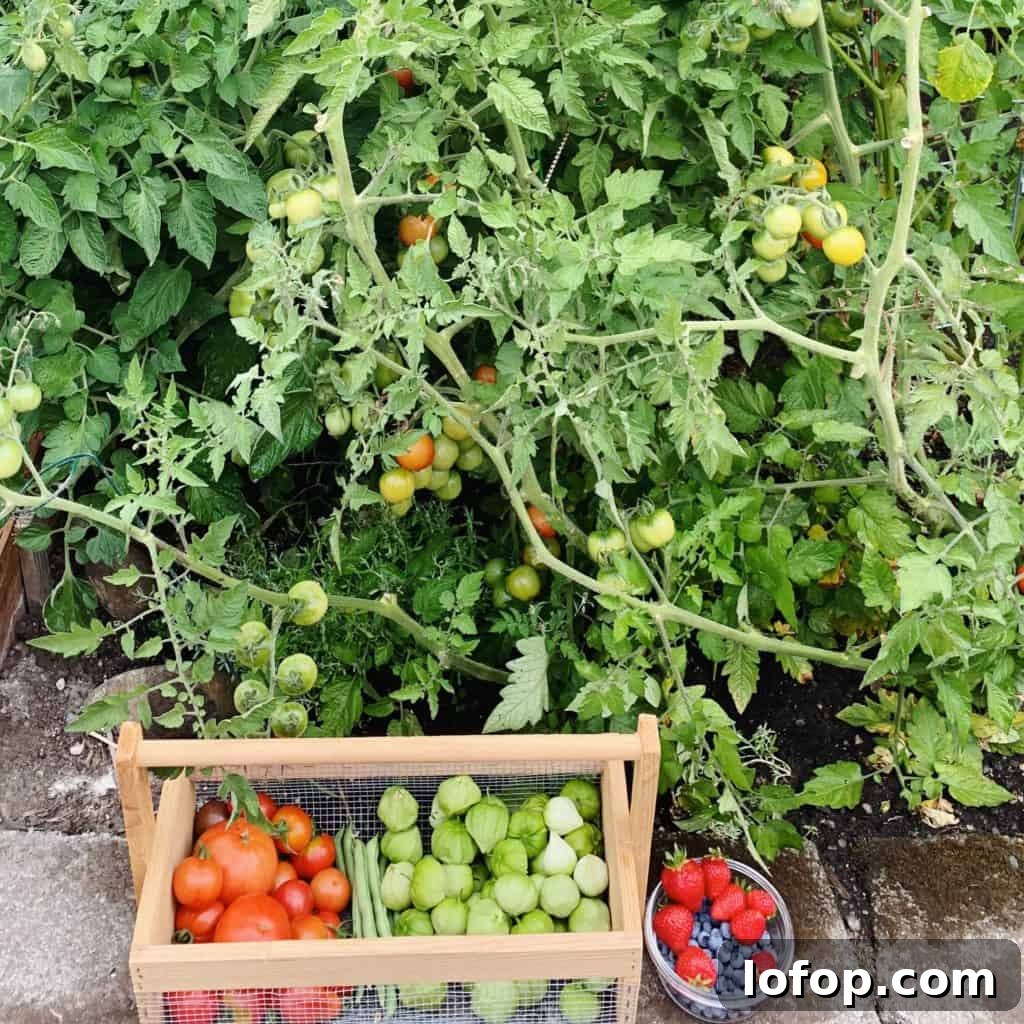
When summer produces are plentiful, grocery trips drop significantly. Rather than making last-minute store runs that often turn into big bills, I walk to the yard and bring home whatever we need for dinner—green beans, zucchini, lettuce, tomatoes, cucumbers, and fresh herbs.
4. Cheaper (in the long run)
Gardening usually requires an initial investment, but over time it pays off. For example, blueberry plants cost about $20 each locally but will yield many pounds of berries each year. Compared to buying berries at retail prices, homegrown plants quickly recover their cost. Once established, seasonal expenses are minimal—seeds, starts, and compost.
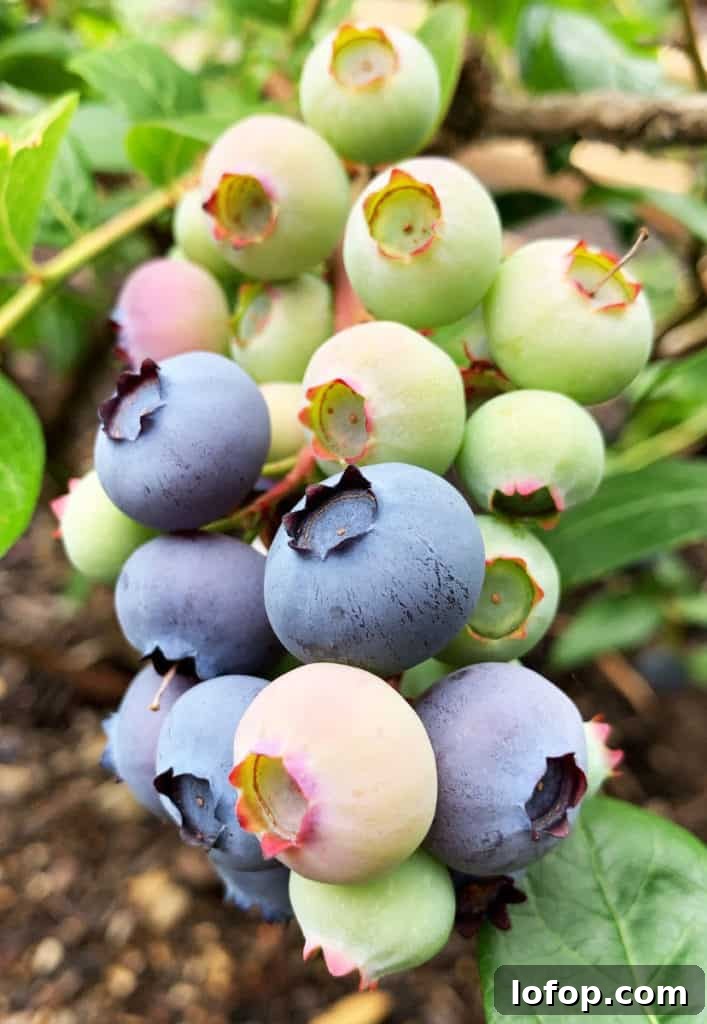
Blueberries freeze well, too, so you get value year-round.
5. One Person Handles Your Food
Store produce passes through many hands; homegrown food is handled by you. That means fewer bumps and bruises and often fresher produce on your table.
6. Preserving Food
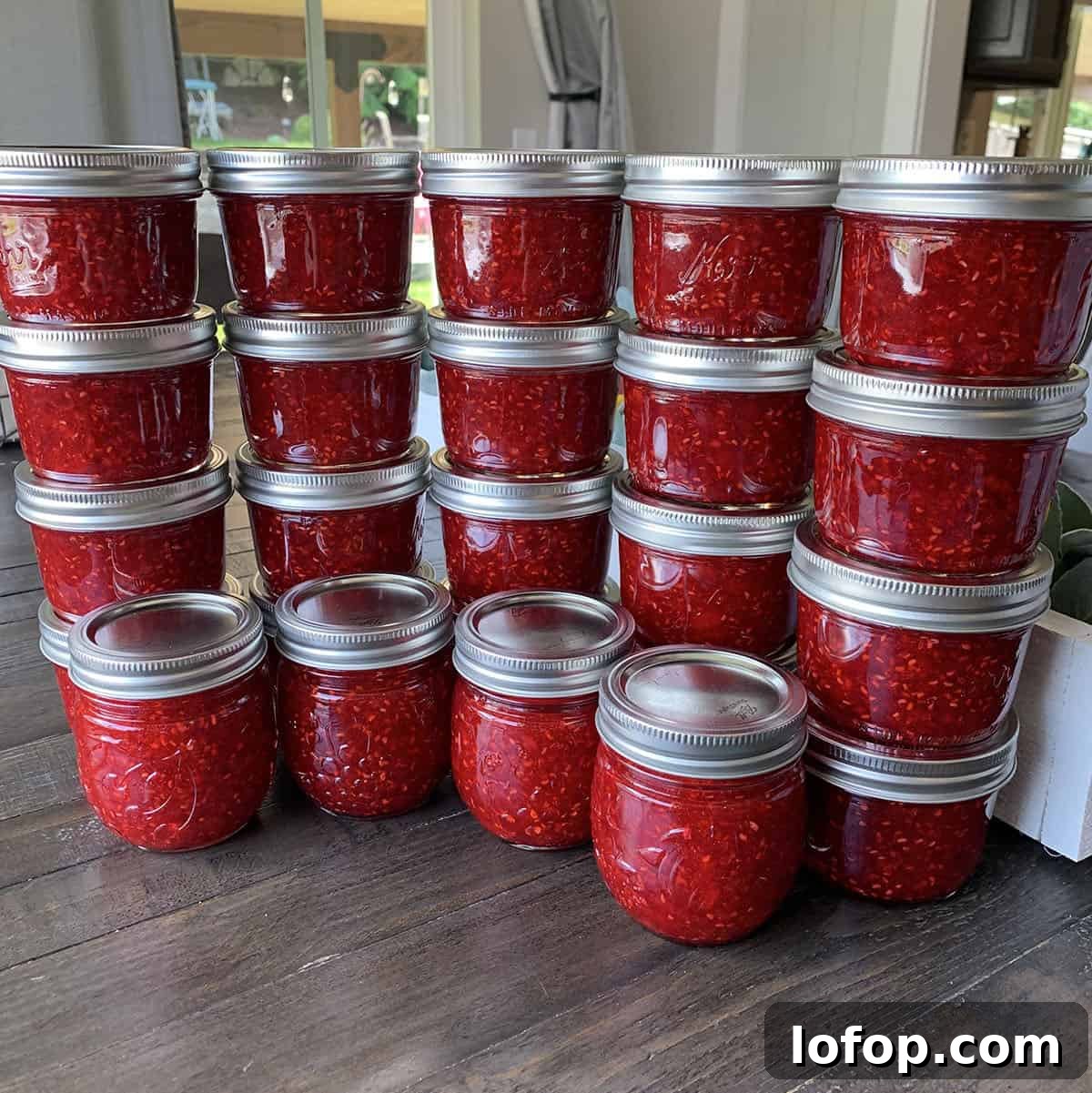
Growing crops you can preserve stretches your harvest further. I freeze blueberries, make jams from berries, pickle cucumbers, and can tomatoes. Preserving is a practical, budget-friendly way to enjoy garden bounty throughout the year.
7. Self-Sufficiency and DIY
There’s a special pride in saying, “It’s from my garden.” Harvesting vegetables and clipping fresh herbs for a meal creates a sense of independence and satisfaction. Gardening fosters practical skills and a mindset of doing things for yourself.
8. Beautify Your Yard
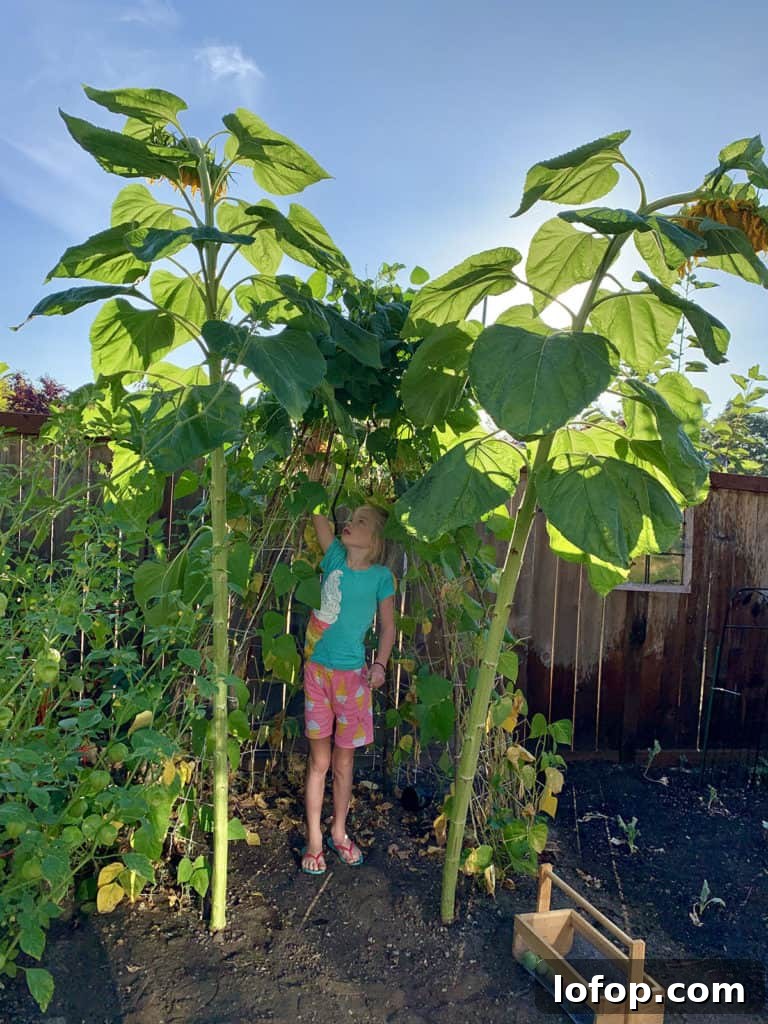
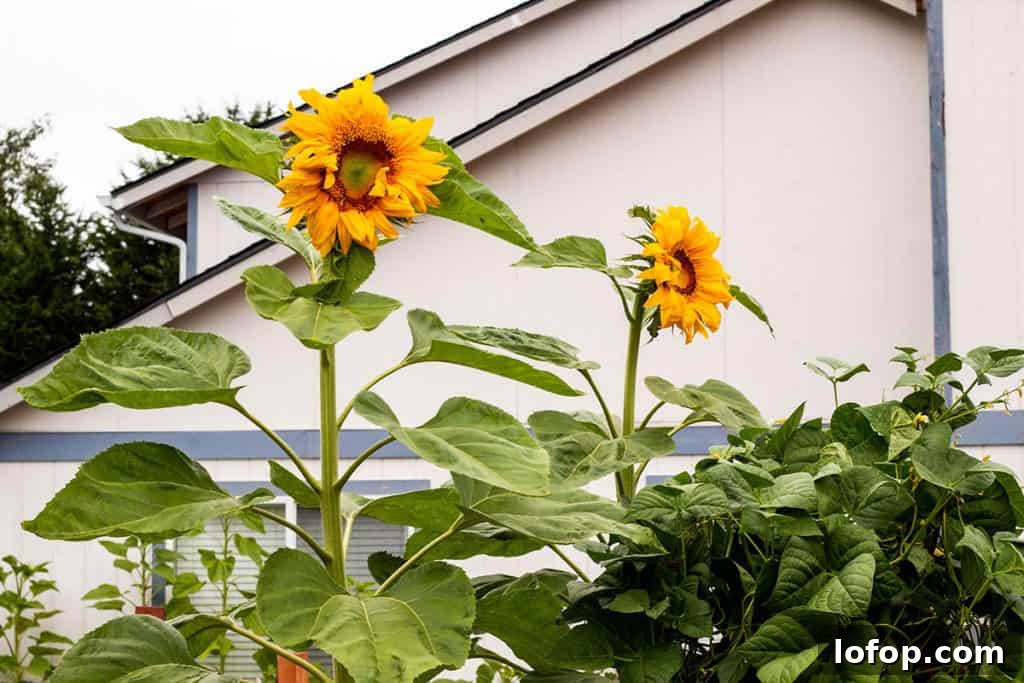
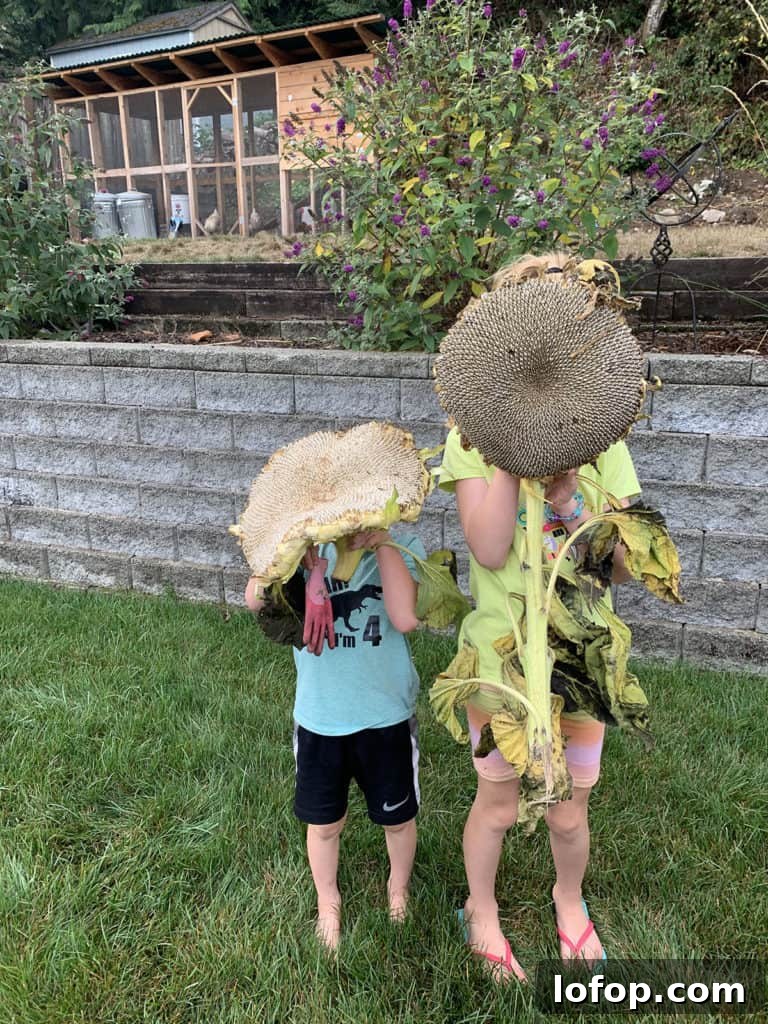
A productive garden can also be a beautiful one. In summer, sunflowers, trellised beans, and flowering fruit add character to outdoor spaces. Neighbors often comment on the cheerful display, and large sunflowers in particular make a big impression.
9. Gets You Outside
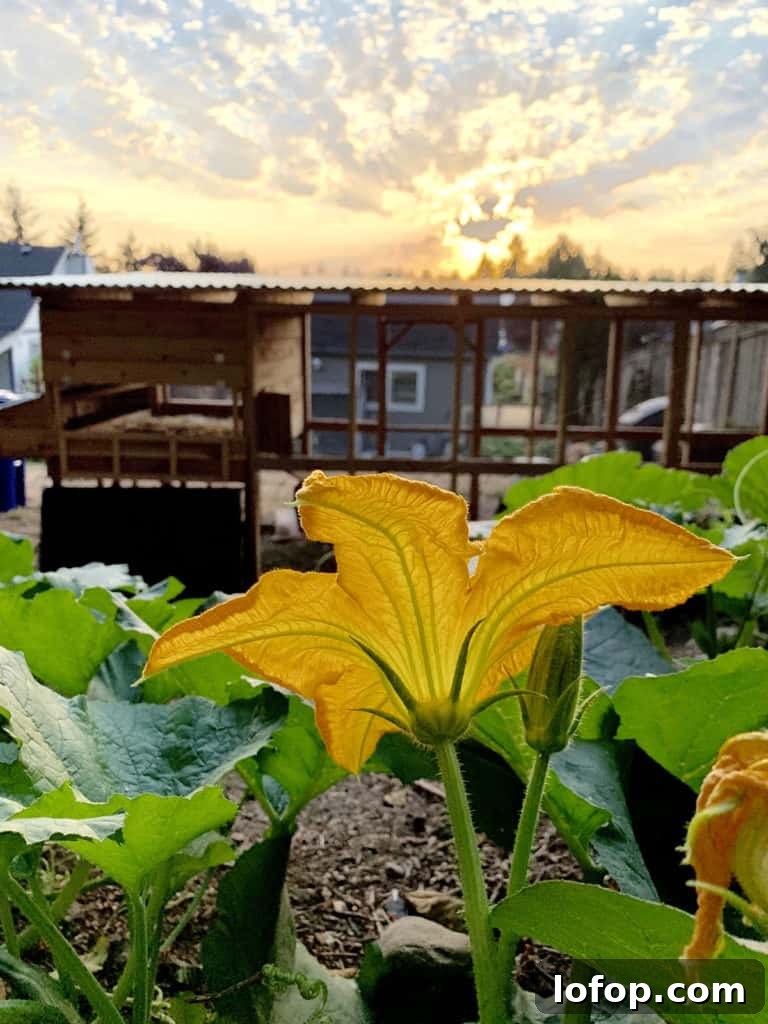
Gardening gets you outdoors daily. Spring is my favorite—preparing beds, sowing seeds, and digging with the kids. In summer, morning garden checks with a coffee and an overflowing harvest basket are simple pleasures. Even a few containers can give you a refreshing outdoor break and help boost vitamin D, especially in cloudier regions.
10. Appreciation for Nature
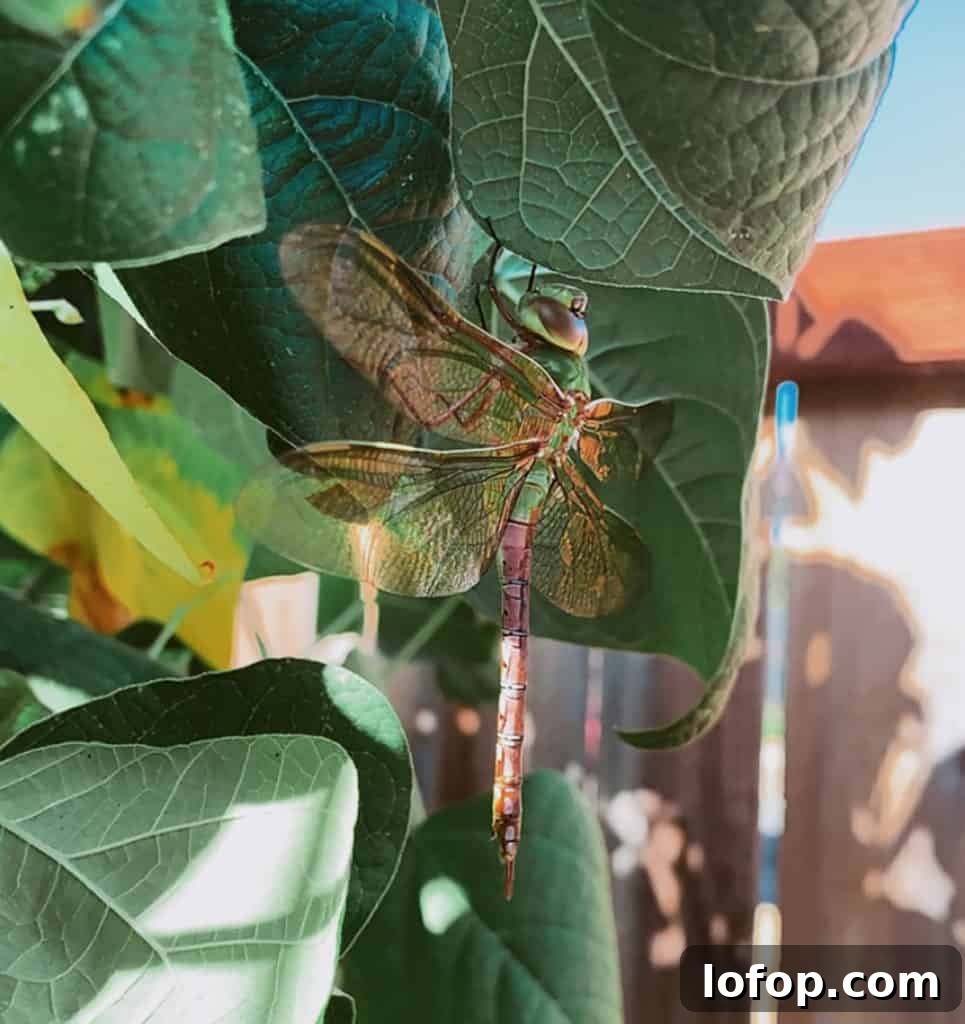
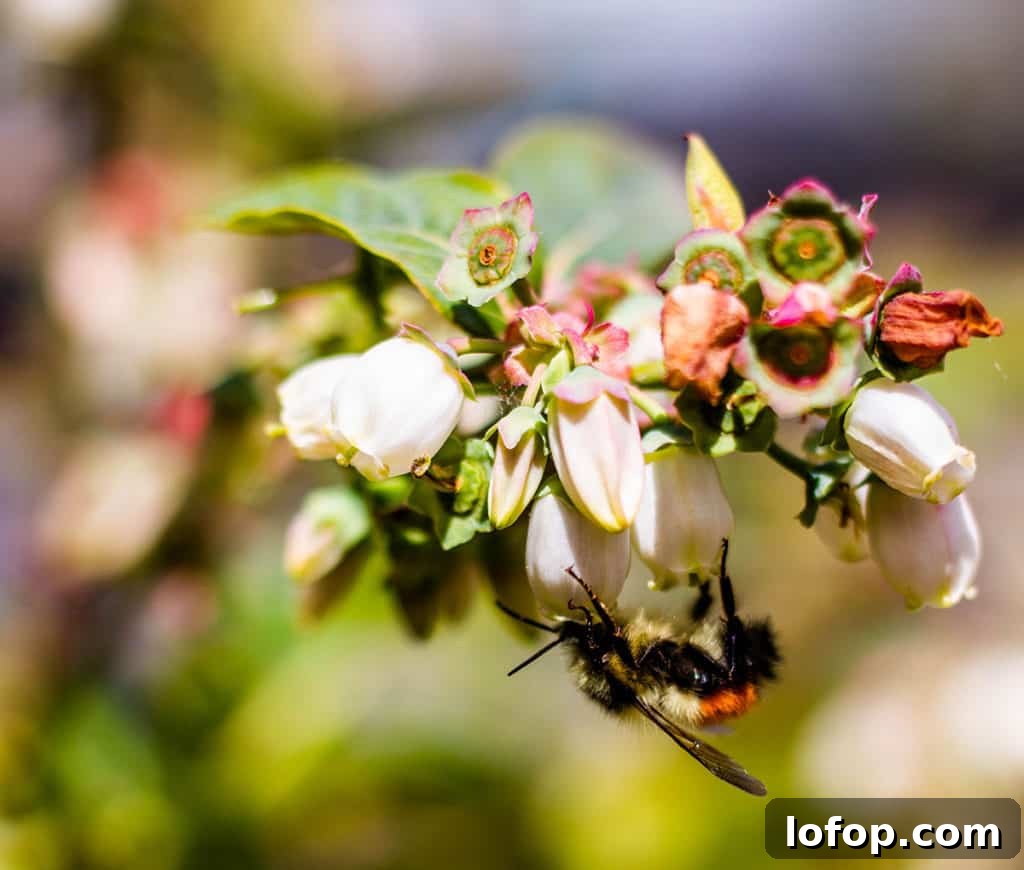
A garden attracts pollinators and wildlife—bees, butterflies, hummingbirds, dragonflies, and more. Observing these creatures teaches children the vital role pollinators play and fosters respect for the natural world.
11. Peace and Mental Benefits
The garden is a peaceful refuge. Time spent tending soil, watering, or harvesting refreshes the spirit and provides a satisfying sense of accomplishment. Even short periods in the garden can be restorative.
12. Learning Opportunities
Gardening teaches children where food comes from—from soil preparation to seed, growth, and harvest. Getting kids involved helps them appreciate the work behind their meals and encourages them to try what they helped grow. Hands-on experience reconnects them with the natural cycle of food production.
13. Fun for Kids
Kids adore digging, finding worms, and playing in the dirt. Give them a bucket, a shovel, and some space, and they’ll create hours of imaginative play. Garden tools sized for children help them feel useful and engaged.
14. Share with Family and Friends
Gardens are easy to share. Fresh produce makes welcome gifts for neighbors and family—mint for cocktails, sunflower heads for school projects, dried lavender for sachets, or homemade salsa. Sharing garden harvests spreads joy and deepens community connections.
Are you in? Have I convinced you to start a garden?
If you’re ready to take the first step—even with a single plant—congratulations. Planting something is a meaningful way to bring fresh food to your family and enjoy the many benefits a garden provides. If you start a garden, I’d love to hear about it and cheer you on.
Ready to start? There are simple guides and projects to help you begin, from building a trellis to selecting seeds. Small actions lead to big rewards.
Already have a garden? Looking for ideas?
Consider building a garden trellis for grapes or other vining plants.
Gardening Books
The Family Garden Plan and The Backyard Homestead are two books that can help plan a sustainable garden and make the most of small spaces.
Resources
Sources for seeds and supplies can make starting easier—look for heirloom and organic seeds, quality soil amendments, and basic tools to get growing.
Pin For Later!