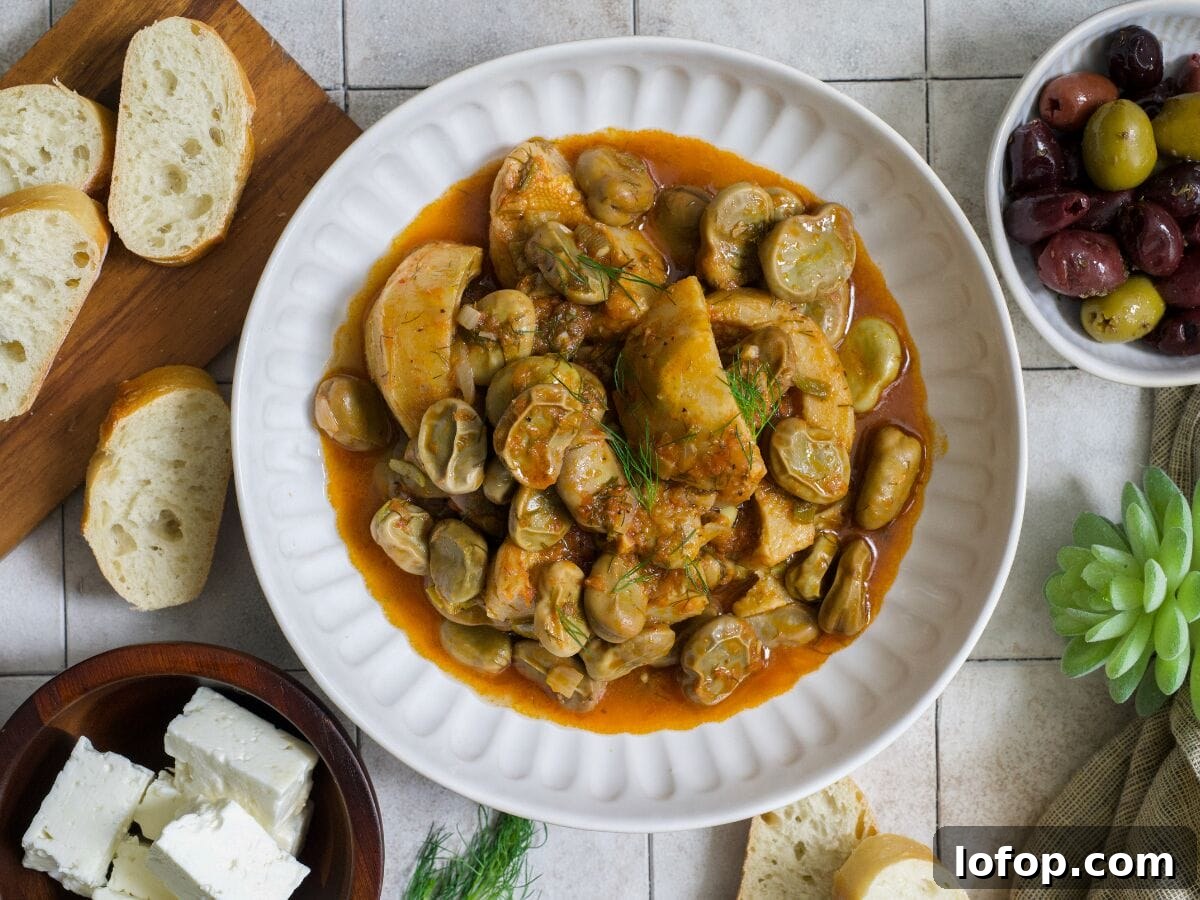
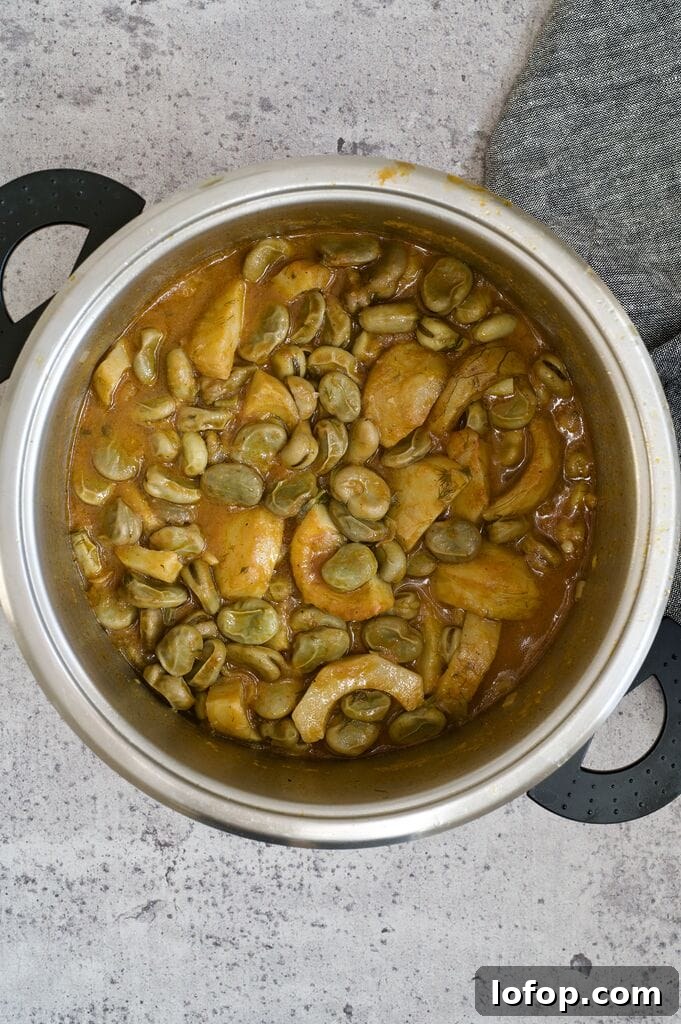
Authentic Greek artichoke and fava bean stew, naturally vegan and comforting. This traditional one-pot dish comes together easily—especially if you use frozen artichoke bottoms and fava (broad) beans—making it a healthy, flavorful weeknight meal.
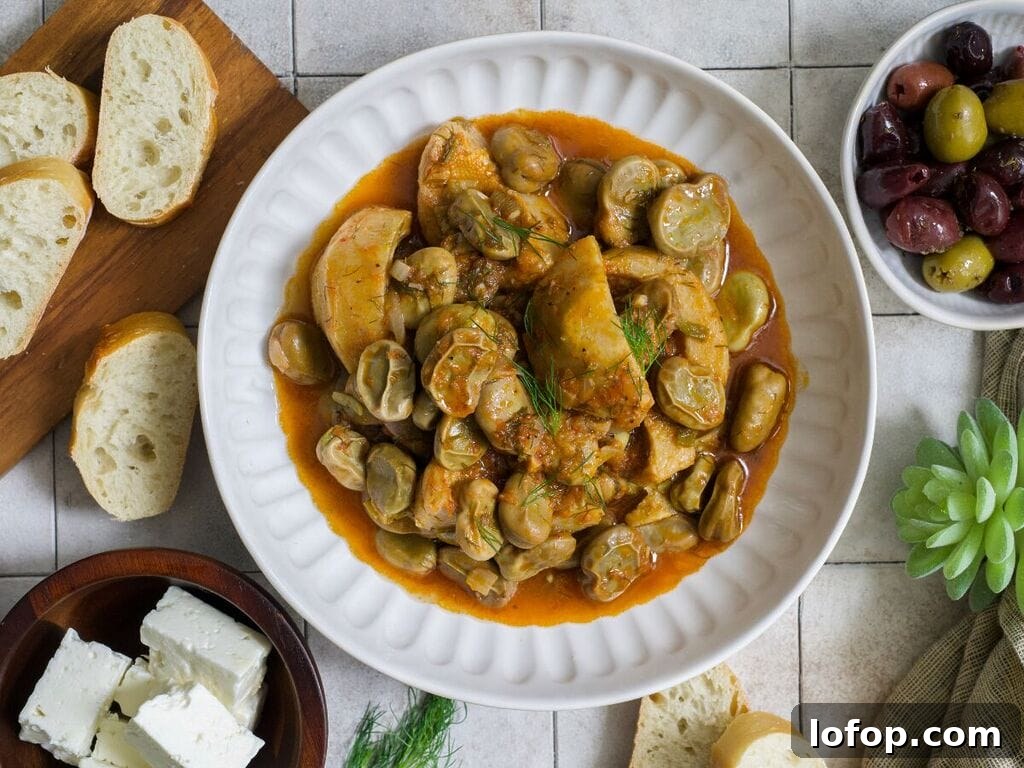
As someone raised in a Greek household, dishes like aginares me koukia were staples. This recipe belongs to a family of Greek dishes called lathera—vegetable-forward recipes cooked generously with olive oil. They are simple, seasonal, and deeply satisfying.
Why I love this recipe
This meal evokes home: modest ingredients, straightforward techniques, and the kind of flavors that feel familiar and nourishing. You start by sautéing onions and aromatics, then let the vegetables simmer together until tender—the aromatic olive oil ties everything together.
It’s ideal during fasting periods because it contains no meat, fish, eggs, or dairy. It’s also nutritious and filling on its own. Leftovers keep well and make convenient lunches—prepare a large batch, portion it into containers, and you have healthy meals ready to go for days.
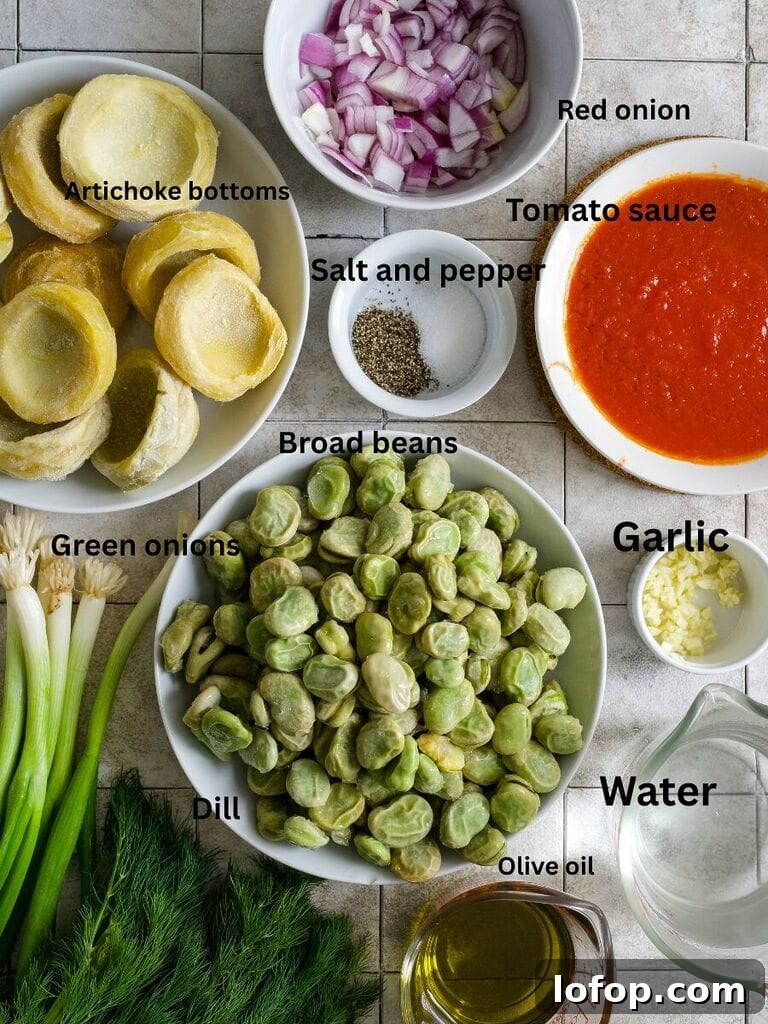
Key ingredients
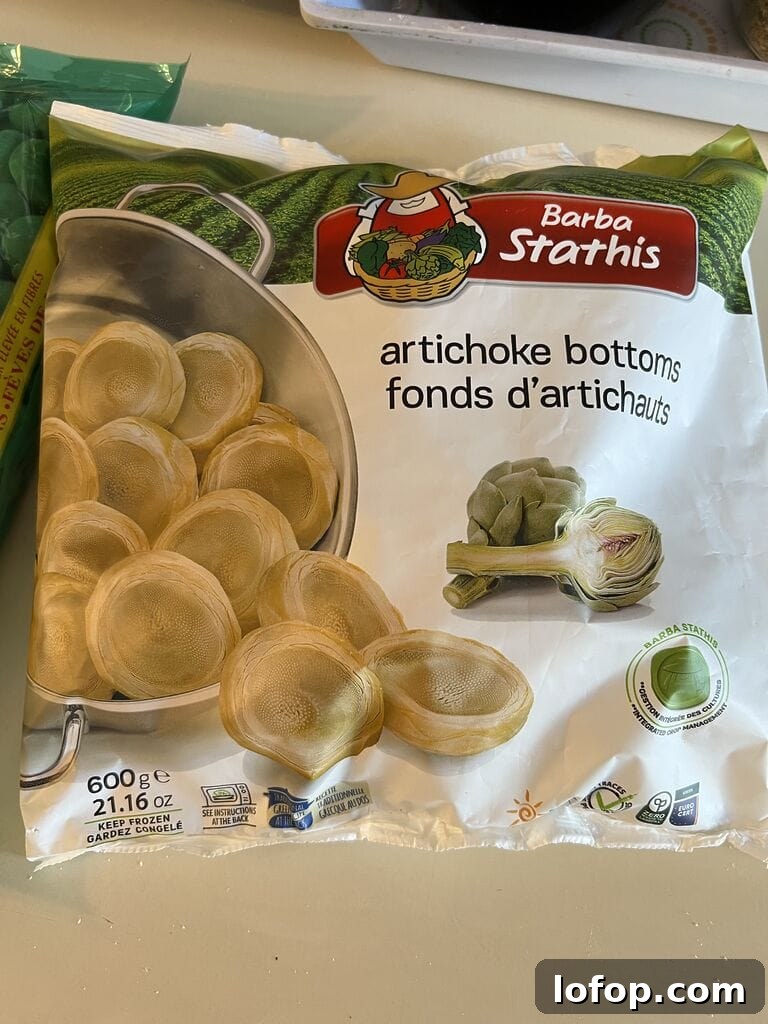
Artichoke bottoms: Fresh artichokes are delightful when in season, but frozen artichoke bottoms are a convenient and excellent substitute. Frozen is faster and available year-round.
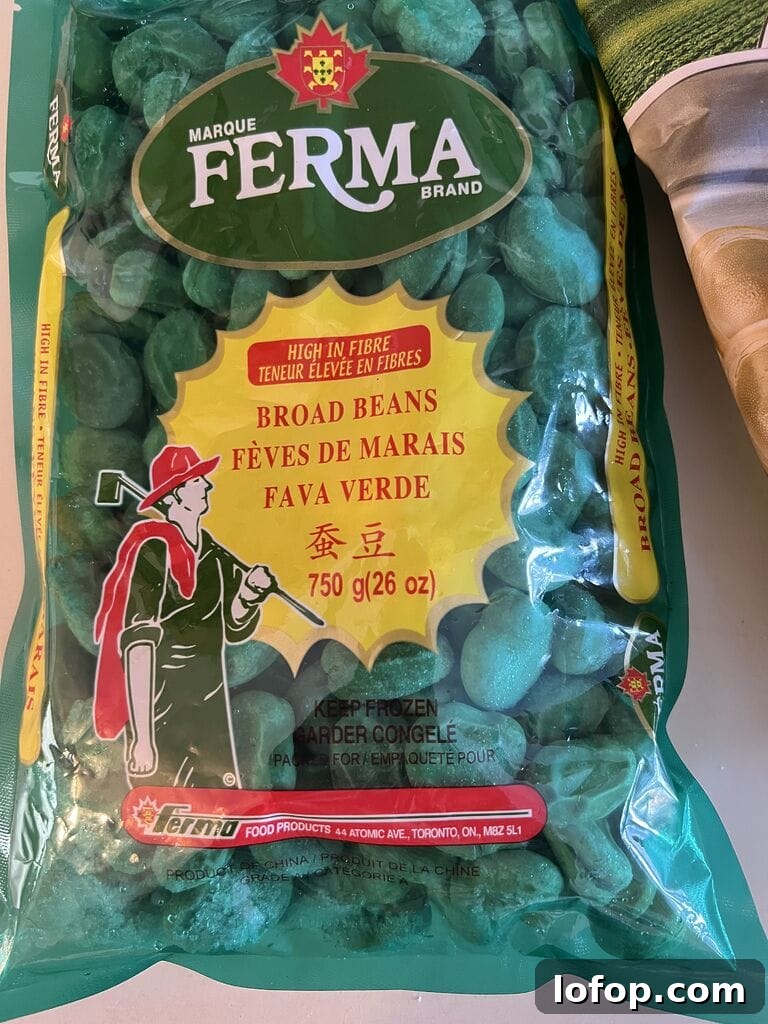
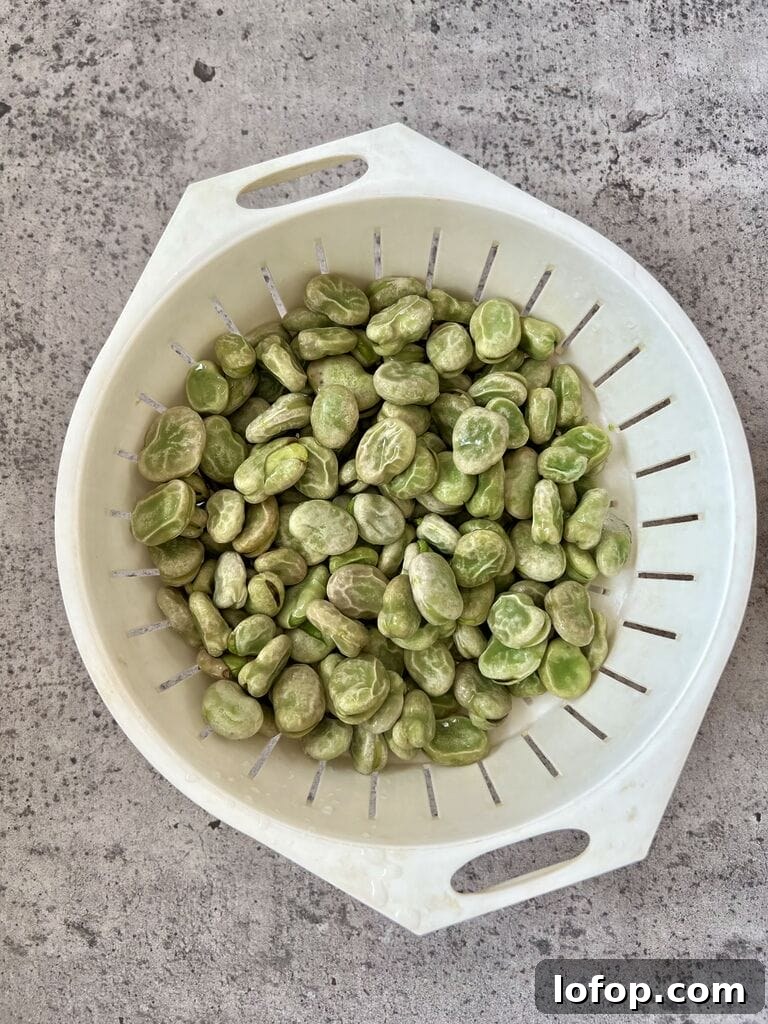
Fava beans (broad beans): Frozen fava beans are easy to source and store; fresh beans can be used if you prefer, but they require extra prep (see tips below).
Olive oil: A good extra-virgin olive oil gives the dish its classic Mediterranean aroma and richness.
Red onion: Mild and sweet when sautéed, red onion caramelizes nicely and forms a flavorful base.
Green onions (scallions): Add a fresh, bright oniony note—use both white and green parts.
Dill: In Greek cooking dill (anitho) pairs beautifully with vegetables and adds a fragrant herbaceousness.
Garlic: A little minced garlic boosts savory depth.
Tomato sauce: A simple tomato sauce or passata provides acidity and body. Homemade sauce is lovely if you have it, but a quality store-bought passata works well.
Salt & pepper: Keep seasonings simple and adjust to taste.
How to make this healthy stew
This traditional Greek stew is made in one pot with minimal fuss.
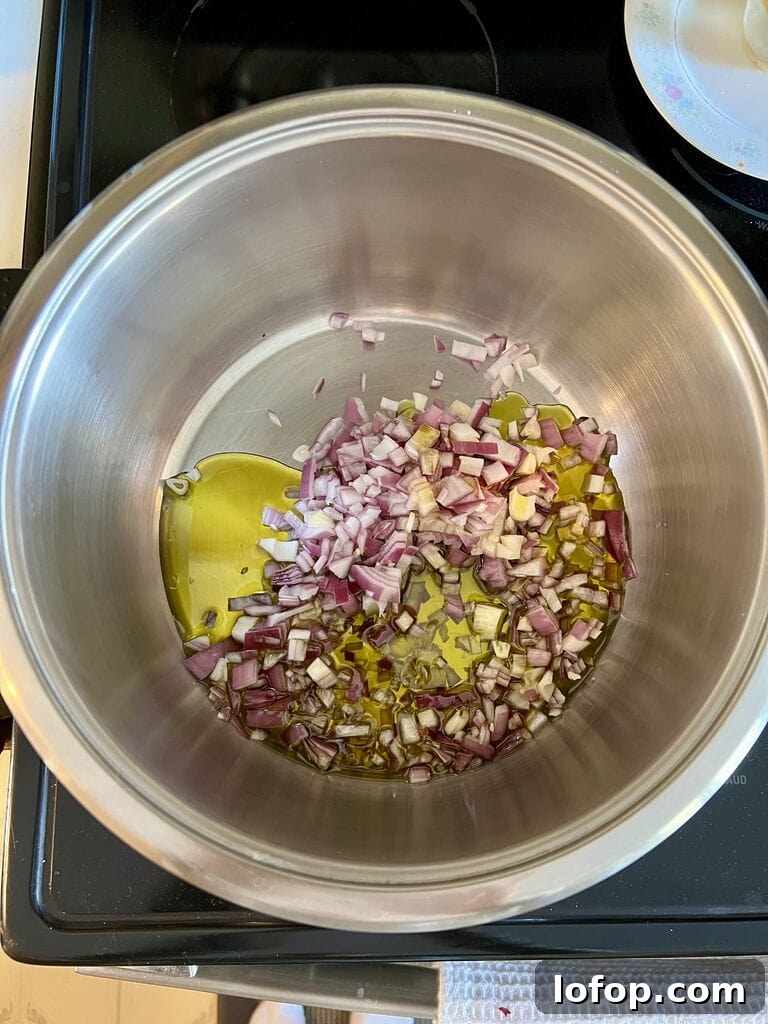
Step 1
Heat the olive oil in a large pot. Add the chopped red onion and sauté over medium heat for about 5 minutes, stirring often, until softened. Add the chopped green onions and minced garlic, and sauté for another 1–2 minutes until fragrant.
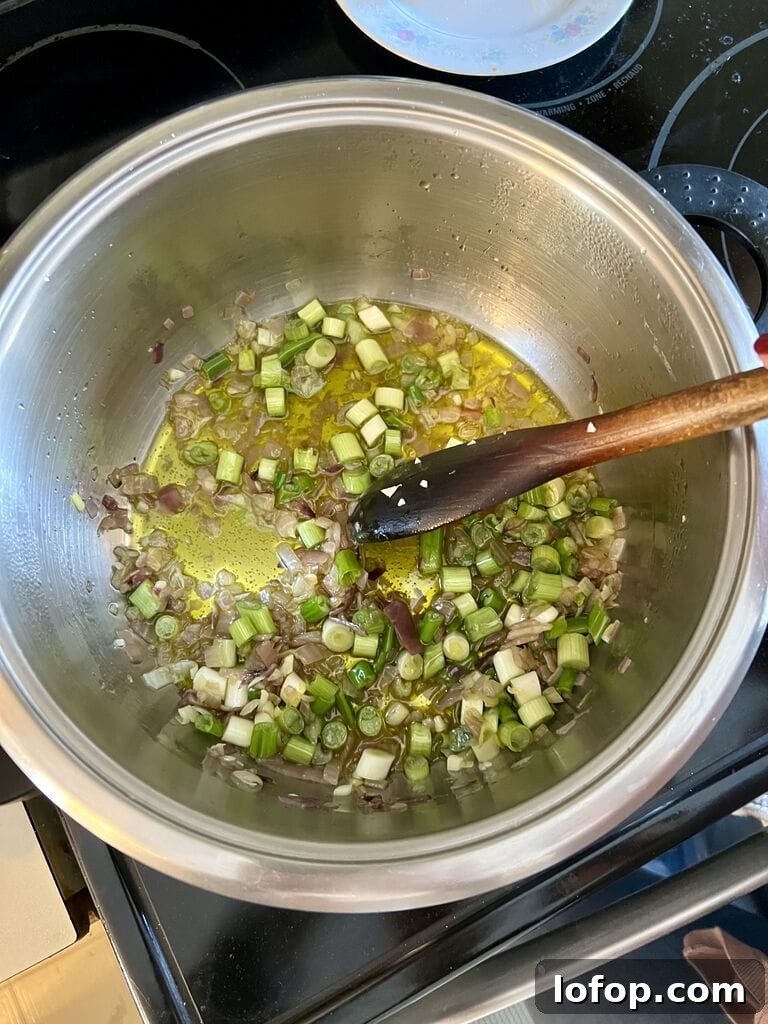
Step 2
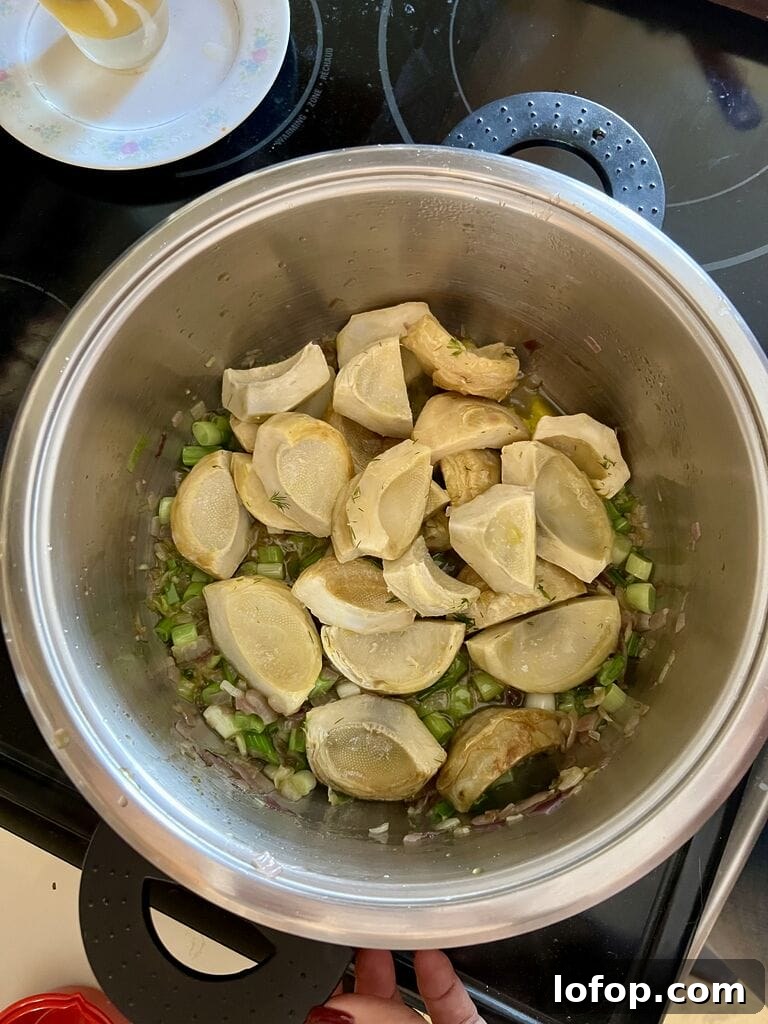
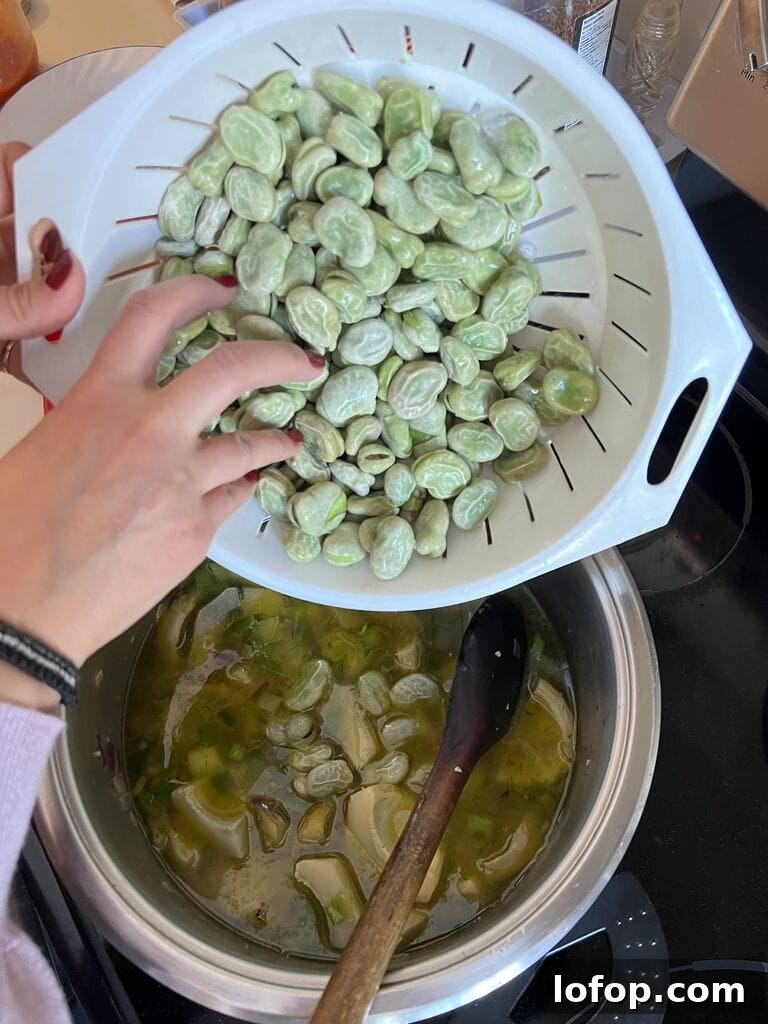
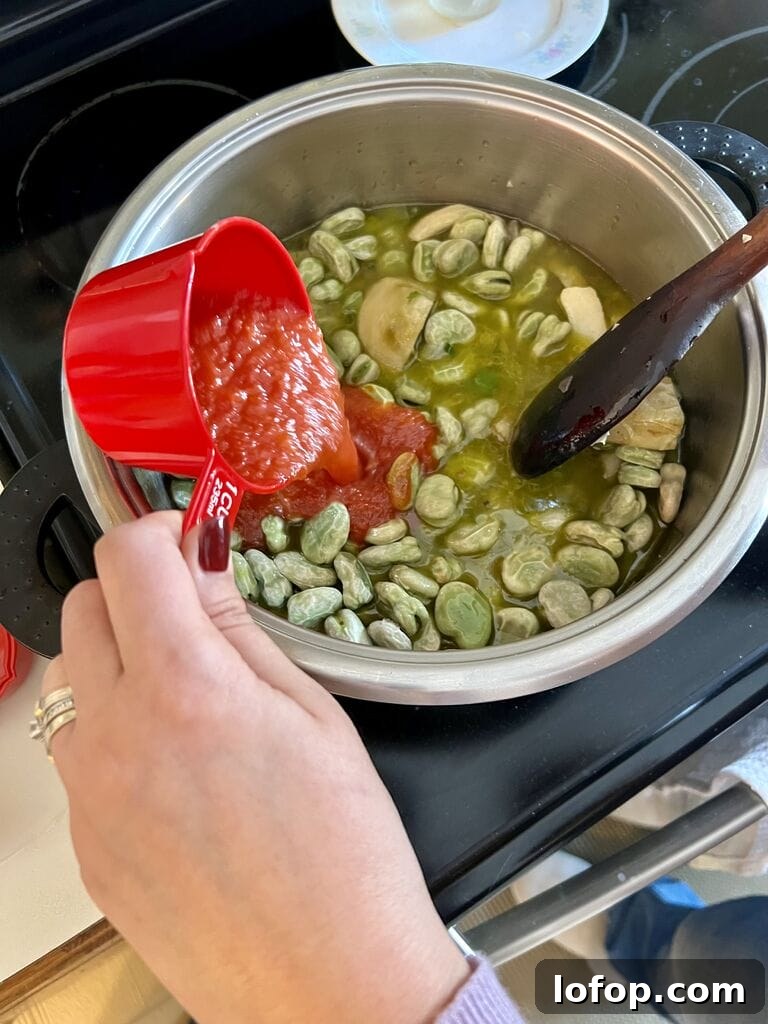
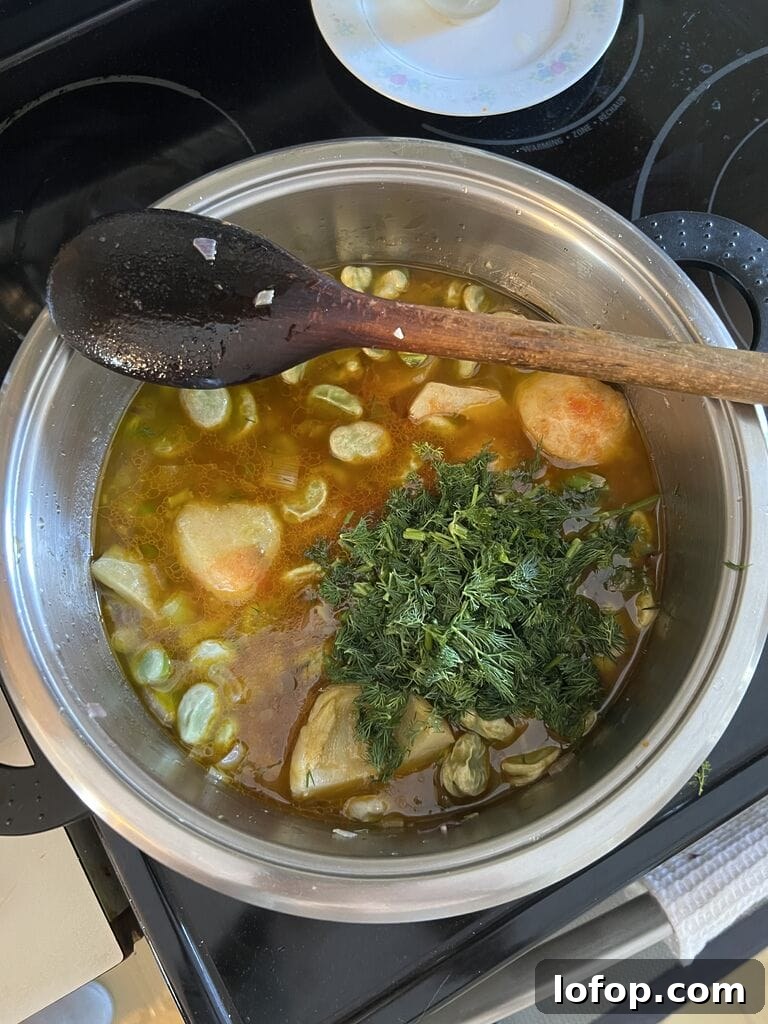
Add the tomato sauce, boiled water, artichoke bottoms, fava beans, chopped dill, salt and pepper to the pot. Bring to a boil, then reduce heat to medium-low, cover, and simmer until the artichokes and beans are tender—about 50–60 minutes. Taste and adjust seasoning before serving.
Recipe substitutions
Swap fava beans for another broad bean or large runner beans. You can use yellow onion instead of red, and parsley works well in place of dill if you prefer.
Cooking tips
Frozen ingredients for the win!
Frozen artichoke bottoms and frozen fava beans save time and eliminate prep work. They are reliable, readily available, and keep this dish practical for busy nights.
Preparing fresh fava beans
If you use fresh fava beans, remove them from their pods and then peel off the fibrous skin that surrounds each bean before cooking. Frozen beans are usually already skinned.
Cooking time
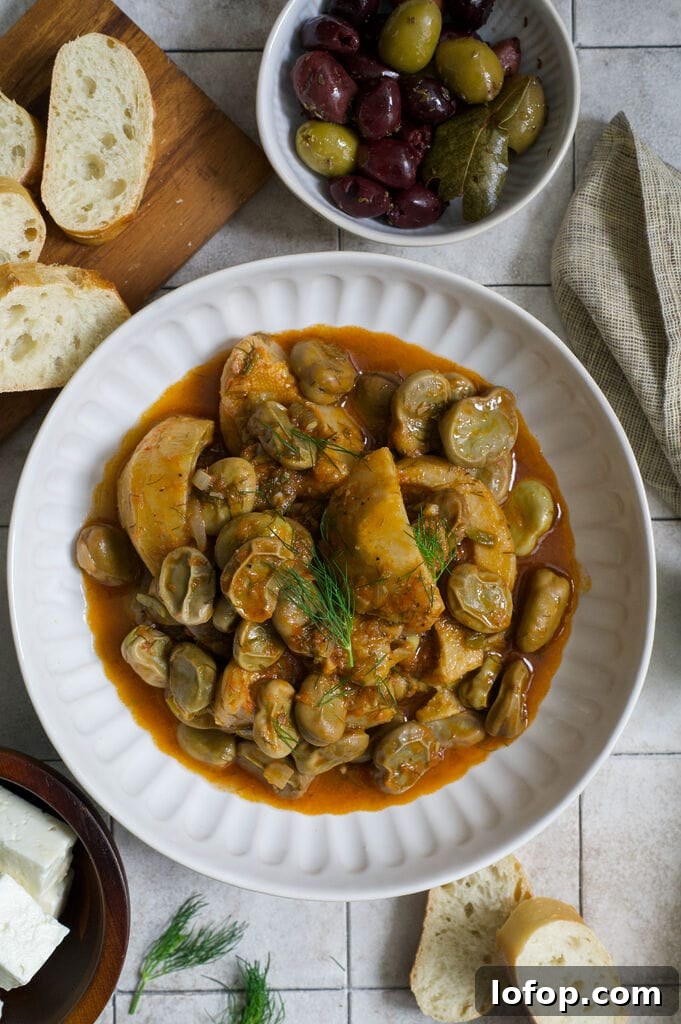
While some recipes suggest a 30-minute cook time, I prefer simmering this stew for 50–60 minutes so the artichokes and fava beans become thoroughly tender and the flavors meld. Check at 30 minutes and continue if you prefer a softer texture.
Recipe variations
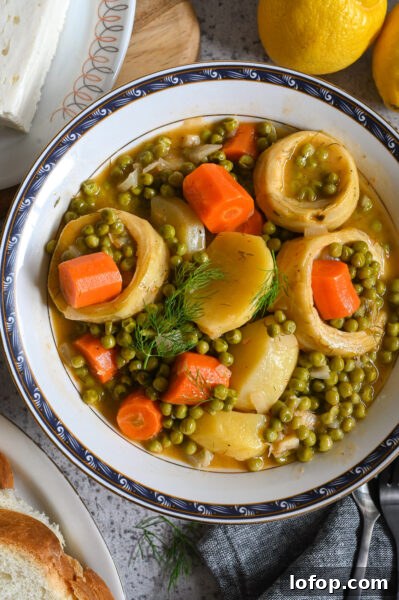
Greek cuisine features many artichoke stews. For a different take, swap the fava beans for peas and potatoes to make aginares à la polita. For a richer version, stir in avgolemono (egg-lemon) sauce at the end to create a creamy artichoke-and-pea dish.
Frequently asked questions
Where can I buy fava beans?
Fresh fava beans appear in season at supermarkets and farmers markets during summer, but require prep. Most well-stocked supermarkets and Mediterranean markets carry frozen fava beans in the freezer aisle, ready to use.
Is it better to use fresh or frozen artichokes?
Both have benefits. Fresh artichokes are rewarding to prepare and can be wonderful in season, but they require time and care. Frozen artichoke bottoms are convenient, affordable, and usually prepped for cooking—perfect for everyday meals.
How to serve
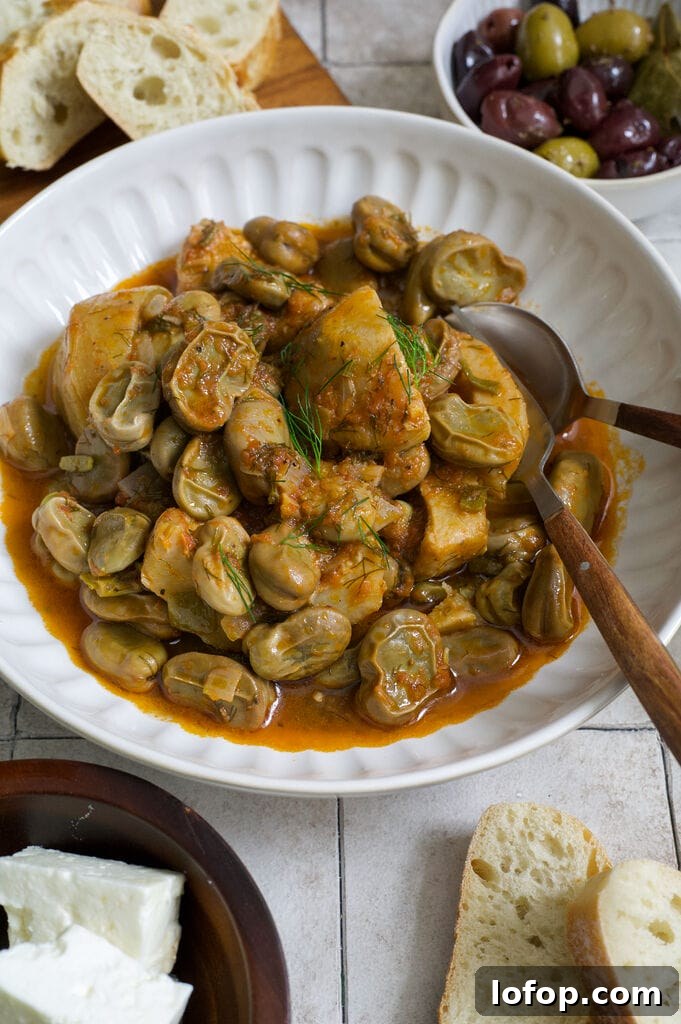
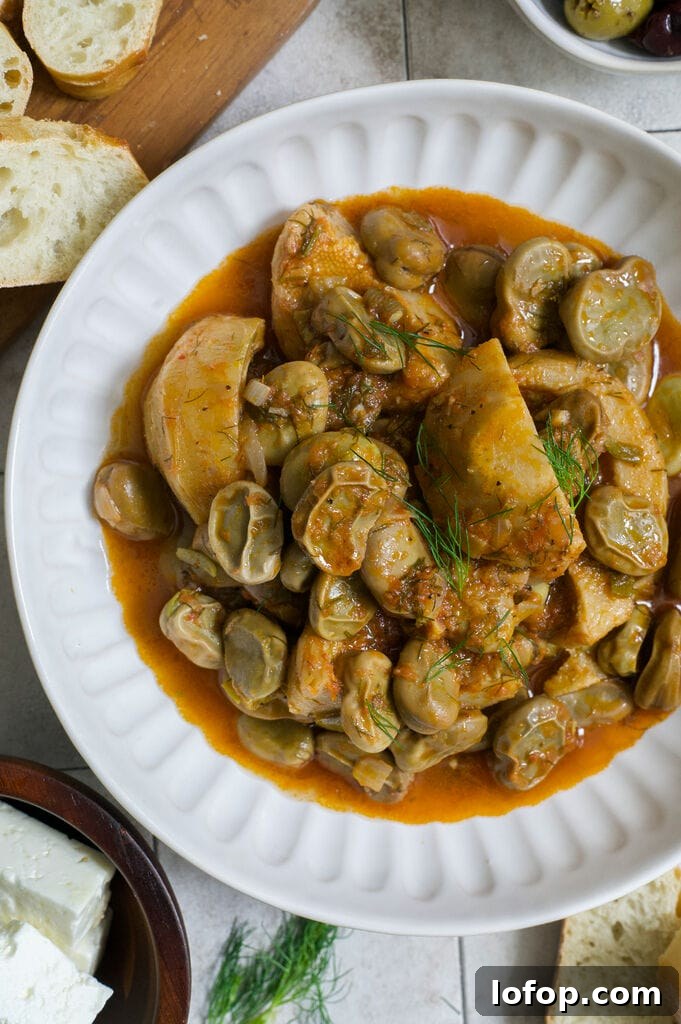
Aginares me koukia is satisfying on its own as a main course. Serve it with a crusty loaf of bread, a few olives, and a simple salad. It’s especially fitting during Lent or any meatless menu. A glass of Greek wine complements the meal nicely.
Related recipes
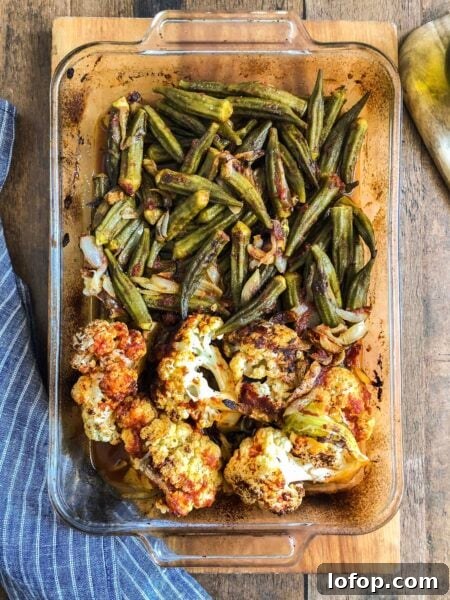
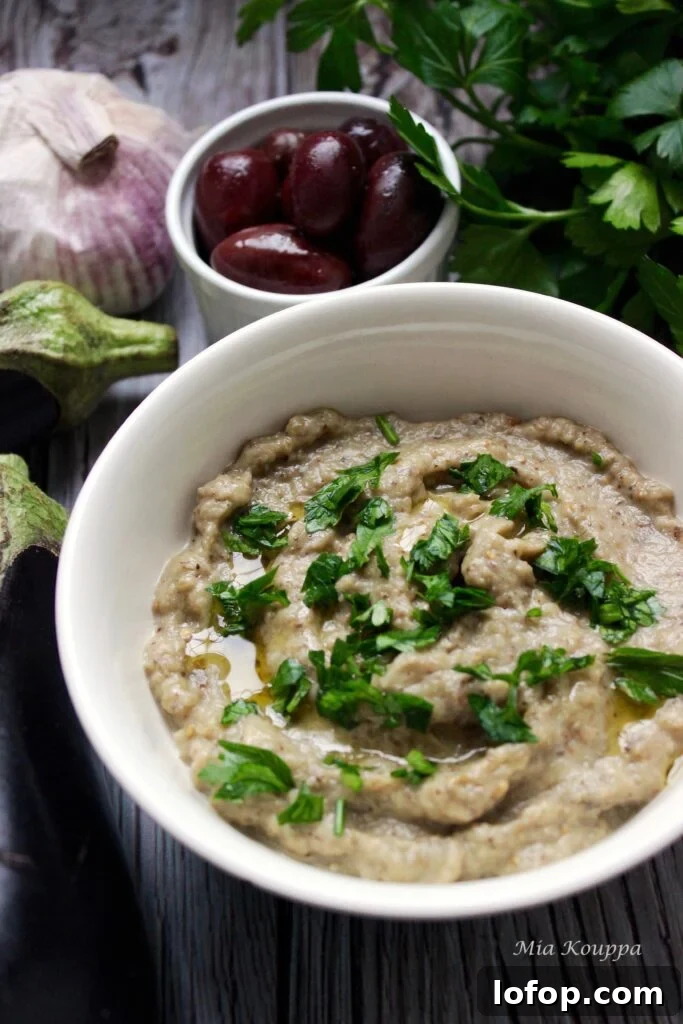
If you enjoy this stew, explore other authentic Greek vegetable dishes such as aginares à la polita (artichokes with peas, carrots and potatoes), okra with cauliflower, classic melitzanosalata (eggplant dip), or artichokes and peas finished with avgolemono sauce.

Subscribe to our newsletter!
I would love to hear from you! Please take a moment to rate this recipe and leave a comment. Thanks so much 🙂
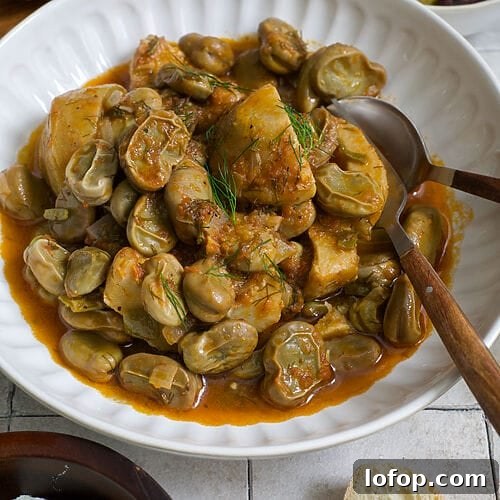
Greek artichokes with fava beans (Aginares me koukia)
Print
Pin
Rate
Equipment
-
large sauce pot
Ingredients
- 1 cup red onion, chopped
- ½ cup olive oil
- ½ cup green onions, chopped use the white and green part
- ½ cup dill, chopped
- ½ tbsp garlic, minced
- 1¼ cup tomato sauce or tomato passata
- 3 cups water, boiled
- 600 grams artichoke bottoms, halved preferably frozen
- 750 grams fava beans or broad beans preferably frozen
- ½ tbsp salt
- 1 tsp pepper
Instructions
-
Add the oil to a large pot and add the red onion. Saute over medium heat for approximately 5 minutes, stirring regularly, until the onion is softened. Next add the green onion and garlic. Stir and saute for about 1–2 minutes.
-
Add the tomato sauce, boiled water, artichoke bottoms, fava beans, dill, salt and pepper. Bring to a boil, then reduce to medium-low, cover and simmer for 50–60 minutes, or until the vegetables are tender. Adjust seasoning to taste.
Notes
We recommend simmering on medium-low heat for 50–60 minutes for a fully tender texture. Check at 30 minutes if you prefer firmer vegetables.