Timeless interior design is an enduring aesthetic many homeowners aspire to, and with a few clear principles you can achieve it in your own house. This style emphasizes quality, restraint, and details that stand the test of time.
As a luxury interior designer focused on creating spaces that transcend fleeting trends, I draw on history, millwork, classic palettes, and refined detailing to elevate everyday rooms. Antiques and vintage furnishings, meaningful artwork, and handwoven textiles are often the key elements that give a space soul and continuity.
Over the past decade my work evolved from following trends to seeking lasting beauty. Where I once scrolled social media for the newest looks, I now travel to historic homes and meet generational artisans to collect inspiration and pieces with provenance. I’ll share the insights I’ve learned so you can build a cohesive, timeless home that fits your life and tastes.
Designing a home is personal: it requires understanding your preferences and investing time and money into a thoughtful plan. Many people struggle with cohesion, but a few core principles can simplify the process. In this article I’ll outline those guiding concepts and offer practical advice so you can design with confidence.
If you’re drawn to a “Traditional” style, you likely appreciate classic forms, rich textures, and a curated collection of vintage items passed down or discovered on travels. Traditional interiors celebrate craftsmanship, pattern, and layered details that create warmth and quiet luxury.
Read on to learn how to create a traditional look in your home, including paint palettes commonly used by designers, inspirational search terms, and tips for mixing old and new.
Defining Your Style: Traditional Elegance
How can you tell if traditional style matches your personality?
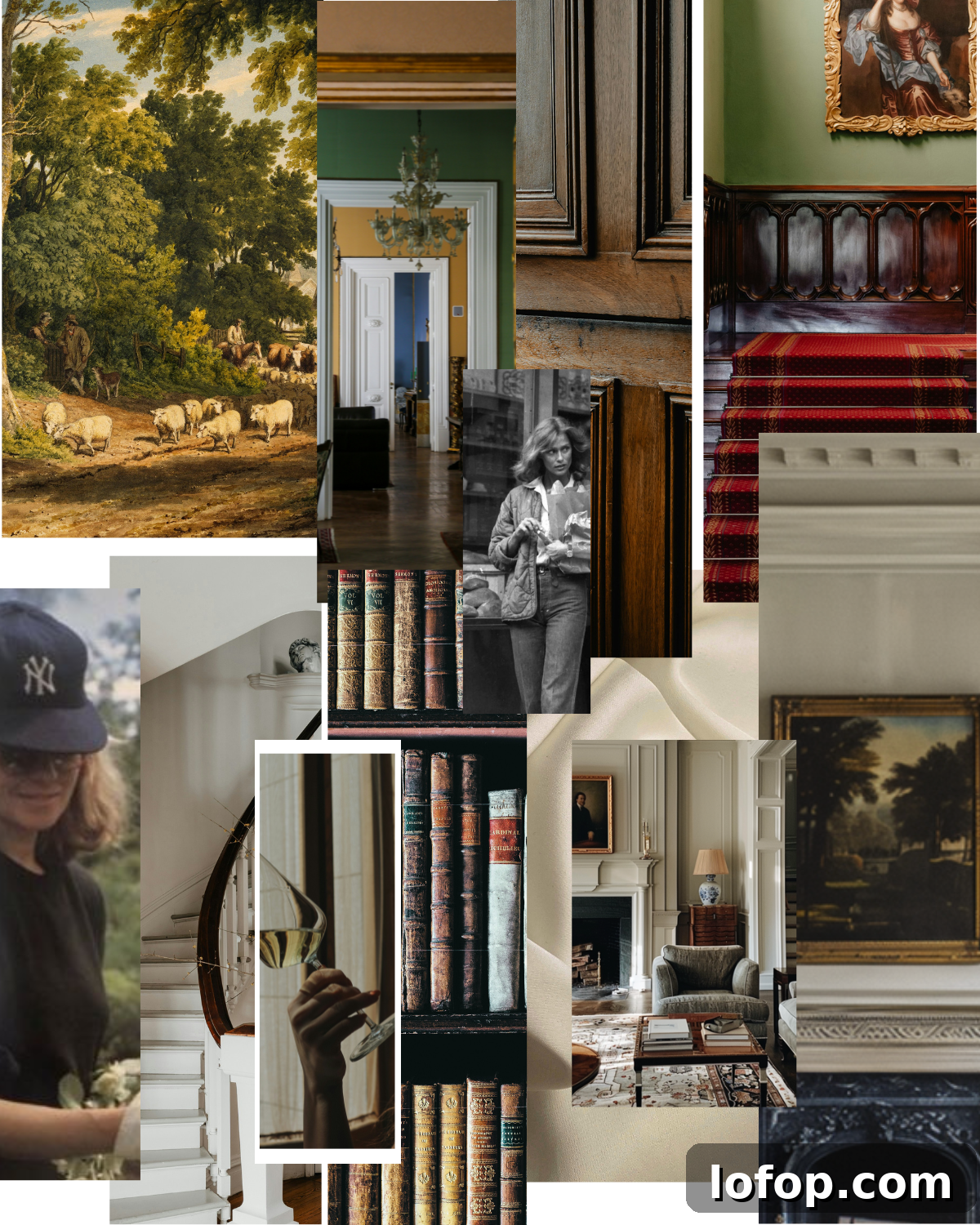
If traditional design appeals to you, you likely value enduring craftsmanship, classic brands and references, recipes and heirlooms that connect you to the past, and interiors that feel gracious and intentional. Think of the intersection of Ralph Lauren’s refined sensibility and the calm hospitality of a luxury hotel: a balance of comfort, tailored proportions, and quietly luxurious details.
Your home should reflect a love of heritage color, heirloom furniture, and carefully selected vintage finds from estate sales, auctions, or travel. These items tell stories and anchor a room in time.
Seeking Inspiration: Classic Foundations
When gathering inspiration online, choose search terms that lead you to timeless interiors: “Ralph Lauren interior style,” “traditional aesthetic interior design,” “timeless interiors,” and “southern interiors.” These keywords often surface rooms rich in millwork, vintage furniture, and layered textiles.
One of the fundamentals of traditional design is filling your home with objects that reveal a history of craft and care. Look for furniture with honest construction, patinaed metals, and textiles with age or traditional patterns.
If you enjoy a touch of modernity, explore “transitional interior design,” which blends traditional and contemporary elements. Transitional interiors bridge periods by pairing classic silhouettes with cleaner lines and up-to-date finishes—creating spaces that feel both rooted and current.
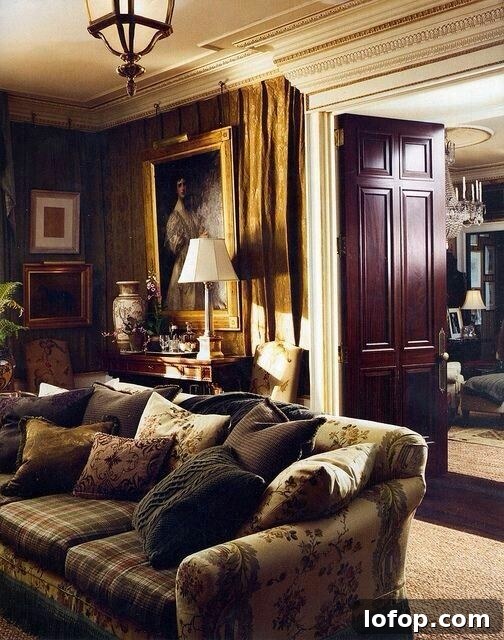
Image via Pinterest
Crafting a Classic Palette
The color palette in a traditional interior acts as a backdrop for your collection. Saturated, heritage hues—navy, forest green, deep burgundy—create warmth and sophistication and allow wood tones, gilt, and aged leathers to sing.
Dark walls can make libraries, entryways, and dens feel intimate and dramatic while providing contrast for vintage mirrors, artwork, and textiles. Conversely, warm base whites and soft creams create a refined, versatile canvas throughout the rest of the home.
Designer tip: combine vintage, found, and handmade pieces to add depth. A hand-carved stool, an artisan rug, or a bespoke curtain can introduce texture and a sense of provenance that factory-made items rarely achieve.
Discover your design style with a quick quiz and receive a suggested white paint to complement your aesthetic in under two minutes.
The Power of Paint: A Tailored Approach
Paint plays a pivotal role in traditional interiors. Choose a warm base white with subtle undertones for trim and millwork to convey timelessness and to coordinate with an evolving collection of furnishings.
Heritage colors and classic neutrals form the backbone of traditional rooms. Some tried-and-true paint choices favored by many designers include:
- Flint by Benjamin Moore
- Tanner’s Brown by Farrow & Ball
- Country Tweed by Sherwin-Williams
- Old White by Farrow & Ball
Complement these colors with textured fabrics and patterns from longstanding textile houses. Schumacher, Colefax & Fowler, and Chelsea Textiles offer patterns and weaves that feel authentic and elegantly restrained—often with a British sensibility.
Layering is essential in traditional design. Treat each antique or heirloom as a puzzle piece in a larger composition: pair upholstery with period-appropriate trim, add a patterned silk or wool pillow, and anchor groupings with meaningful artwork and books.
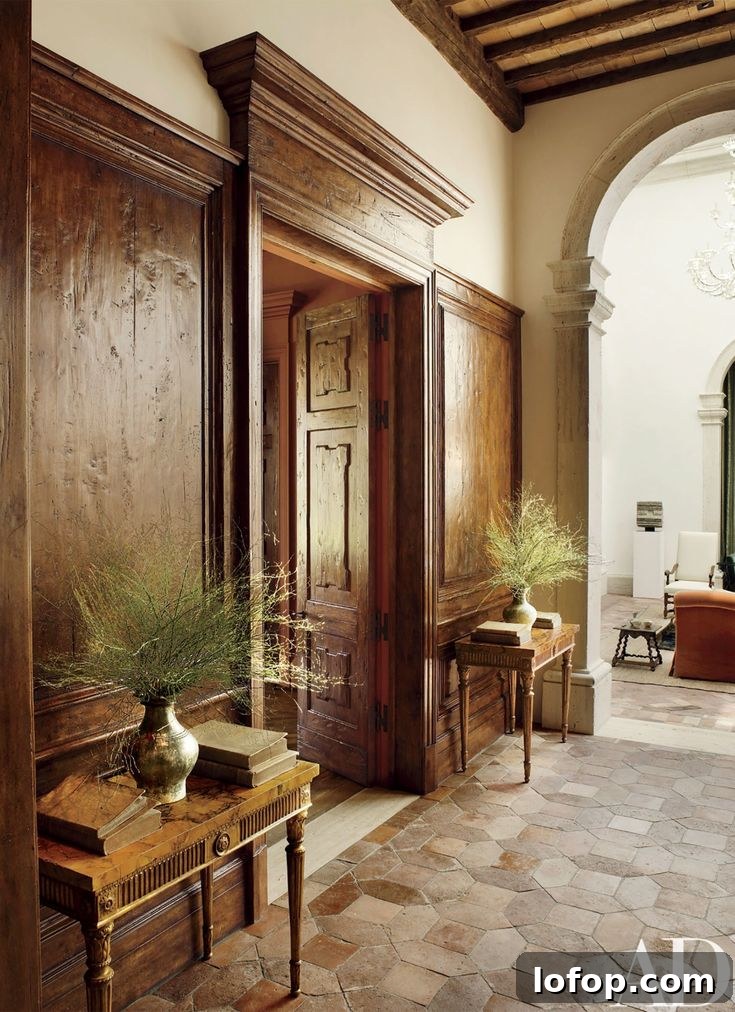
Image via Architectural Digest
Timeless Bedroom Inspiration
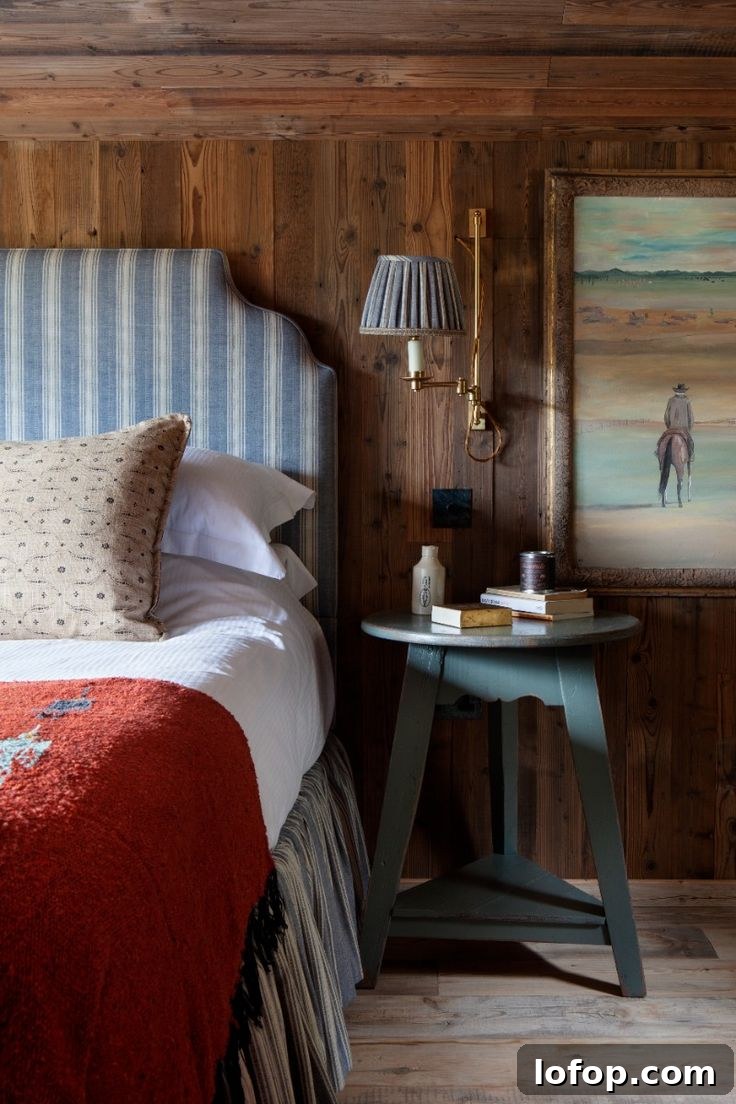
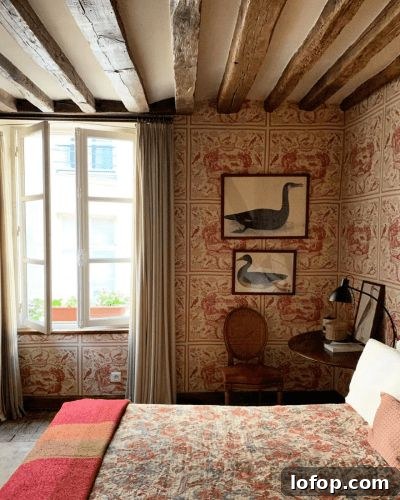
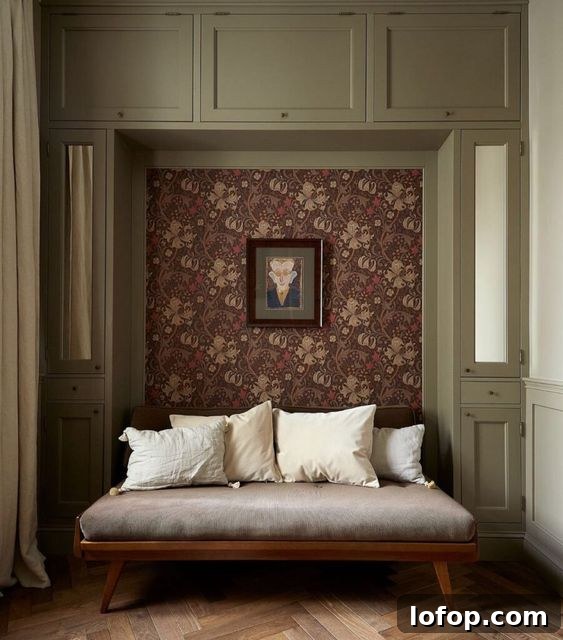
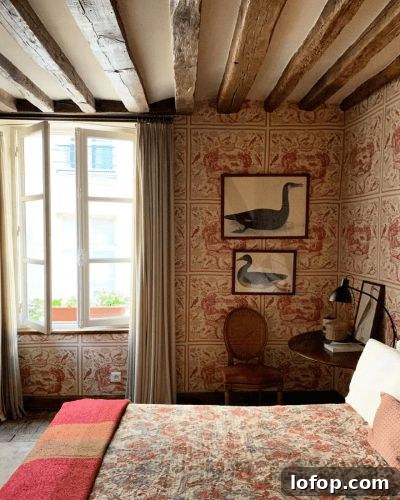
Studio Ham | The 15th C House in Paris (you can even stay there)! | Design by Colombe Studio. Photograph by Kasia Gatkowska
Timeless Living Room Inspiration
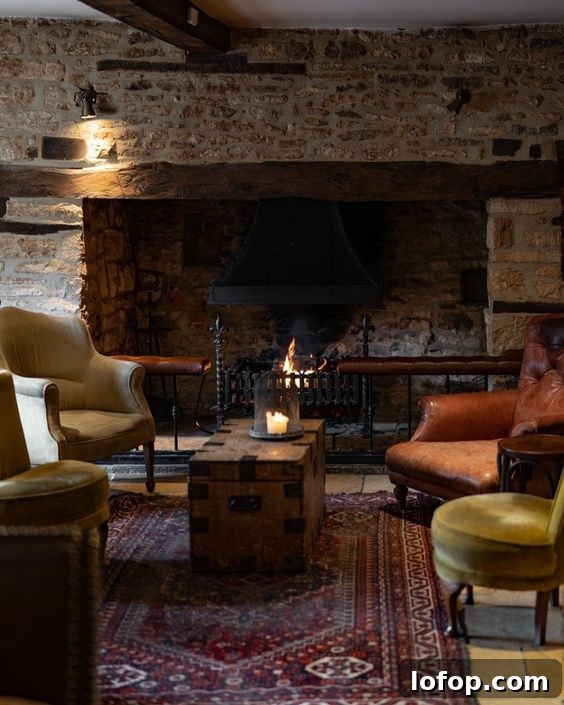
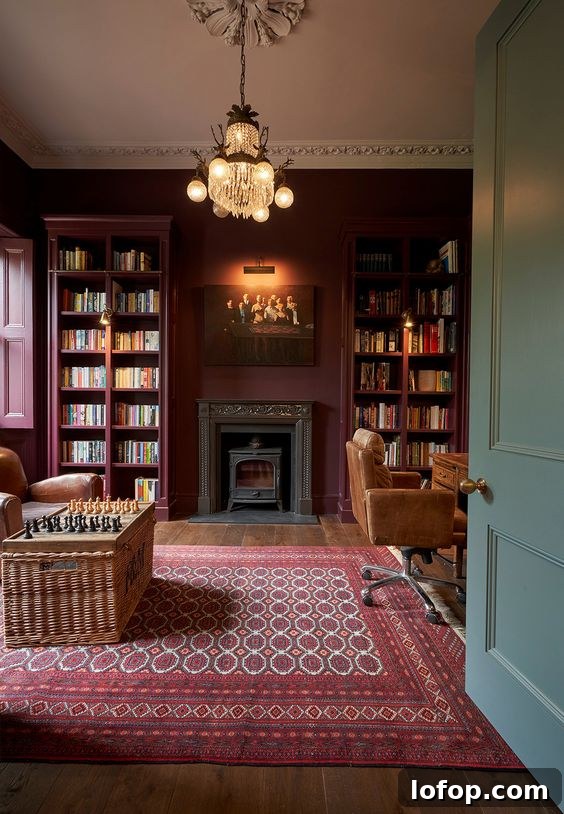
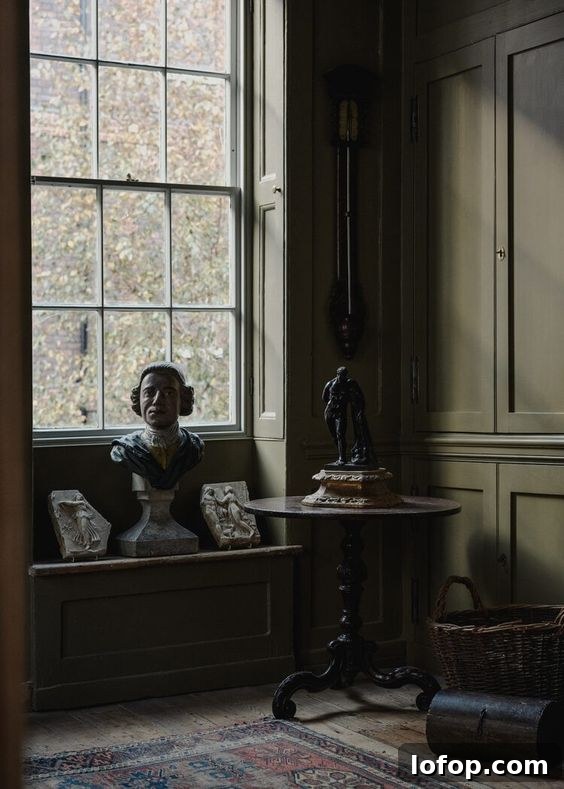
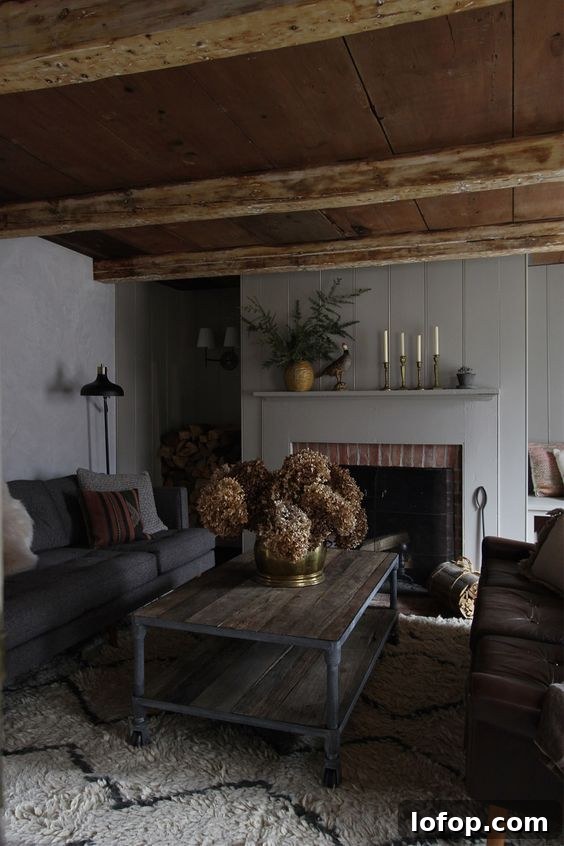
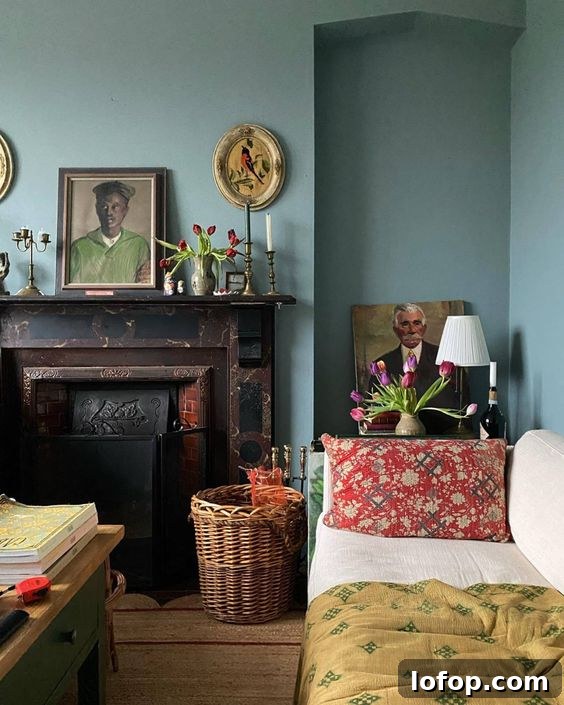
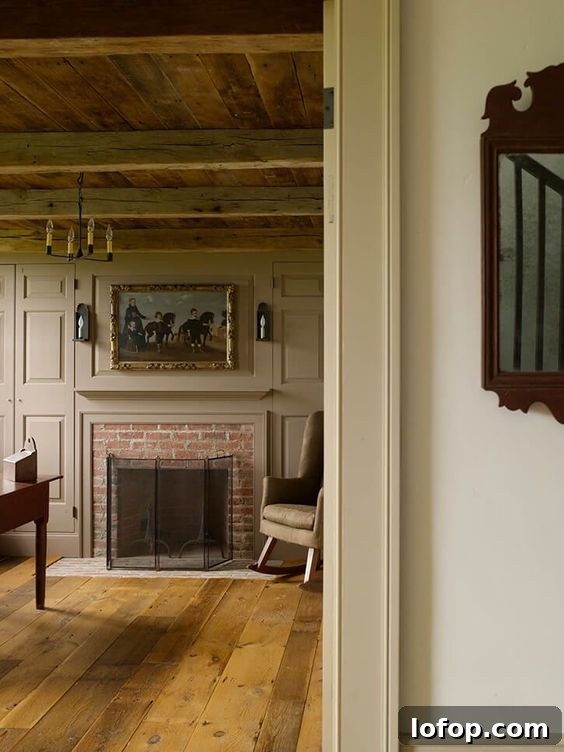
Inspirational projects and photography from a range of designers and historic houses showing how layered textiles, proportion, and curated accessories define living rooms that feel timeless.
Timeless Bathroom Inspiration
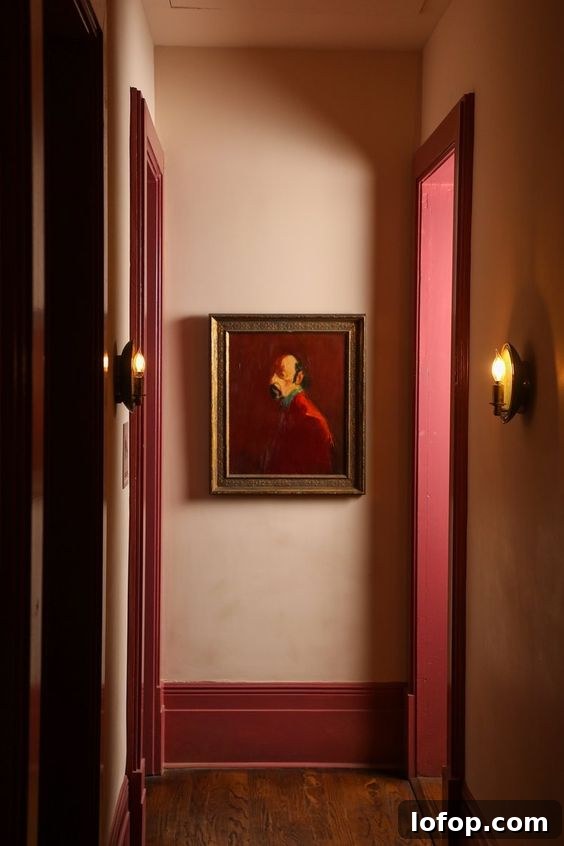
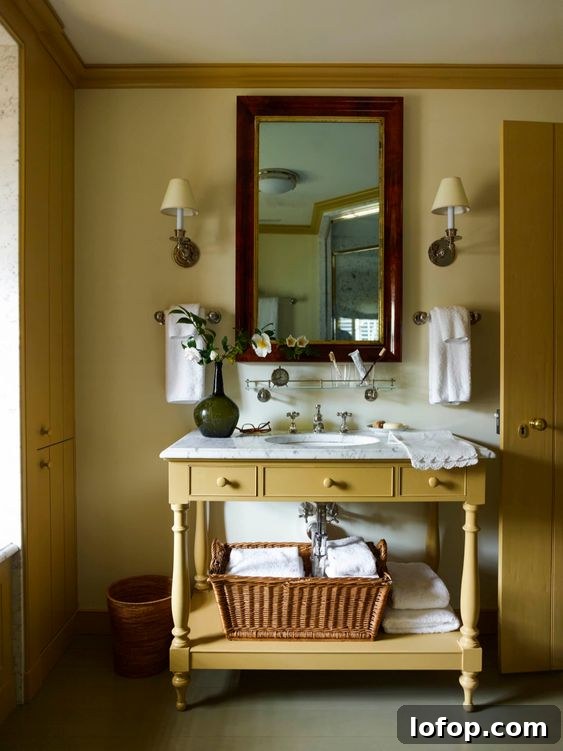
Classic bathroom design relies on good proportions, quality fixtures, and materials that age gracefully.
Timeless Kitchen Inspiration
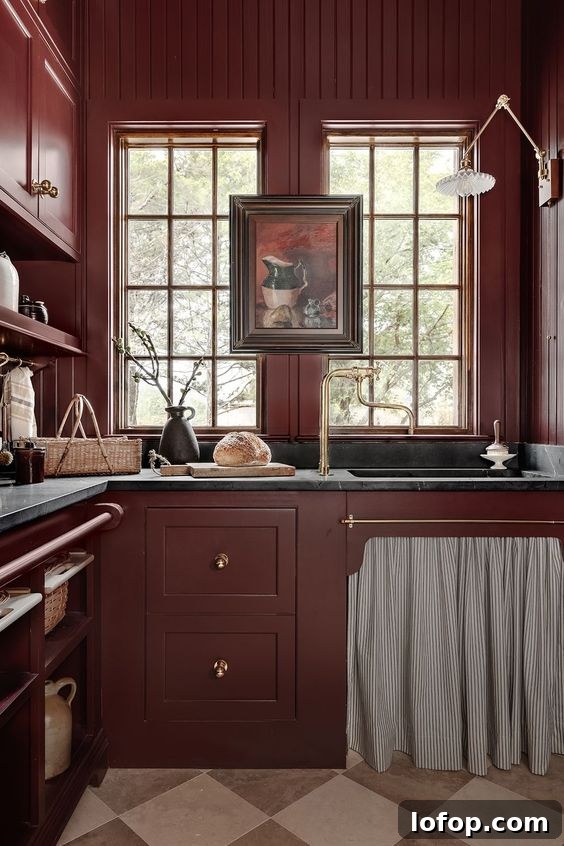
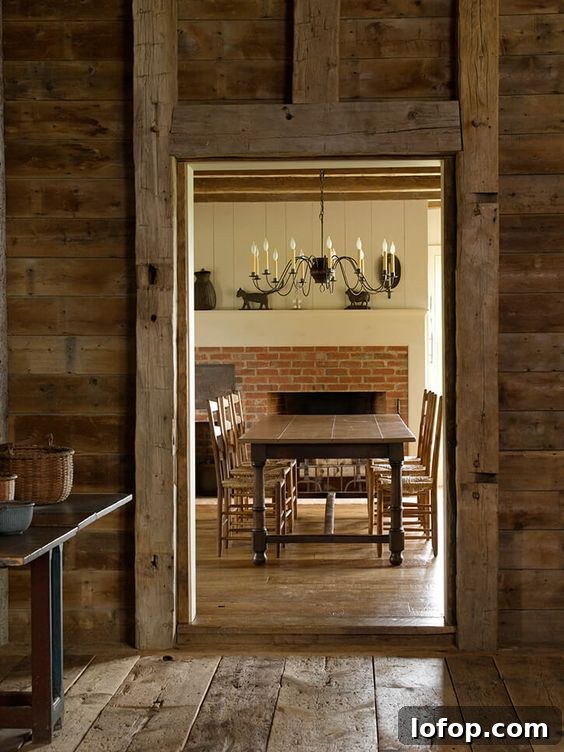
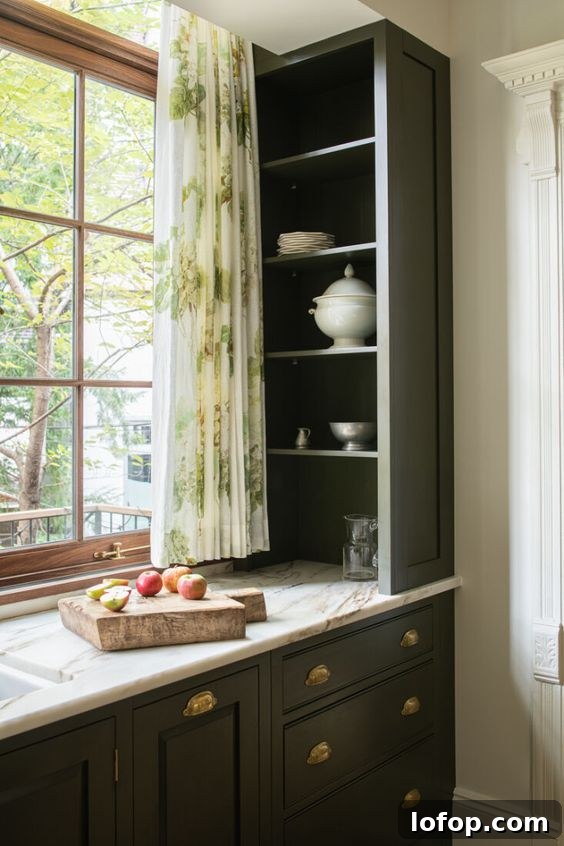
Kitchens that feel timeless often pair painted cabinetry, traditional hardware, and natural materials—balanced by careful storage and functional planning.
Creating a timeless home takes patience and intention. Prioritize quality over quantity, collect pieces that tell a story, and choose a palette and finishes that allow those objects to feel at home. With thoughtful layering, a respect for craftsmanship, and a restrained approach to trends, you can create interiors that remain elegant and welcoming for years to come.