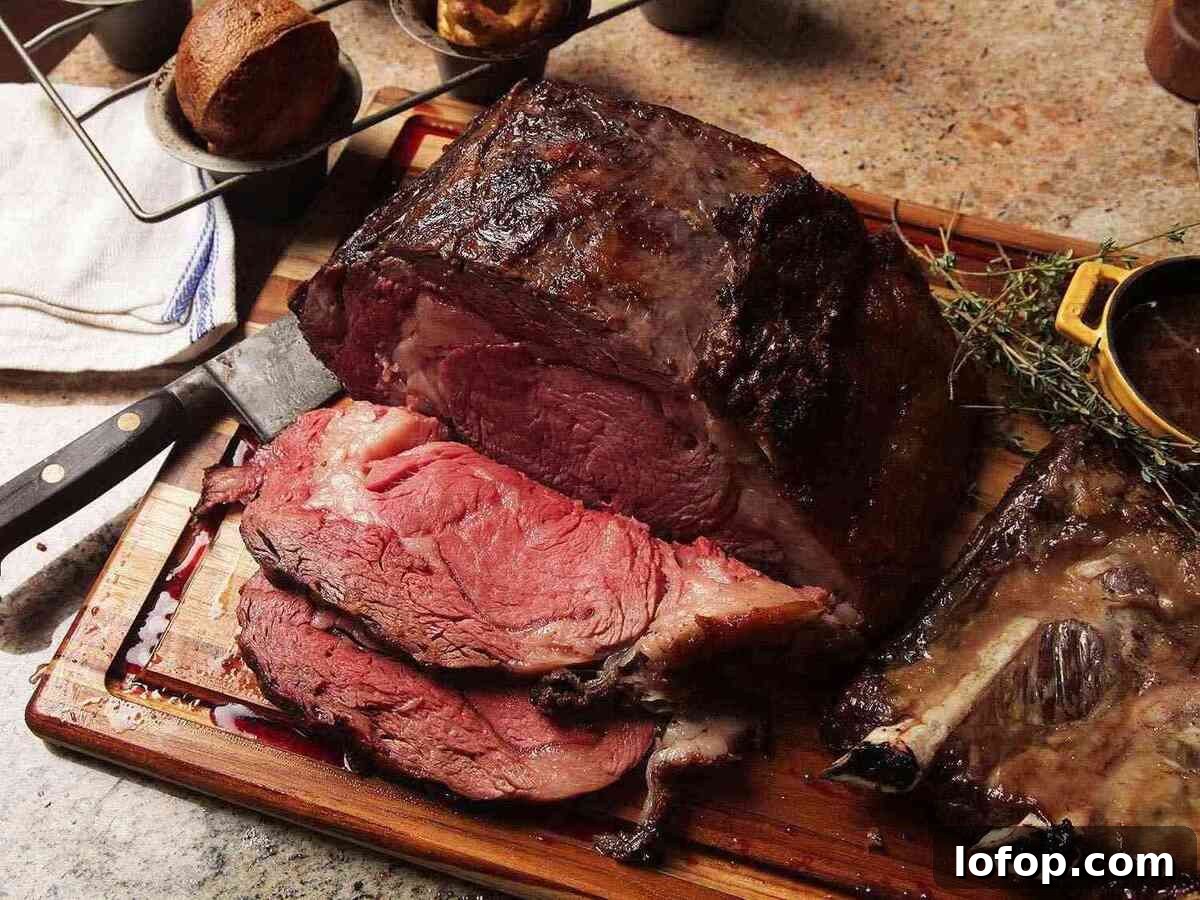
The reverse sear technique delivers a reliably even, tender prime rib with a crisp, caramelized crust. By roasting the meat slowly and finishing at high heat, you get a uniform pink interior and a deeply browned exterior—perfect for holiday dinners or special occasions.
Before you begin, pick up a quality prime rib roast from your butcher if you don’t already have one. Keep the ingredient list simple: kosher salt and freshly ground black pepper for seasoning, minced garlic for aroma, and olive oil to help form the crust.
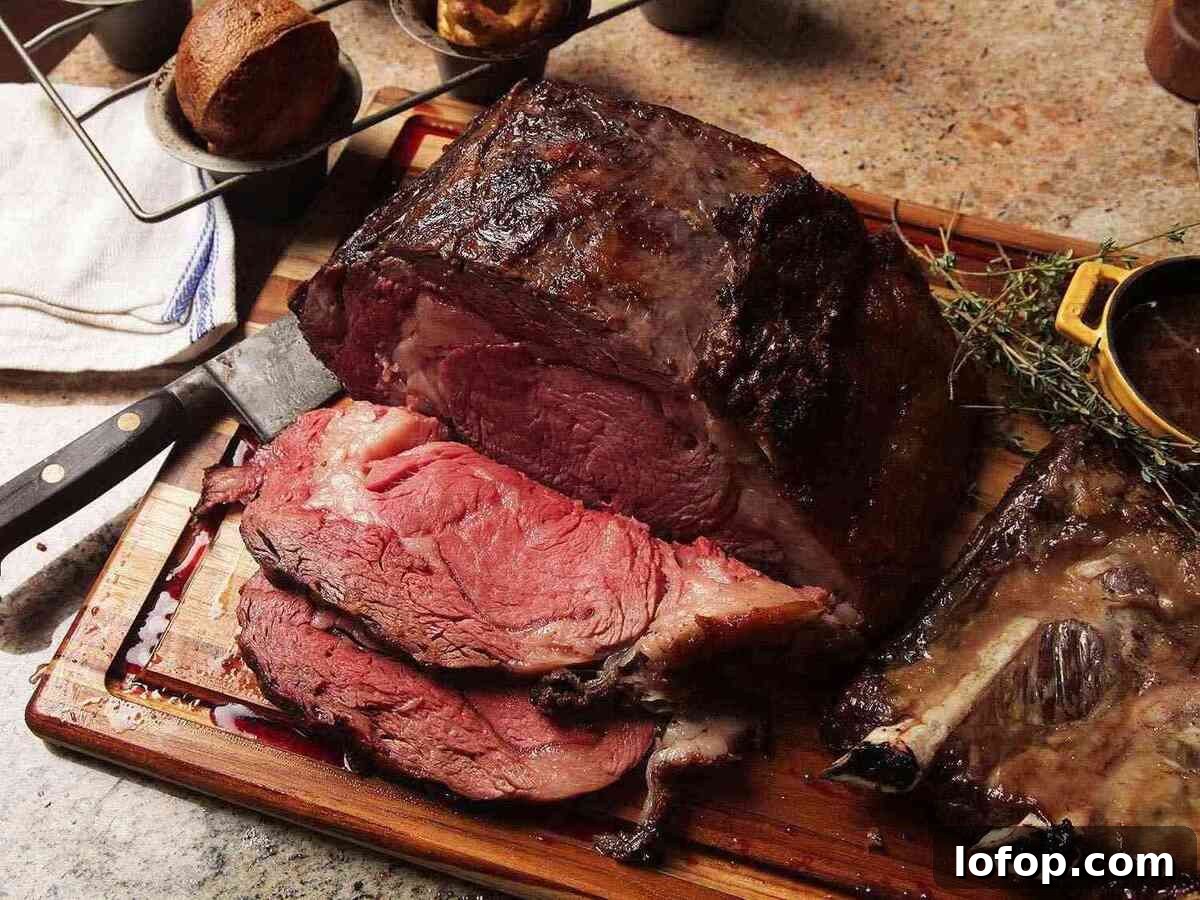
Ingredients for Reverse Sear Prime Rib Roast Recipe
Prime rib roast: A well-marbled cut that roasts beautifully and stays tender.
Kosher salt: Coarse salt that seasons the meat without overpowering it.
Freshly ground black pepper: For bright, peppery flavor that enhances the beef.
Minced garlic: Adds savory depth and an aromatic note.
Olive oil: Helps the seasonings adhere and promotes a golden crust during the final sear.
Technique Tip for This Recipe
Season every surface of the roast evenly with kosher salt and freshly ground black pepper. Rub the minced garlic and olive oil into the meat so the flavors penetrate and a flavorful crust forms during the high-heat finish. Use a reliable meat thermometer to monitor internal temperature rather than relying on time alone.
Suggested Side Dishes
Alternative Ingredients
-
Prime rib roast — swap with ribeye roast for similar marbling and flavor.
-
Prime rib roast — swap with top sirloin roast for a leaner, more economical option.
-
Kosher salt — use coarse sea salt if that’s what you have on hand.
-
Kosher salt — substitute table salt, using a smaller amount because it’s finer and saltier by volume.
-
Freshly ground black pepper — white pepper can be used for a milder, less visible pepper flavor.
-
Freshly ground black pepper — cayenne adds heat and color; use sparingly.
-
Minced garlic — garlic powder works in a pinch, though it lacks the fresh intensity and texture.
-
Minced garlic — shallots give a milder, sweeter aromatic note if you prefer less garlic forward flavor.
-
Olive oil — canola oil is a neutral, high-smoke-point alternative for roasting.
-
Olive oil — grapeseed oil is another neutral oil suited to high-heat finishing.
Other Alternative Recipes Similar to This Dish
How to Store or Freeze This Dish
-
Cool the roast completely at room temperature before wrapping to avoid condensation.
-
Wrap tightly in aluminum foil or plastic wrap, then place in an airtight container or resealable bag to prevent odor transfer and freezer burn.
-
Refrigerate for 3–4 days. For longer storage, freeze for up to 3 months; label with the date.
-
Thaw frozen roast in the refrigerator for 24–48 hours for best texture.
-
To reheat, preheat the oven to 250°F (121°C), place the roast on a rack in a roasting pan, and heat until the internal temperature reaches about 120°F (49°C) for medium-rare—usually 20–30 minutes depending on size.
-
To refresh the crust, finish under high heat (500°F/260°C) for 5–10 minutes, watching closely to avoid burning. Let rest 10 minutes before slicing.
How to Reheat Leftovers
-
Oven Method: Preheat to 250°F (120°C). Place roast on a baking sheet, tent with foil, and heat until internal temperature reaches 120°F (49°C). Optionally broil 2–3 minutes for a crisp exterior.
-
Sous Vide Method: Set the sous vide to 130°F (54°C). Place slices or portions in a vacuum or zip-top bag using water displacement and heat about 1 hour. Sear quickly in a hot skillet for a crispy finish.
-
Stovetop Method: Slice into 1-inch pieces and warm in a nonstick skillet over medium heat with a bit of butter or olive oil, 2–3 minutes per side.
-
Microwave Method: Use thin slices on a microwave-safe plate covered with a damp paper towel. Microwave on medium power in short intervals (30–60 seconds), checking frequently to avoid overcooking.
-
Gravy Method: Warm slices in simmering beef gravy or au jus for 2–3 minutes to add moisture and flavor.
Best Tools for This Recipe
-
Oven: Needed for the low-and-slow roast and the high-heat finish.
-
Roasting pan and rack: Elevate the roast for even air circulation and collect drippings.
-
Meat thermometer: Essential for accurate doneness checks.
-
Cutting board and chef’s knife: Use a sturdy board and a sharp knife to rest and carve the roast.
-
Measuring spoons, garlic press, mixing bowl, tongs, and aluminum foil: Helpful for prep, handling, and resting the meat.
How to Save Time on Making This Recipe
Season the roast the night before and refrigerate uncovered to deepen flavor and shorten prep time on cook day. Pre-mince garlic and store it in an airtight container. Use a reliable meat thermometer to avoid opening the oven frequently. Preheat the oven in stages—first for the low roast, then increase to high for the final sear—to streamline the process.
Reverse Sear Prime Rib Roast Recipe
Ingredients
Main Ingredients
- 1 whole Prime Rib Roast (about 6–8 pounds)
- 2 tablespoons Kosher Salt
- 1 tablespoon freshly ground Black Pepper
- 4 cloves Garlic, minced
- 2 tablespoons Olive Oil
Instructions
- Preheat your oven to 225°F (107°C).
- Season the roast generously with kosher salt and freshly ground black pepper. Rub the minced garlic and olive oil all over the surface.
- Place the roast fat-side up on a rack inside a roasting pan.
- Roast slowly until the internal temperature reaches 120°F (49°C) for medium-rare, approximately 3 hours (time will vary with roast size).
- Remove the roast and let it rest for 30 minutes, tented loosely with foil.
- Preheat the oven to 500°F (260°C).
- Return the roast to the hot oven and cook just until the exterior is browned and crisp, about 8–12 minutes—watch closely to avoid burning.
- Let the roast rest another 10 minutes, then slice and serve.
Nutritional Value
Keywords
Suggested Appetizers and Desserts
More Amazing Recipes to Try 🙂
- Berry Banana Recipe
5 Minutes
- Shredded Chicken Tacos Recipe
40 Minutes
- Banana Bread French Toast Recipe
25 Minutes
- Pea Pesto Recipe
10 Minutes