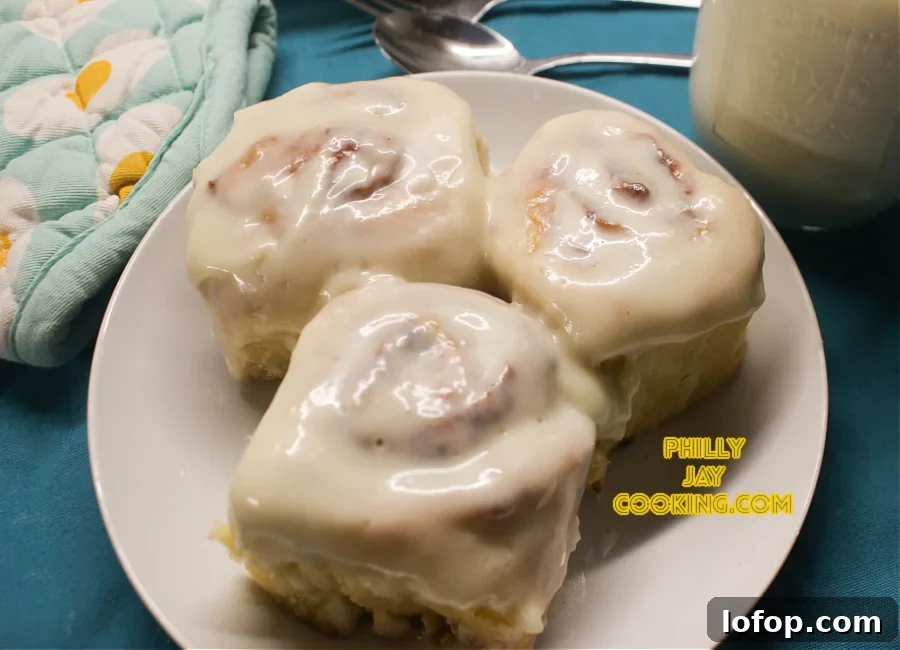
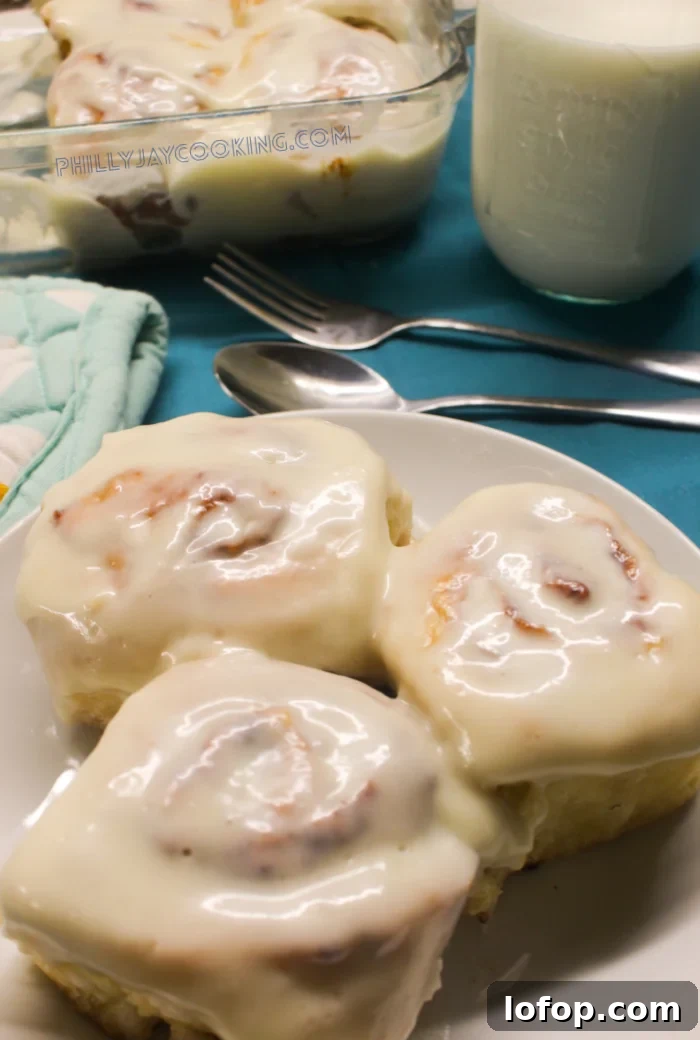
Moist, soft, and fluffy cinnamon rolls finished with a rich cream cheese frosting. This classic cinnamon roll recipe uses simple ingredients and traditional methods to deliver tender, melt-in-your-mouth rolls perfect for a cozy breakfast, snack, or dessert.
Kids will love them with cold milk, while adults will enjoy them warm with tea or coffee. These homemade rolls are easy to make and impressively flavorful.
Below you’ll find the ingredients, equipment, tips on yeast and proofing, step-by-step instructions, frosting options, storage advice, and helpful troubleshooting notes to ensure great results every time.
Key Ingredients For Dough:
The dough creates the texture and structure of the cinnamon rolls. Use these ingredients for a tender, rich dough.
- All-purpose flour: The base for the dough.
- Salt: Enhances and balances the sweetness.
- Unsalted butter: Adds flavor and contributes to browning.
- Vegetable oil: Used to coat the bowl so the dough won’t stick while rising.
- Whole milk: Adds moisture, richness, and hydrates the flour for a softer dough.
- Egg: Contributes flavor, color, moisture, and structure.
- White sugar: Sweetens the dough and feeds the yeast.
- Yeast: The leavening agent that makes the dough rise.
Equipment You’ll Need For Cinnamon Rolls:
- Large mixing bowls: For mixing dough and for preparing frosting.
- Hand mixer (optional): Speeds up mixing for dough and frosting; you can also mix by hand.
- Spatula: Helpful for scraping bowls and folding ingredients.
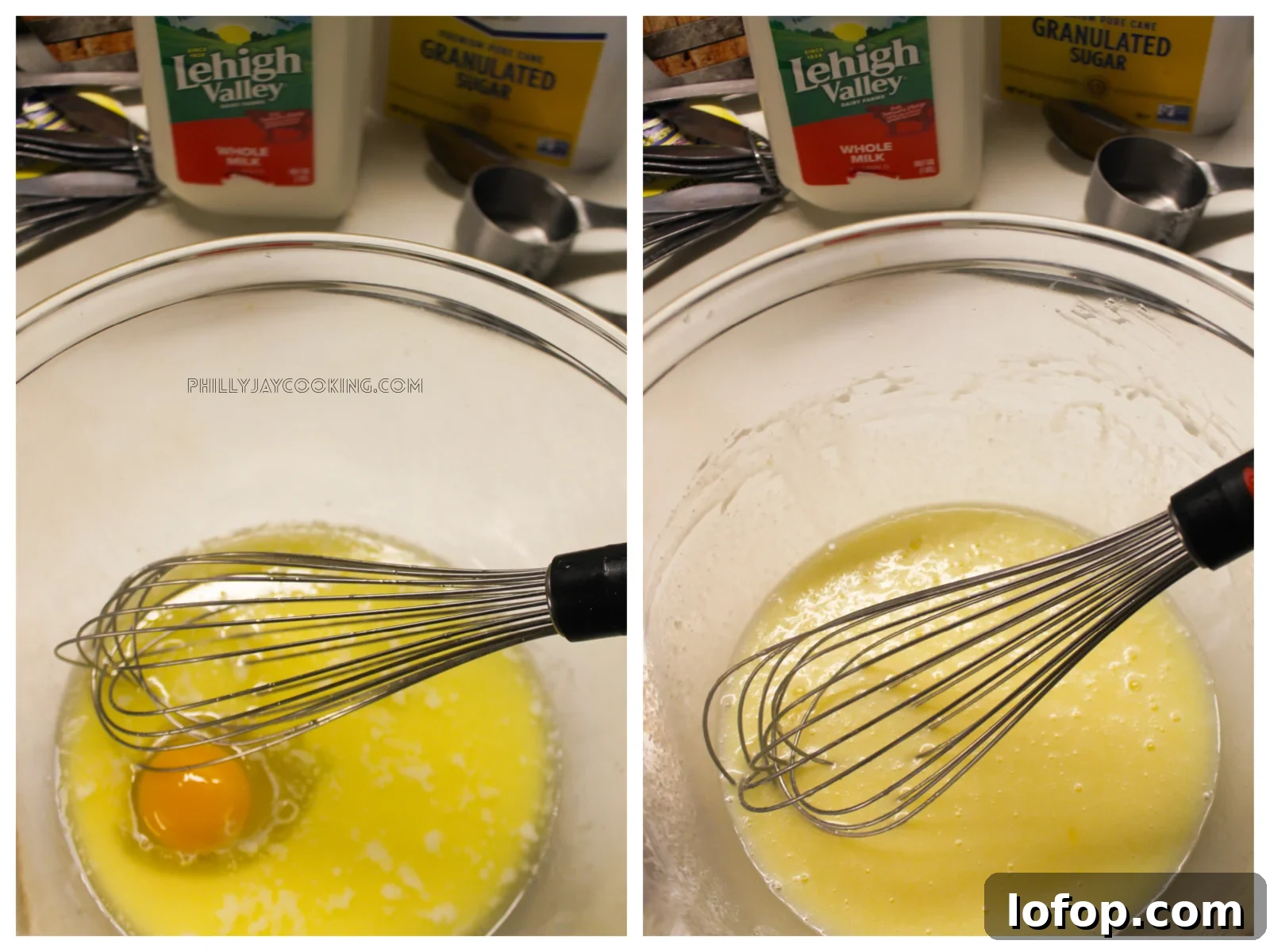
- Whisk: For beating eggs and combining wet ingredients.
- Rolling pin: To roll the dough into a rectangle.
- Sharp knife or dough cutter: For slicing rolls cleanly.
- Baking dish: To bake the rolls; butter the dish to prevent sticking.
- Measuring cups and spoons: For accurate measurements.
- Basting brush: Useful for removing excess flour or brushing butter.
Everything you need to know about the Yeast
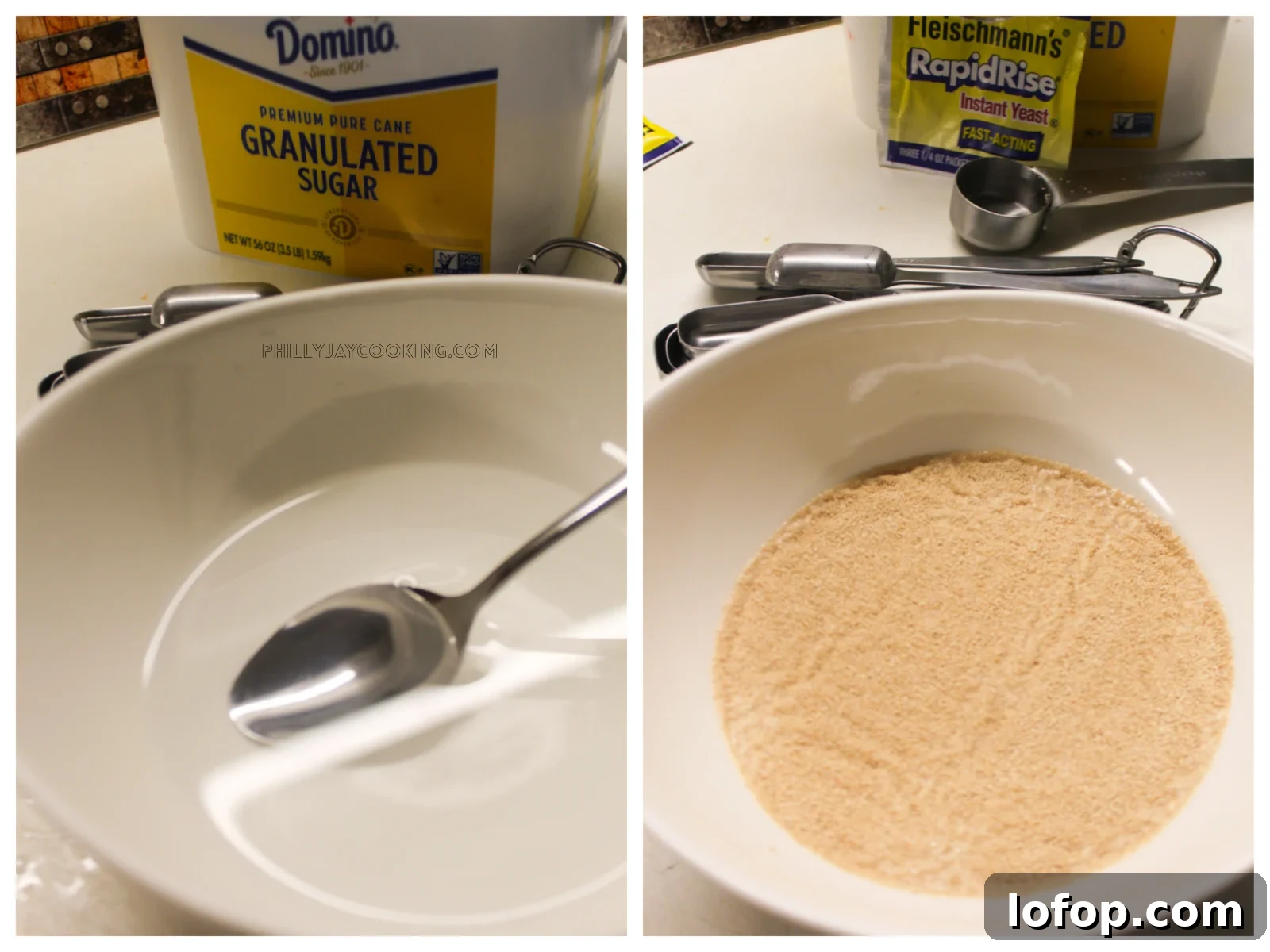
Yeast is what makes cinnamon rolls light and airy. It is a living organism that, when combined with warmth and sugar, produces carbon dioxide gas that helps dough rise.
- Active dry yeast: Needs to be activated in warm water or milk (105–115°F).
- Instant (rapid rise) yeast: Can be mixed directly into dry ingredients without pre-activation.
- Liquid temperature: Warm liquid wakes yeast up; too hot will kill it and too cool will leave it dormant.
- Sugar: Feeds the yeast and speeds fermentation.
- Warm environment: A warm spot helps dough rise faster during proofing.
Key things about proofing:
Proofing shows that yeast is active and the dough is developing properly. Look for these indicators:
- Yeast viability: Yeast mixed with warm liquid and sugar should become foamy within 15–20 minutes.
- Bulk proof: After mixing into dough, the dough should rise and expand—typically 1 to 3 hours depending on temperature.
- Final proof: After shaping into rolls, a second rise lets them expand and develop a light texture before baking.
The filling:
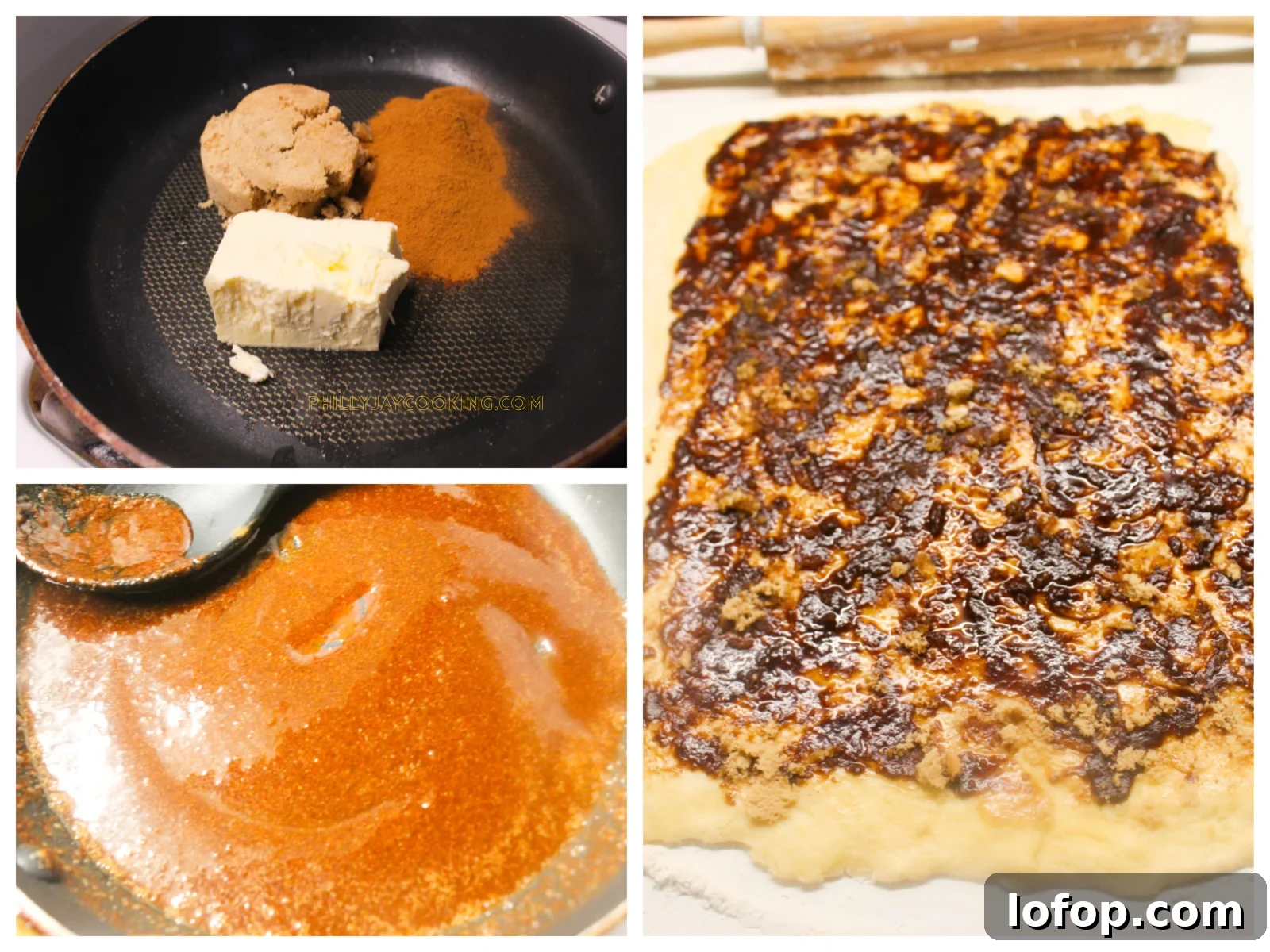
- Butter: Adds flavor and helps the brown sugar and cinnamon adhere to the dough.
- Brown sugar: Sweetens and adds depth from its molasses.
- Cinnamon: Ground cinnamon brings the classic flavor.
Large cinnamon rolls vs small cinnamon rolls
The rolling direction affects roll size. Rolling the dough from top to bottom produces wider, thicker rolls; rolling side to side (left to right) gives smaller, tighter spirals. Choose the method based on how many rolls you want and the size you prefer.
Frosting Options for Cinnamon Rolls:
You can customize frosting consistency and flavor to suit your taste.
- Thick frosting or thin glaze: Add milk a teaspoon at a time to thin powdered-sugar-based frosting for a glaze that seeps into the rolls. Use less milk for a thicker spreadable frosting.
- Add-ins: Stir in caramel, chopped pecans, or walnuts for texture and flavor.
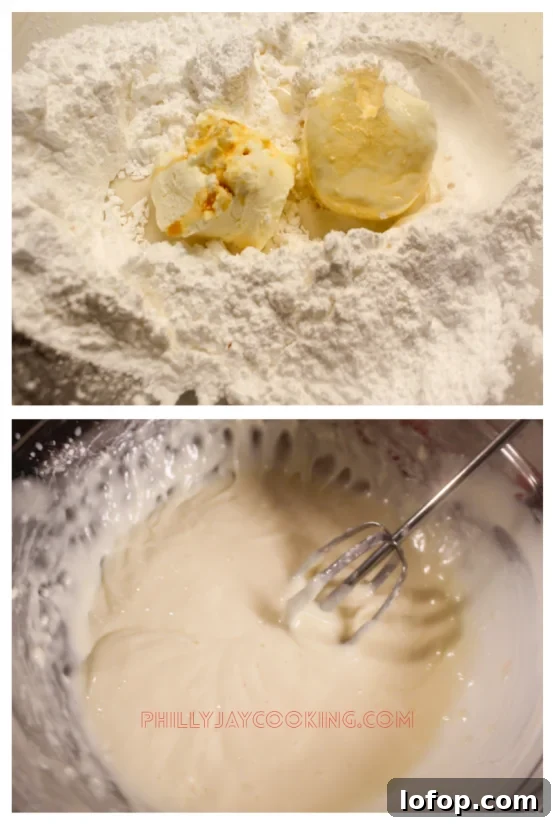
- Cream cheese frosting: Combine cream cheese, confectioners’ sugar, a splash of milk, and vanilla for a rich topping.
- Basic buttercream: Omit cream cheese and blend butter, confectioners’ sugar, milk, and vanilla for a classic buttercream.
How To Make Cinnamon Rolls From Scratch
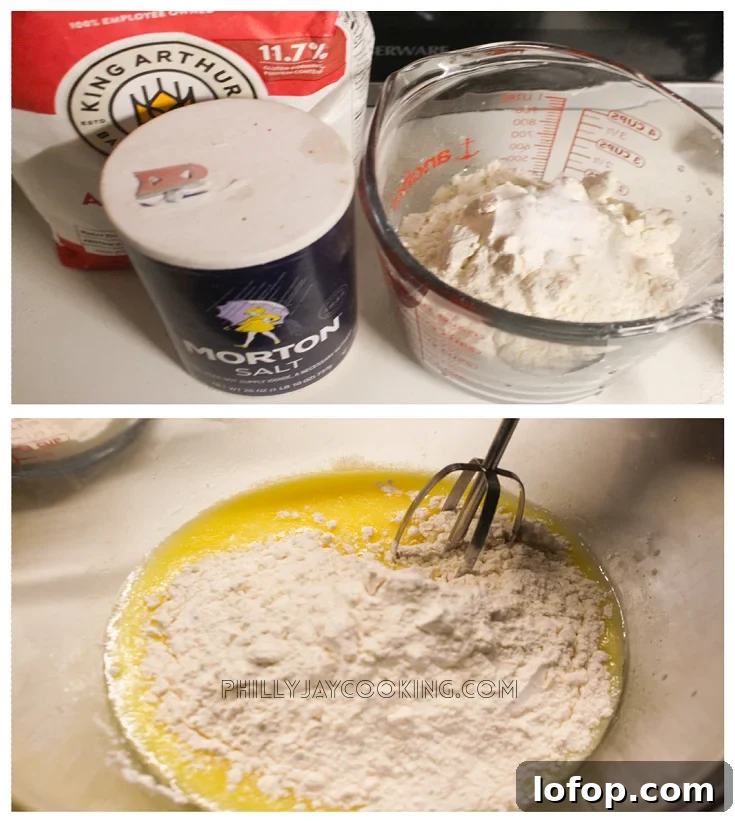
- Activate yeast by stirring warm water (or milk) with sugar, then sprinkling yeast on top; let sit 15–20 minutes until foamy.

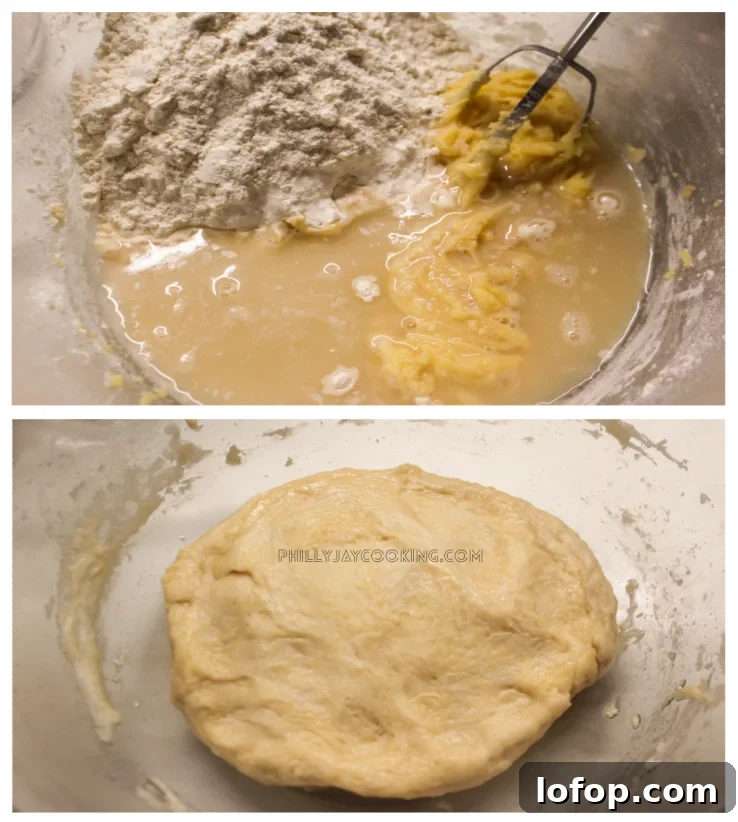
- Mix dry ingredients (flour, salt) and combine wet ingredients (melted butter, milk, sugar, egg). Add half the flour, then the activated yeast and remaining flour until a soft dough forms.
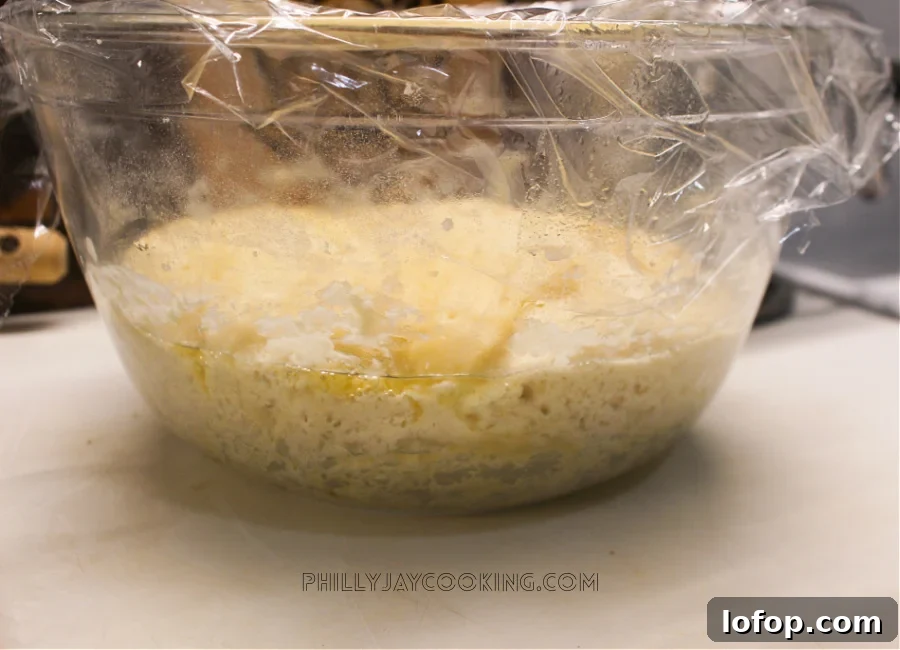
- Oil a mixing bowl, place the dough inside, cover, and let it rise until doubled in a warm spot.
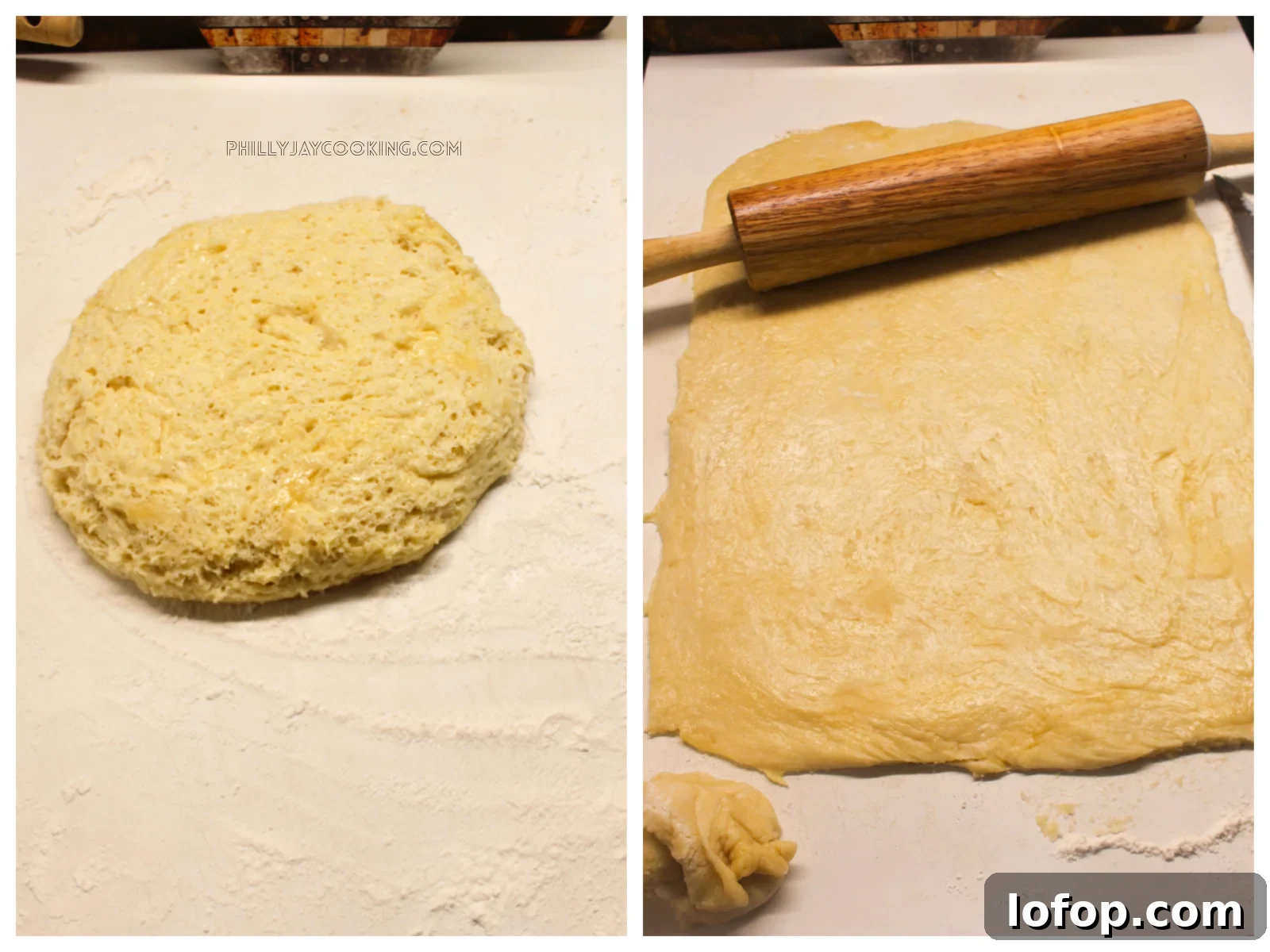
- Turn the dough onto a floured surface, roll it into a rectangle with a rolling pin.
- Prepare the filling by melting butter with brown sugar and cinnamon; spread evenly over the dough.
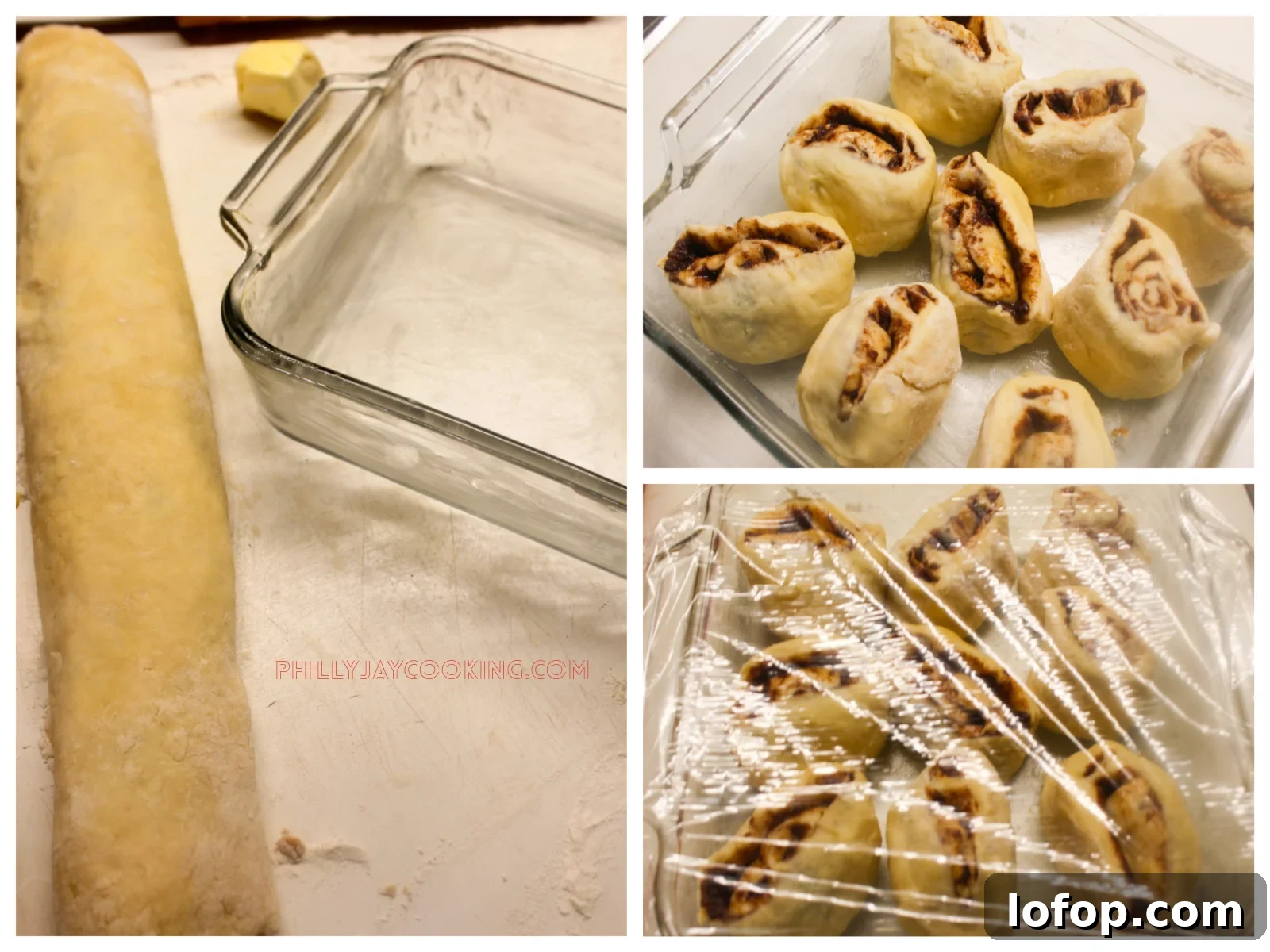
- Brush a little water on the short edge, roll tightly, and slice into rolls. Place them in a buttered baking dish.
- Cover and allow the shaped rolls to rise until puffy and nearly doubled, about an hour.
- Make the frosting by blending cream cheese, confectioners’ sugar, milk, and vanilla; chill until ready to use.
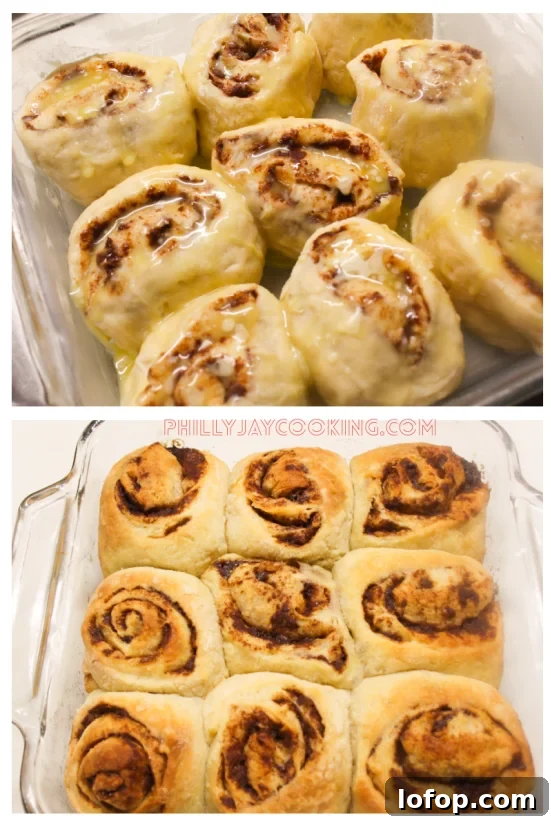
- Brush the tops with melted butter, bake at 350°F (175°C) for about 25–30 minutes until golden.
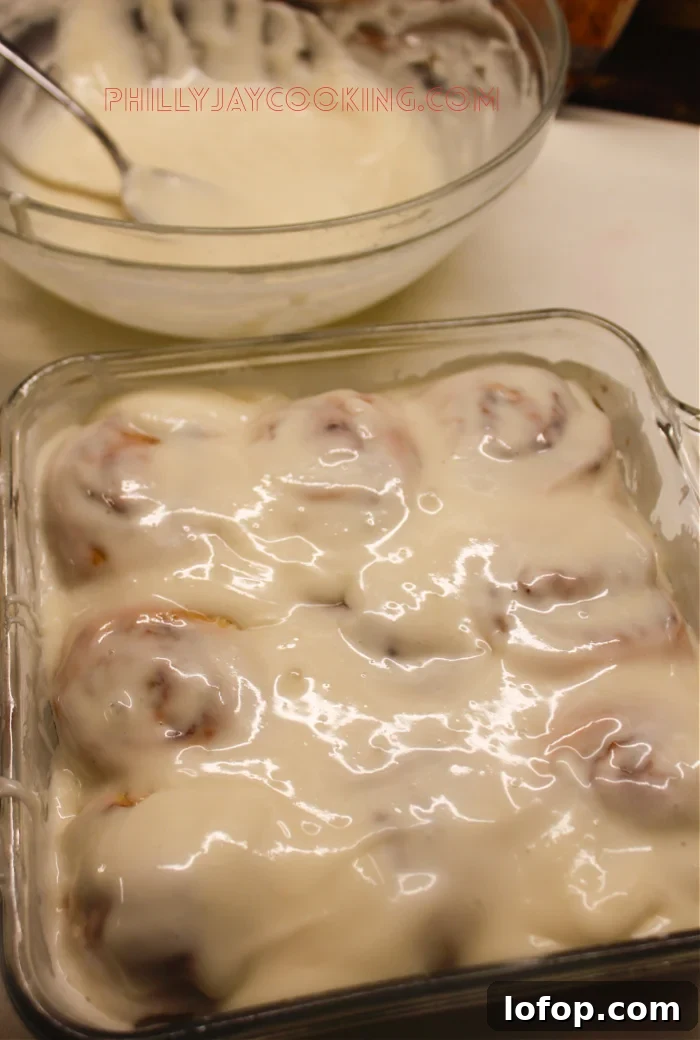
- Remove from oven and spread the frosting over the hot rolls so it melts into the spirals.
Pro Tips:
- Use a sharp knife or baker’s thread: Clean cuts keep spirals intact when slicing.
- Let dough rise at room temperature: A warm counter helps the dough rise faster than refrigeration.
- Generously flour the surface: Prevents sticking while rolling and shaping.
- Brush off excess flour: Remove loose flour before baking for even browning.
- Don’t over-butter the top: Too much butter can make the tops overly dark; use just enough for flavor and shine.
Serving Suggestions:
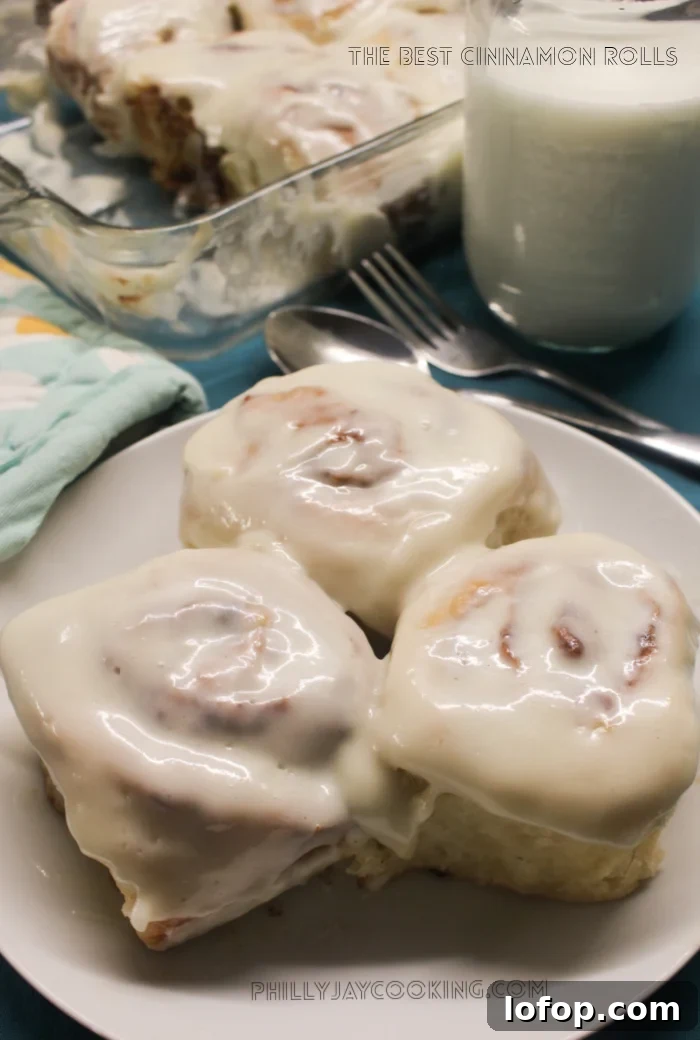
- Cold milk: A classic pairing—creamy milk complements the sweet, buttery roll.
- Hot tea: A cozy, old-fashioned match for a warm cinnamon roll.
- Coffee: Ideal for mornings; the bitter notes of coffee balance the sweetness.
- Vanilla ice cream: Serve a warm roll with a scoop for an indulgent dessert.
How to Store Cinnamon Rolls
- Room temperature: Store cooled rolls at room temperature in foil or an airtight container to keep them moist; refrigeration can dry them out.
- Freeze before baking: Place shaped rolls on a tray to freeze, then transfer to a sealed bag; bake from frozen or thaw before baking.
- Freeze after baking: Cool completely, then freeze in airtight bags or containers for longer storage.
Cinnamon Roll FAQ’s
Why isn’t my dough rising?
Check yeast viability (should foam in warm liquid). If the environment was too cool, yeast expired, or too much flour was added, the dough may not rise properly.
How to know it’s done rising?
The dough should show visible air pockets and be about twice its original volume before shaping or baking.
Why did my cinnamon rolls come out hard?
Overworking the dough, too much flour, or insufficient fat and moisture can cause dryness. Overbaking will also make rolls hard.
What should I do if the sides of my cinnamon rolls are crunchy and hard?
Loosen the rolls from the pan with a knife and pour some frosting or warm syrup down the sides to soften them.
If you enjoyed this recipe, consider rating it on the original site or saving it to your favorites. Enjoy your homemade cinnamon rolls!
Pbj~