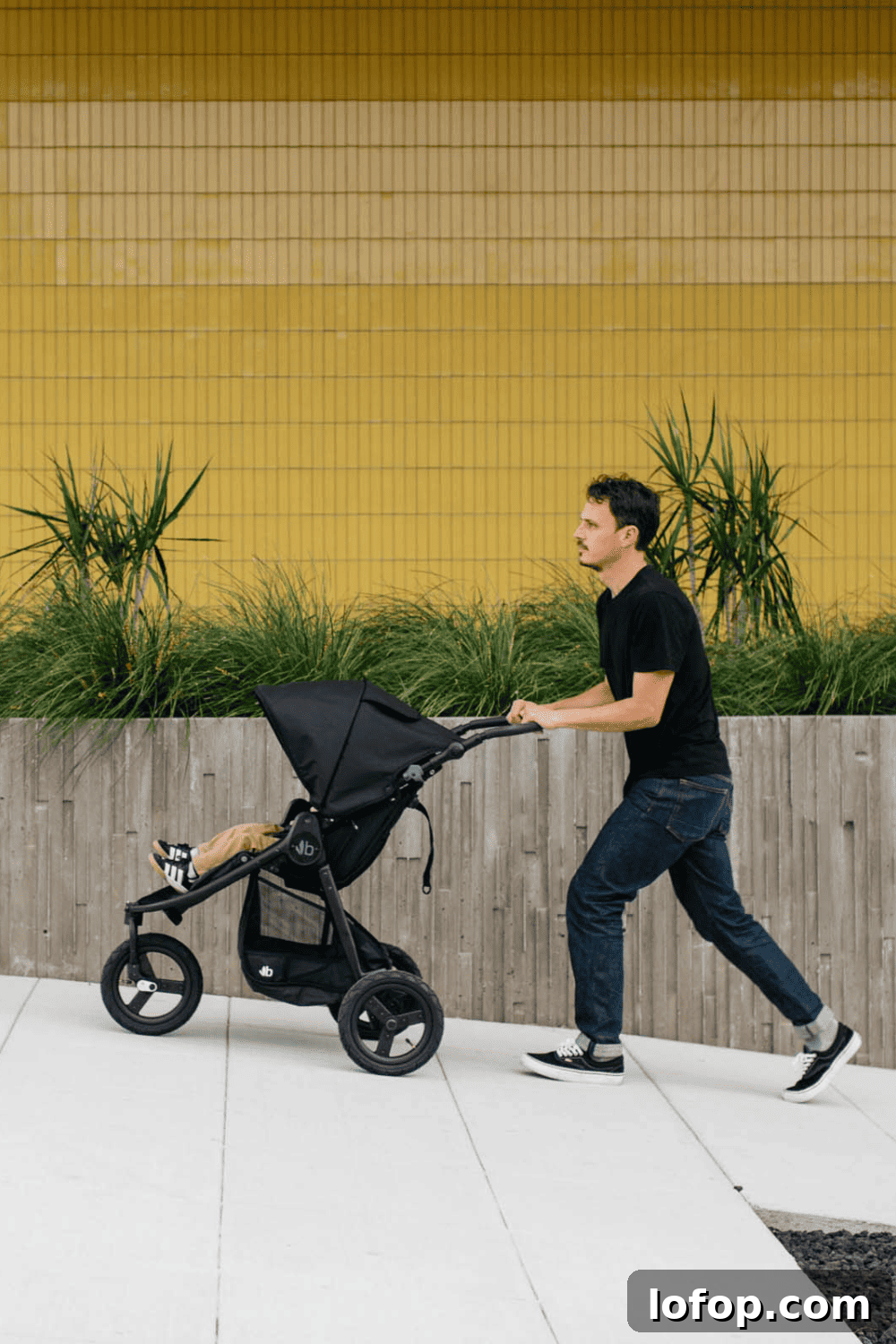
While it’s rare to find a stroller that’s completely free of any synthetic materials, there are many high-quality strollers on the U.S. market that avoid the most concerning toxicants—particularly PFAS and added flame retardants.
I researched this topic extensively to identify non-toxic stroller options that balance safer materials with excellent reviews and practical features. Below you’ll find recommendations that include jogging strollers, compact umbrella strollers with sun protection, car-seat-compatible travel systems, and more.
In a Nutshell:
I prioritized brands that avoid intentionally added PFAS and flame retardants.
Below is a quick overview of non-toxic stroller types and top brand options to consider:
- Jogging strollers: Several brands offer PFAS- and FR-free jogging models, including Bumbleride, Guava, and Chicco.
- Most compact when folded: Guava Roam.
- Best for large or growing families: Zoe Tribe (expandable options up to four seats).
- Most affordable non-toxic option: Chicco Lite Way (budget models available at big-box retailers).
- Best full travel system (stroller + car seat): Nuna or the Chicco Corso Primo ClearTex Travel System for more affordable FR-free travel combinations.
- Umbrella/lightweight strollers: Many brands below offer lightweight options with sun canopies—Chicco Lite Way, Nuna TRVL, Bugaboo Butterfly, and Joolz Air+ are good examples.
- Double strollers: Most brands listed offer double or multi-child options; Guava and Bombi currently do not have double strollers.
This guide covers:
- Toxic Chemicals to Avoid in Strollers
- Flame Retardants
- PFAS
- PVC
- Other Plasticizers and Synthetics
- “Intentionally-Added” Chemicals vs. Contaminants
- Not All “Eco-Friendly” Strollers are Non-Toxic Strollers
- What If You Can’t Afford to Buy a Non-Toxic Stroller?
- It’s a Changing Landscape… So Stay Tuned!
- Other Factors to Consider When Shopping for a Non-Toxic Stroller
- Car Seat Capabilities
- Size/Width
- Ease of Folding
- Number, Age, and Weight of Kids
- Lifestyle/Stroller Use
- What Are the Different Types of Baby Strollers and Their Purposes?
- Best Non-Toxic Baby Strollers
- Bumbleride
- Mockingbird
- Nuna
- Guava
- Chicco
- Bugaboo
- Bombi
- Joolz
- Zoe
- Greentom (Only Available in Europe)
- Other Strollers I Looked Into
- Do Newborns Need a Special Stroller?
- Want to learn more about how to reduce PFAS in your life?
This guide includes product recommendations and some affiliate links; recommendations reflect my research and priorities.
Toxic Chemicals to Avoid in Strollers
Finding a stroller that’s entirely plastic-free is unrealistic—most strollers use plastics for structural parts, wheels, and fabric components. Instead of seeking perfection, prioritize avoiding the worst chemical hazards and the most problematic plastics.
Focus on avoiding:
Flame Retardants
Historically, flame retardants were added to many children’s products to meet flammability standards. Many of these chemicals are endocrine disruptors and have been associated with developmental delays, reproductive issues, and other health concerns. After regulations changed and some states limited flame retardants in baby products, many manufacturers phased them out—especially for items sold in the U.S.—but they have not vanished entirely.
Note: the UK still requires flame retardants in certain products as of late 2023, so strollers shipped or sold there may include FRs even if the same model sold in the U.S. is FR-free. If buying internationally, check with the manufacturer.
PFAS
PFAS, often called “forever chemicals,” were widely used to make fabrics water- and stain-resistant. Exposure to PFAS has been associated with various health risks, including cancer, thyroid dysfunction, immune impacts, and reproductive effects. Many stroller brands are switching to PFAS-free alternatives like C0 coatings or polyurethane (PU) backings, but you should confirm that a brand’s claim refers to the whole class of PFAS—not just PFOA or PFOS.
“PFC-free” labeling often refers to the full class of per-/polyfluorinated chemicals and can be meaningful; still, when in doubt, ask the brand for specifics.
Durable Water Repellent (DWR) finishes
DWR finishes can be PFAS-based or PFAS-free depending on formulation. If a stroller advertises DWR, verify whether it uses PFAS or a PFAS-free treatment.
PVC
PVC (vinyl) is one of the more problematic plastics because it can include contaminants like phthalates, heavy metals, or residues of vinyl chloride. PVC is often used for rain covers and clear windows; when possible, prefer polyethylene or explicitly phthalate- and heavy-metal-free PVC alternatives.
Other Plasticizers and Synthetics
Other chemicals to minimize include phthalates (used to soften plastics), BPA and related bisphenols (used in hard plastics), and some polyurethane foams. While synthetics are unavoidable in most strollers, choosing brands that avoid the worst additives will reduce potential exposure.
“Intentionally-Added” Chemicals vs. Contaminants
Even when a brand avoids intentionally adding PFAS or other chemicals, trace contamination can still occur during manufacturing. Lab testing is the only reliable method to confirm complete absence, and that testing is expensive. For this reason, look for brands that explicitly state they do not add PFAS or FRs and that have taken steps to source PFAS-free treatments and materials.
Products with contamination will generally have much lower levels than those with intentionally added chemicals—so selecting FR- and PFAS-free products remains a meaningful step.
Not All “Eco-Friendly” Strollers are Non-Toxic Strollers
“Eco-friendly” claims can refer to recycled materials, lower-carbon production, or circular practices—and don’t always guarantee the absence of PFAS or flame retardants. Always check the specifics of materials and chemical treatment claims rather than assuming eco-labels mean non-toxic.
What If You Can’t Afford to Buy a Non-Toxic Stroller?
New baby gear is costly, and it’s understandable if a brand-new non-toxic stroller isn’t in your budget. Practical options include:
- Buy secondhand from reputable platforms; prioritize strollers made after 2014, when many FR rules changed.
- Check for manufacturer-refurbished models or certified pre-owned programs.
- Add organic or non-toxic accessories (such as an organic cotton insert) to the stroller you already have to reduce direct contact materials.
- Prioritize other exposure-reduction strategies in the home—products used directly on skin and diet are meaningful areas to focus on if budget is limited.
It’s a Changing Landscape… So Stay Tuned!
Regulations and manufacturer practices are shifting quickly. Many brands have phased out PFAS and added flame retardants due to regulation and consumer pressure. Keep an eye on updates from manufacturers and consider recent production dates when purchasing secondhand strollers.
Other Factors to Consider When Shopping for a Non-Toxic Stroller
Aside from material safety, a stroller must suit your lifestyle. Consider these practical factors:
Car Seat Capabilities
Some strollers are sold as travel systems and match a brand’s car seat; others require adapters. Confirm compatibility before buying so the car seat and stroller work together safely.
Size/Width
Check both open and folded dimensions. Double strollers can be wide and may not fit every doorway or vehicle trunk; some lightweight models fold small enough for airplane overhead bins.
Ease of Folding
One-handed folding is a major convenience when you’re juggling a child. If this is important to you, prioritize strollers with effortless fold mechanisms.
Number, Age, and Weight of Kids
Think about whether you need space for future children, newborn compatibility (bassinet or full recline), and weight limits. Adjustable features like reclining seats and footrests help a stroller grow with your child.
Lifestyle/Stroller Use
Consider storage needs, terrain (city sidewalks vs. trails), frequency of travel, and any size limits for venues you frequent. These practical needs can guide your choice alongside material safety.
What Are the Different Types of Baby Strollers and Their Purposes?
Common stroller types and uses:
- Standard/everyday strollers: Versatile, comfortable, and suitable for most daily needs.
- Jogging strollers: Built for runs with sturdy frames, large air tires, and suspension.
- Lightweight/travel strollers: Compact and easy to carry for trips and public transit.
- Umbrella strollers: Extremely compact and easy to store—good for quick errands and travel.
- Travel systems: Combine a stroller frame with an infant car seat for seamless transfers.
- Double/multi-child strollers: Side-by-side or tandem formats for twins or siblings close in age.
Best Non-Toxic Baby Strollers
Below are brands that stood out in my research for minimizing intentional use of PFAS, flame retardants, and other concerning additives while offering functional, well-reviewed strollers.
Bumbleride
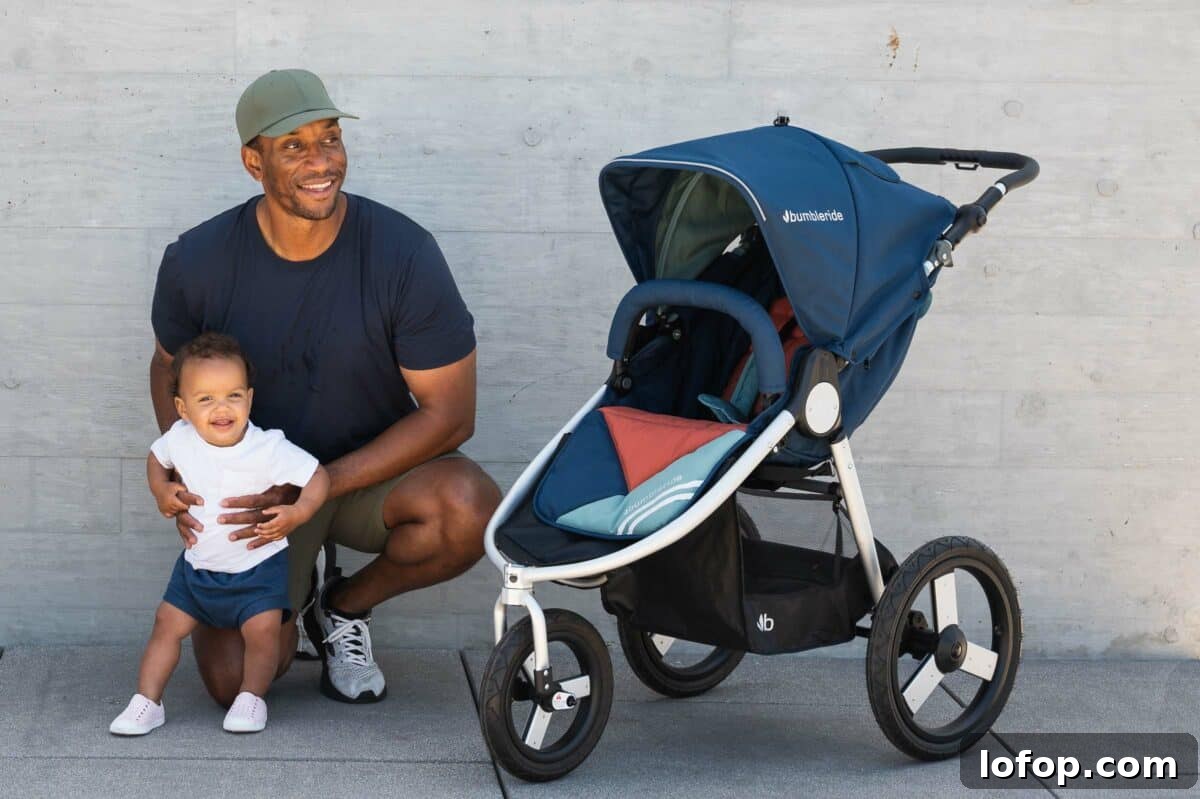
Claims: Free from intentionally added PFAS, flame retardants (except for some UK shipments), PVC, BPA, phthalates, polyurethane foam, chlorine, vinyl, and formaldehyde. Options include all-terrain and jogging strollers, reversible and double models, and the Speed jogging stroller. Price range typically falls between $699 and $1,029.
Bumbleride uses OEKO-TEX-certified recycled PET fabrics and a PFAS-free C0 durable water repellent for water resistance. Their strollers perform well off-road and in urban settings and include features like air-filled tires, all-wheel suspension, ample storage, and one-step fold/standing stow. They are compatible with popular car seat brands and offer many replacement parts and accessories.
Mockingbird
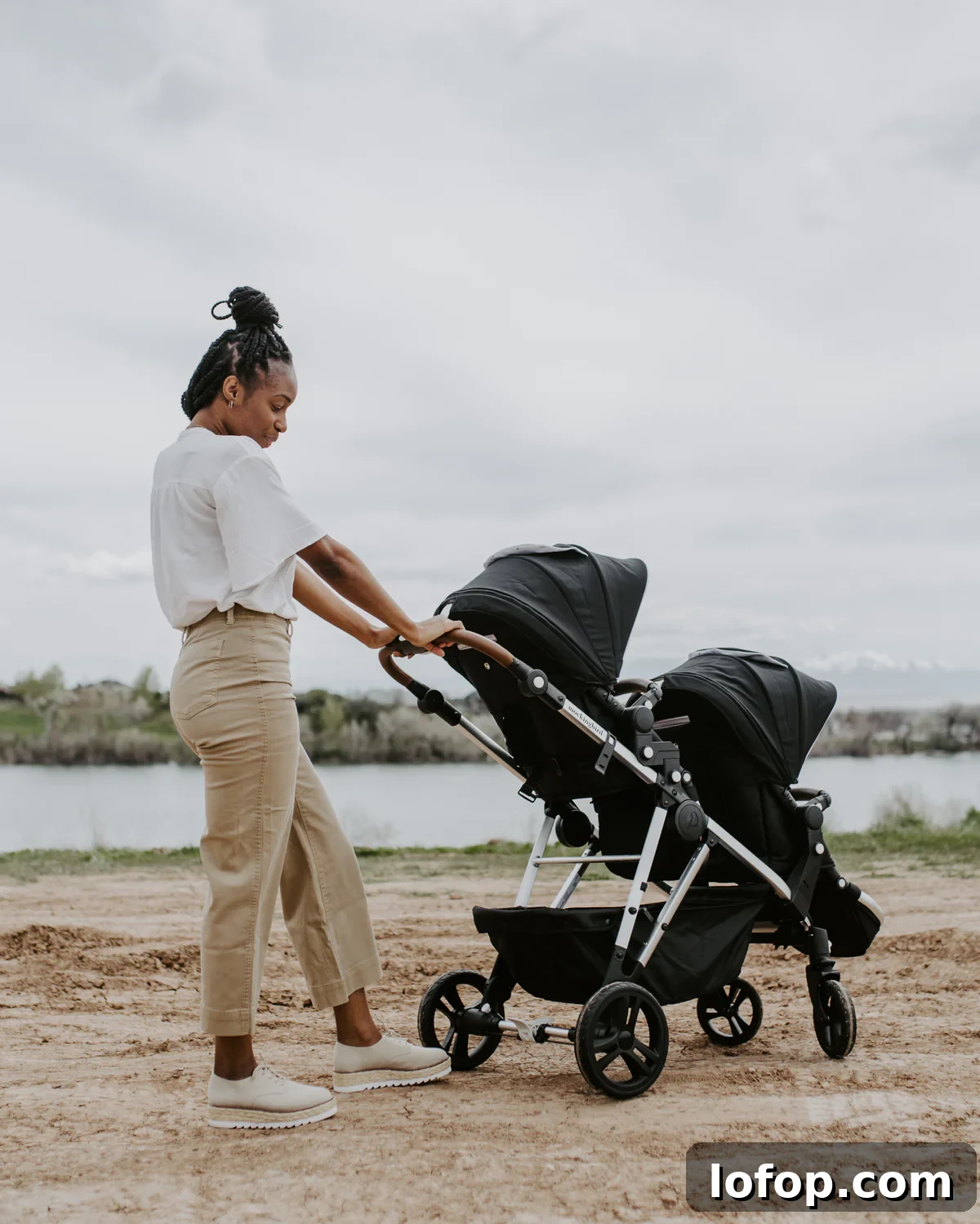
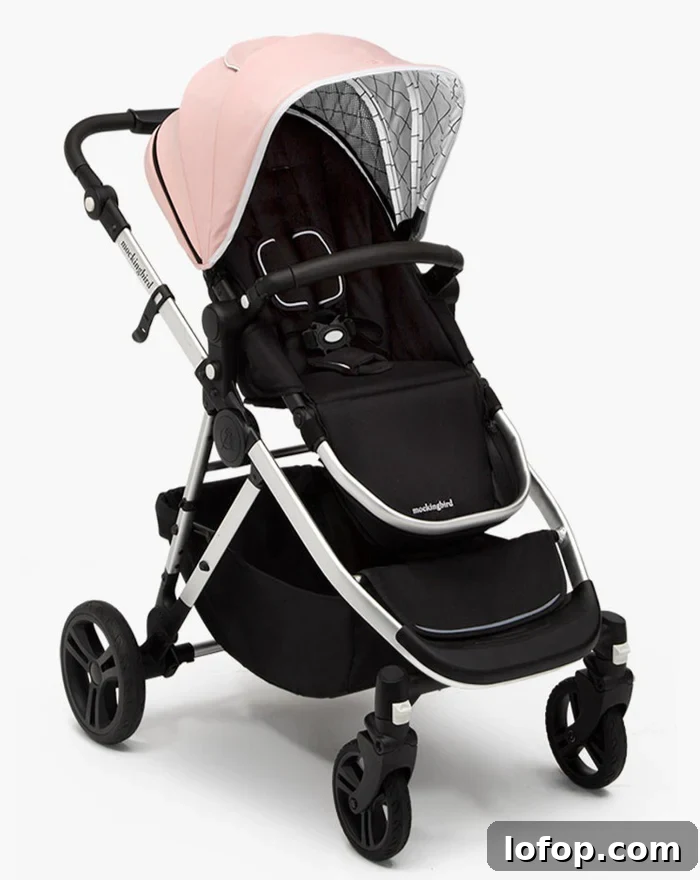
Claims: Free from PFAS, flame retardants, PVC, BPA, and phthalates. Single-to-double modular stroller with many accessories and a one-hand fold. Price point around $450.
Mockingbird’s modular design allows expansion with a second seat kit and riding board; it also offers an attachable bassinet and car seat adapter. The brand emphasizes durability testing, a 30-day trial, and a limited lifetime warranty.
Nuna
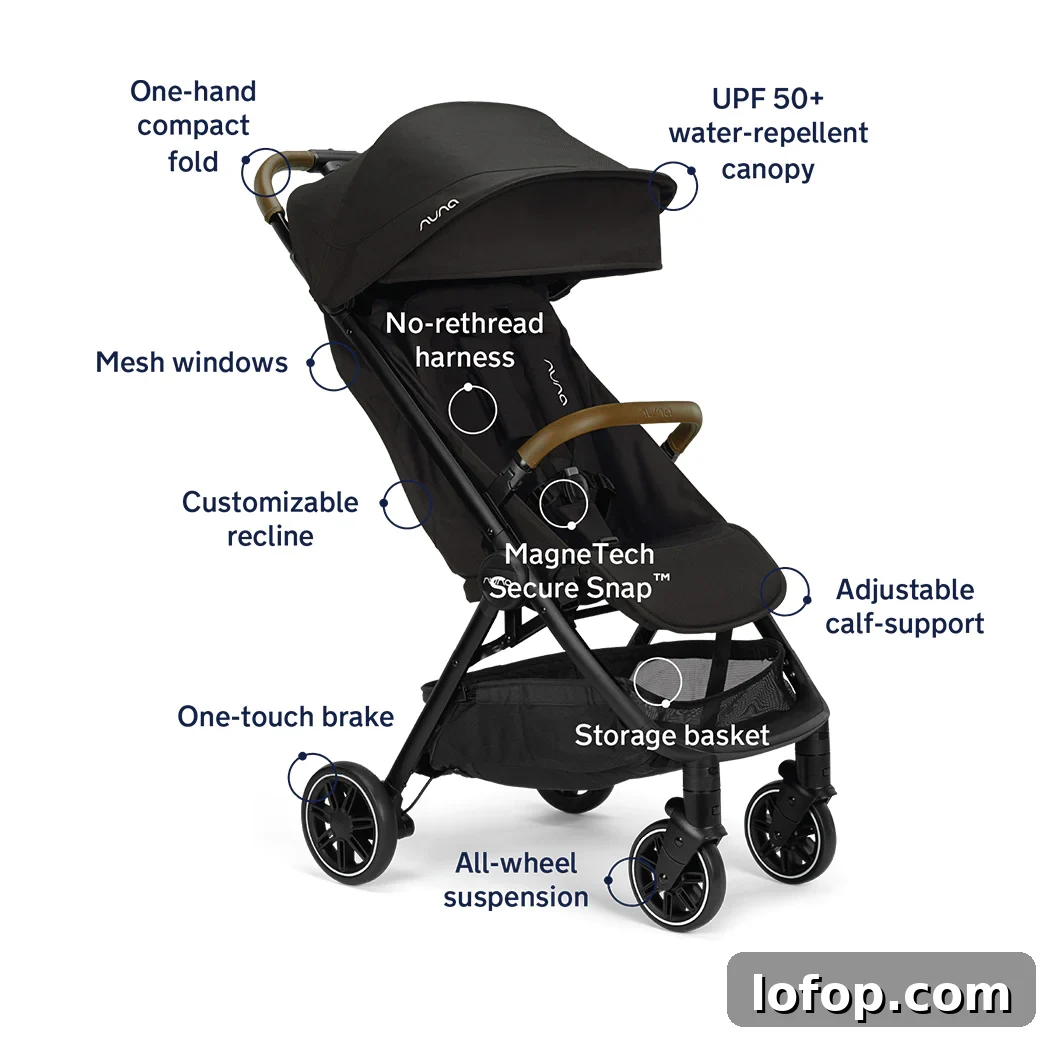
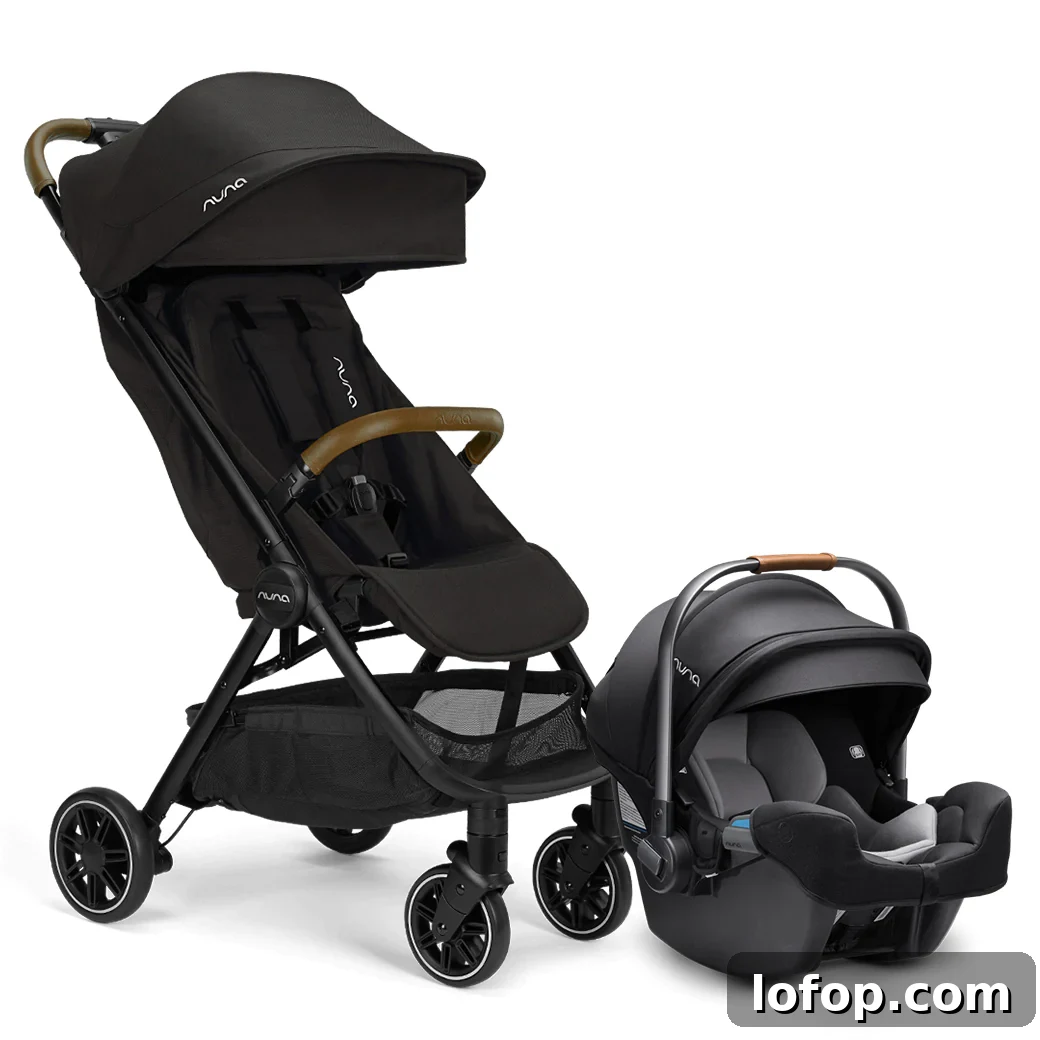
Claims: PFAS-free, flame-retardant-free options, and limits on VOCs. Nuna makes single, travel, convertible, and travel-system strollers with GREENGUARD Gold certifications on many items. Price range $500–$1,200.
Nuna has engineered car seats and strollers to meet U.S. flammability standards without added flame retardants, making them a strong option for full travel systems. Many Nuna liners and accessories use organic cotton and TENCEL.
Guava
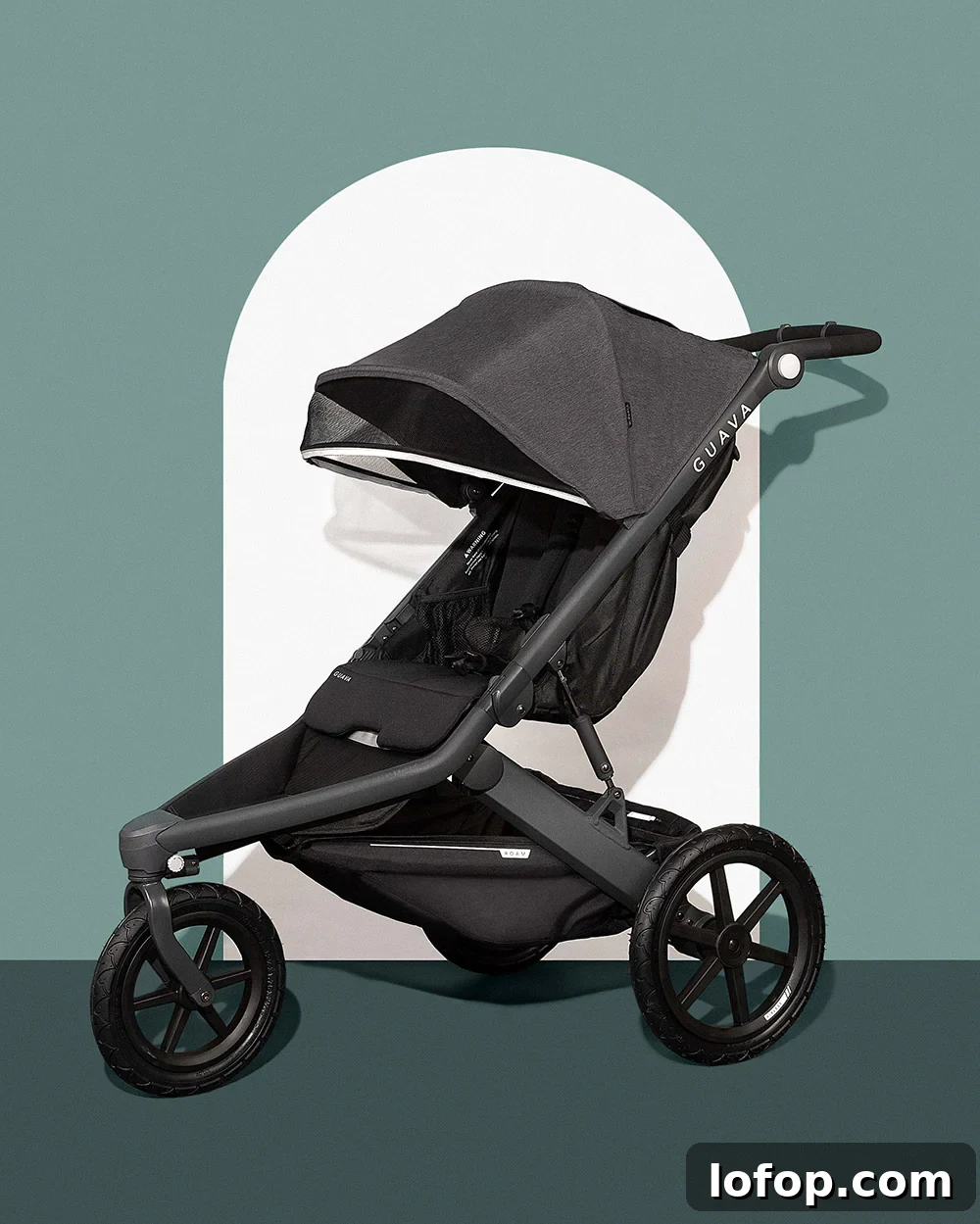
Claims: Flame retardant- and PFAS-free; Roam stroller is a crossover/jogger with GREENGUARD Gold certification. Price around $650.
Guava avoids waterproofing and stain chemicals to ensure no PFAS; their fabric’s tight weave and a polyurethane (PU) backing provide weather resistance. Note: Guava uses FR-free polyurethane foam padding. The Roam folds compactly and includes airless tires, independent suspension, and a 60-day test-ride policy.
Chicco
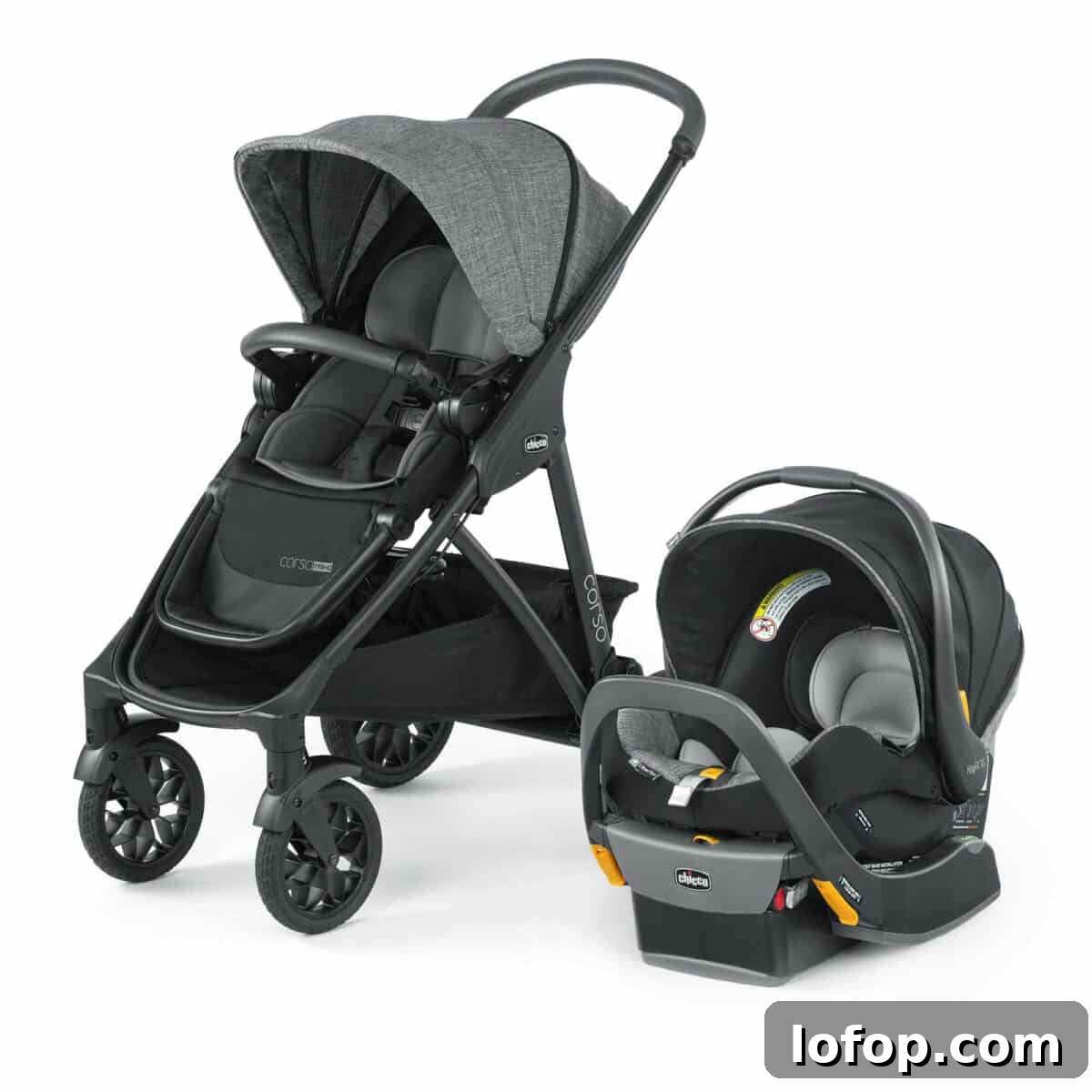
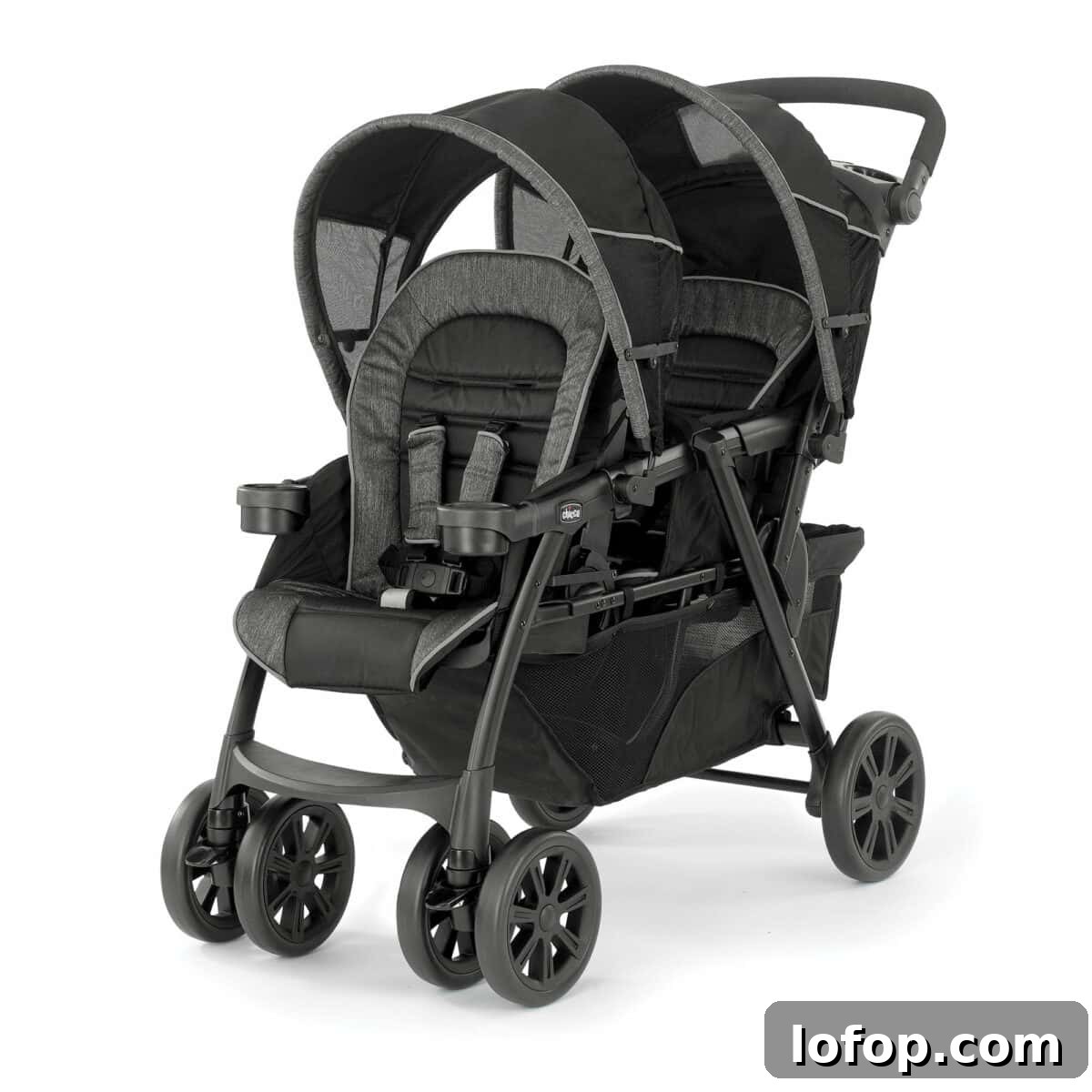
Claims: Intentionally added flame retardants and PFAS have been removed from many stroller lines; products are also free from BPA and phthalates. Price range $110–$400 depending on model.
Chicco offers a wide selection of stroller types—lightweight umbrella models, full-size strollers, jogging options, and travel systems. For FR-free car seat fabric look for ClearTex models; check product specs for PVC content on individual models.
Bugaboo
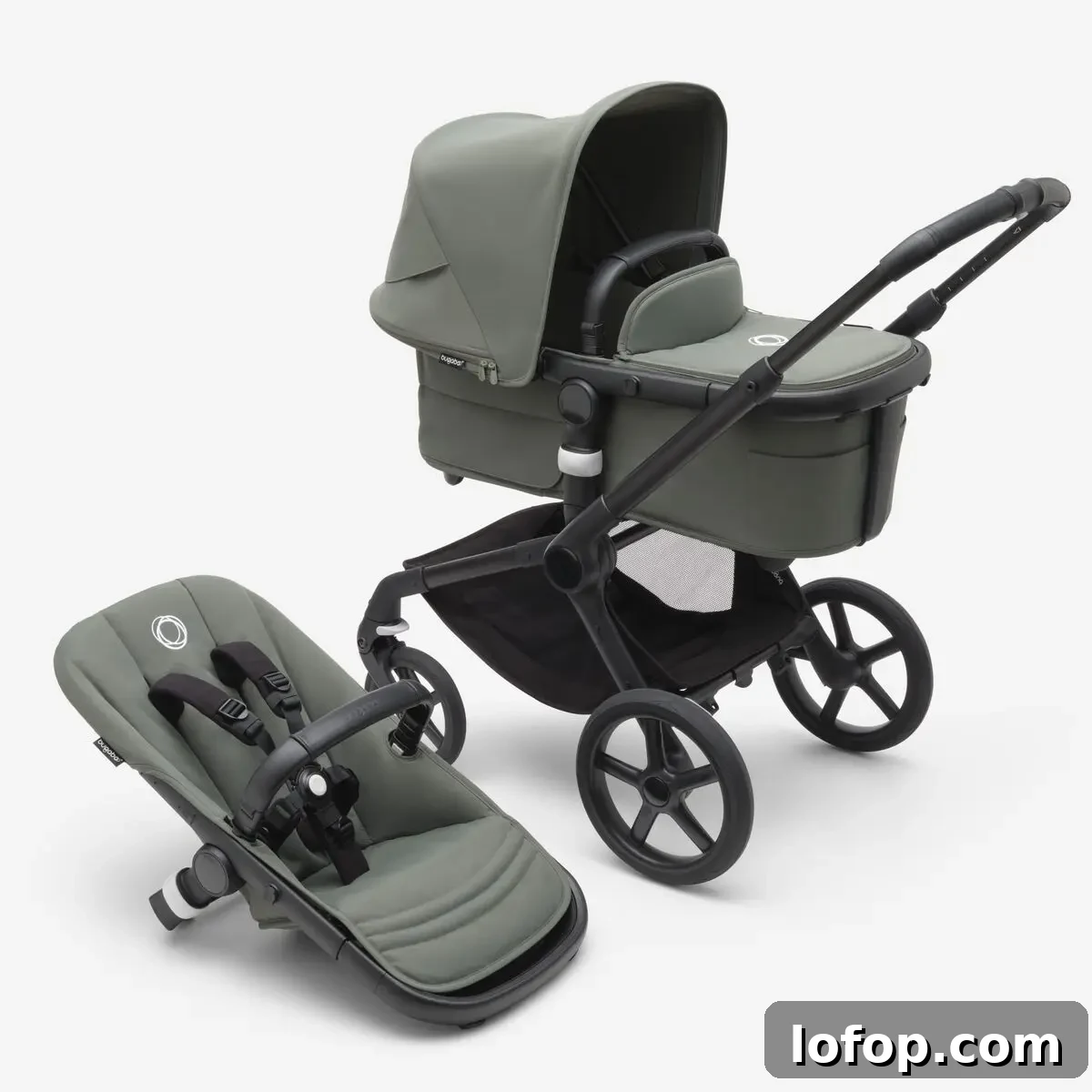
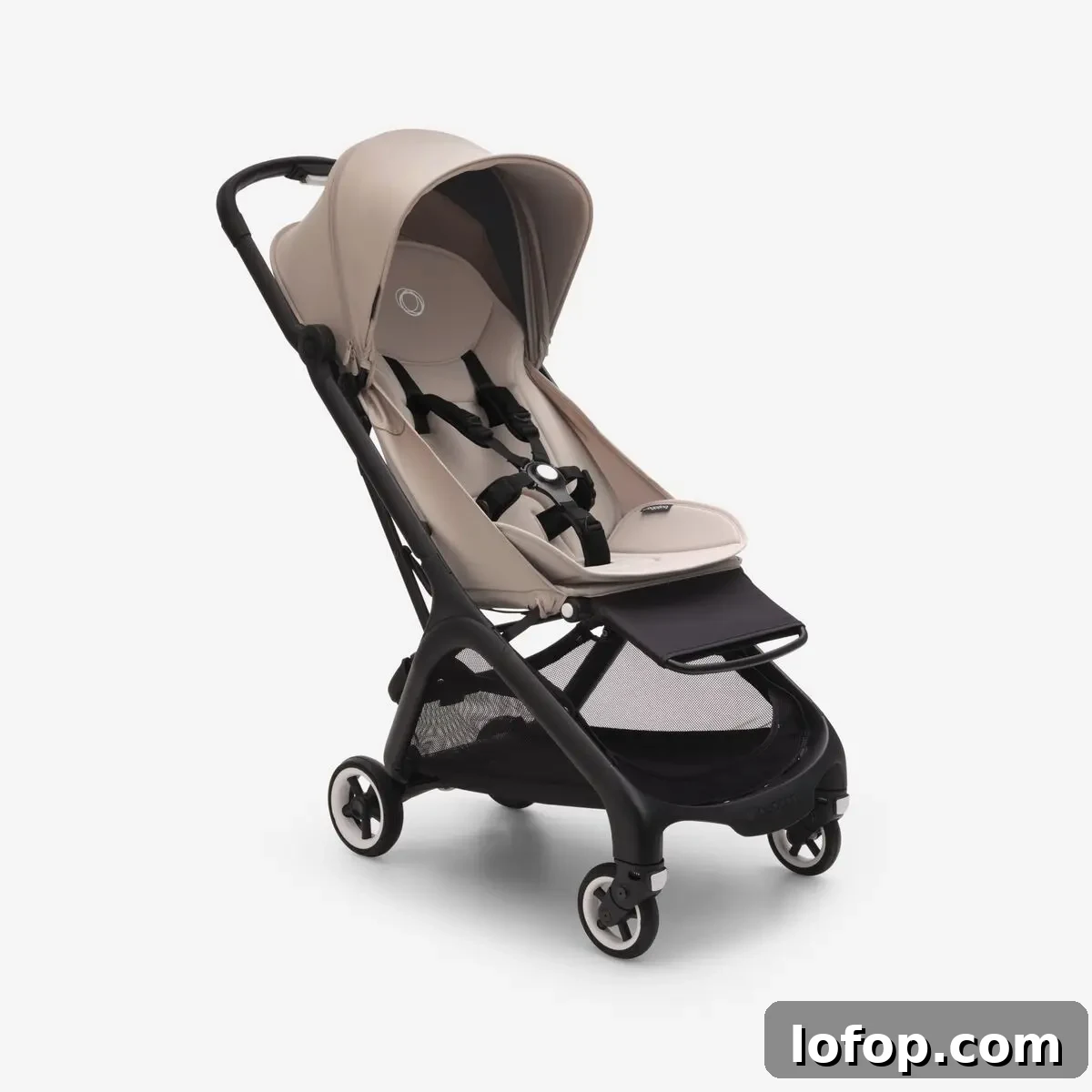
Claims: PFAS-free and FR-free for products sold in the U.S.; wide range of stroller types. Price range $1,300–$2,198.
Bugaboo completed a PFAS phase-out in 2023 and confirms U.S. products are free of added flame retardants. Their strollers are highly customizable with many fabric and color options.
Bombi
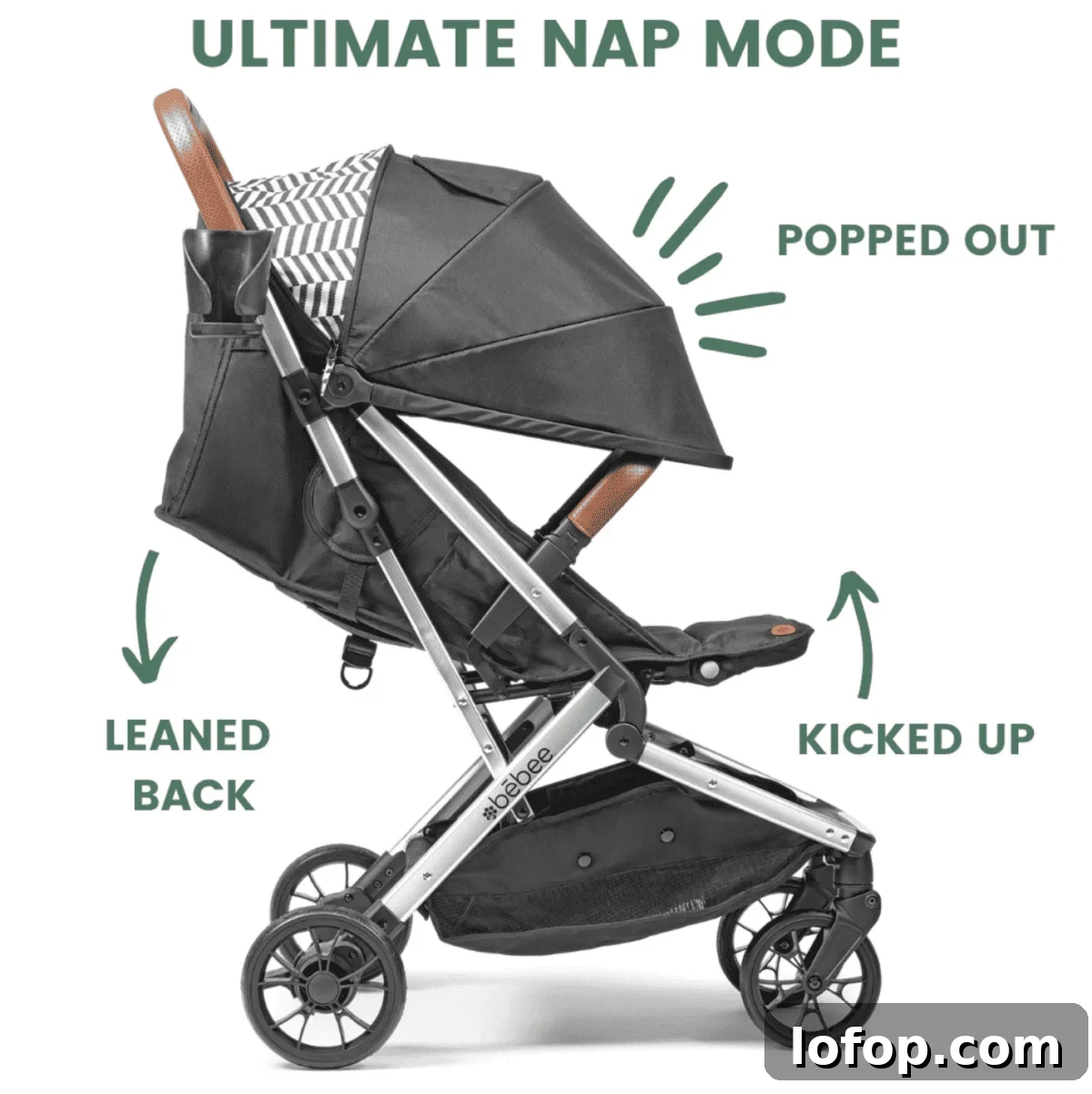
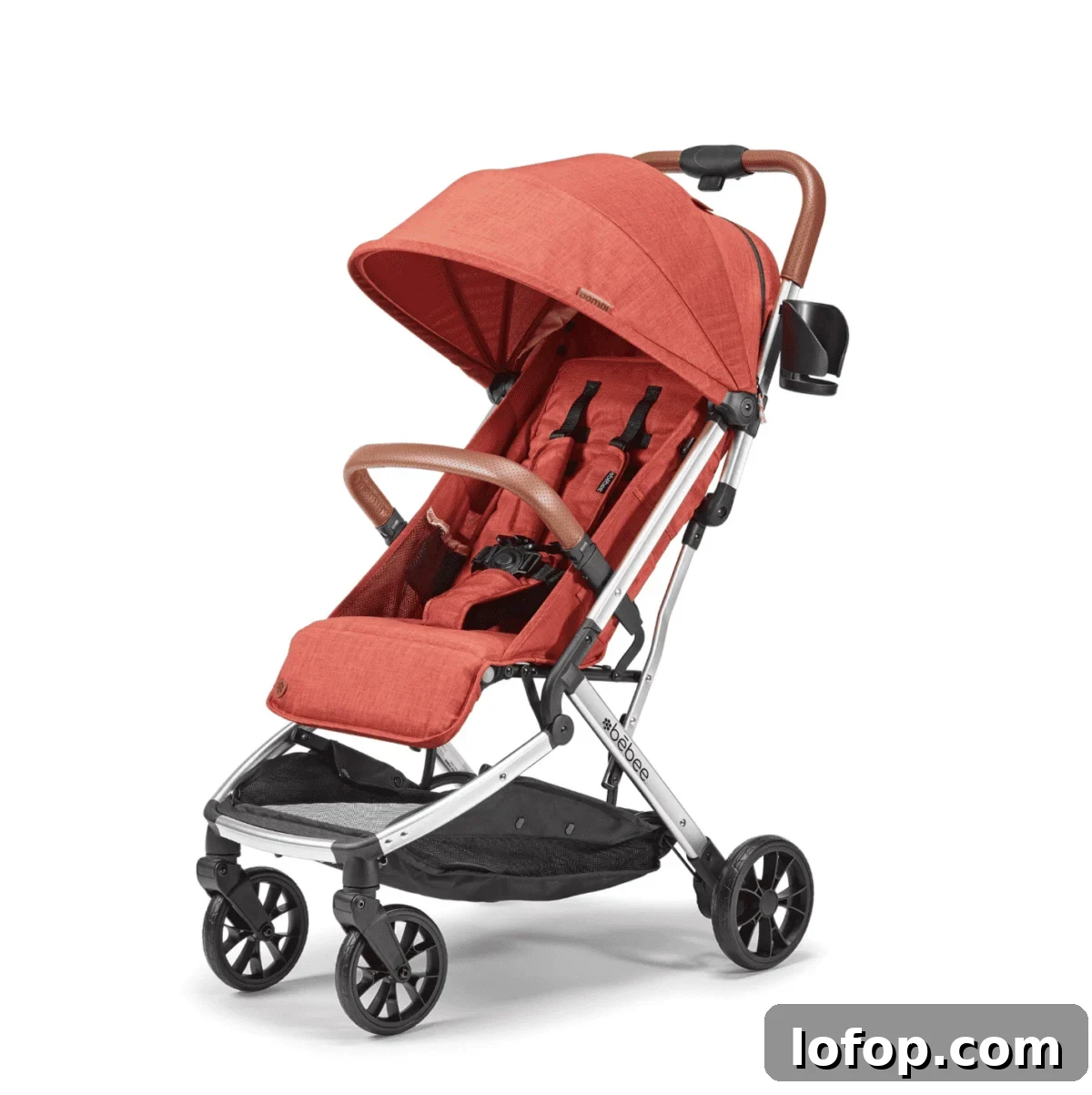
Claims: No added flame retardants, PFAS, or polyurethane foam. Single model lineup with a lightweight travel stroller around $200.
Bombi avoids DWRs and uses recycled materials for fabrics. Their Bēbee stroller includes a one-handed fold, large UV canopy, five-point harness, and several accessories. Note: the rain cover uses PVC, so check parts if you’re avoiding PVC.
Joolz
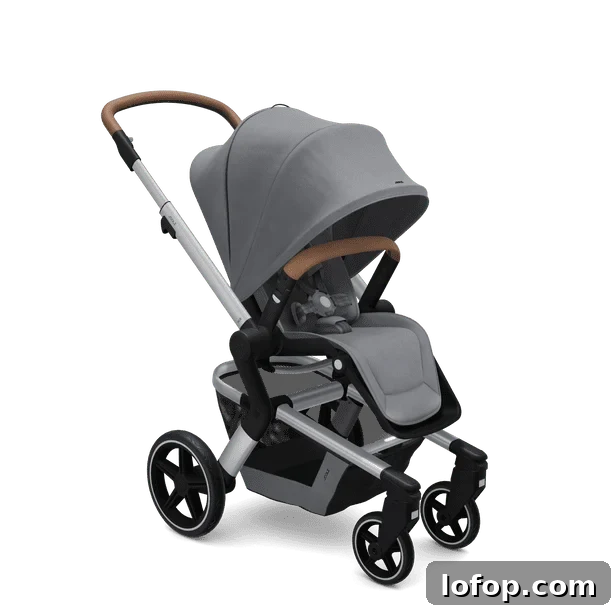
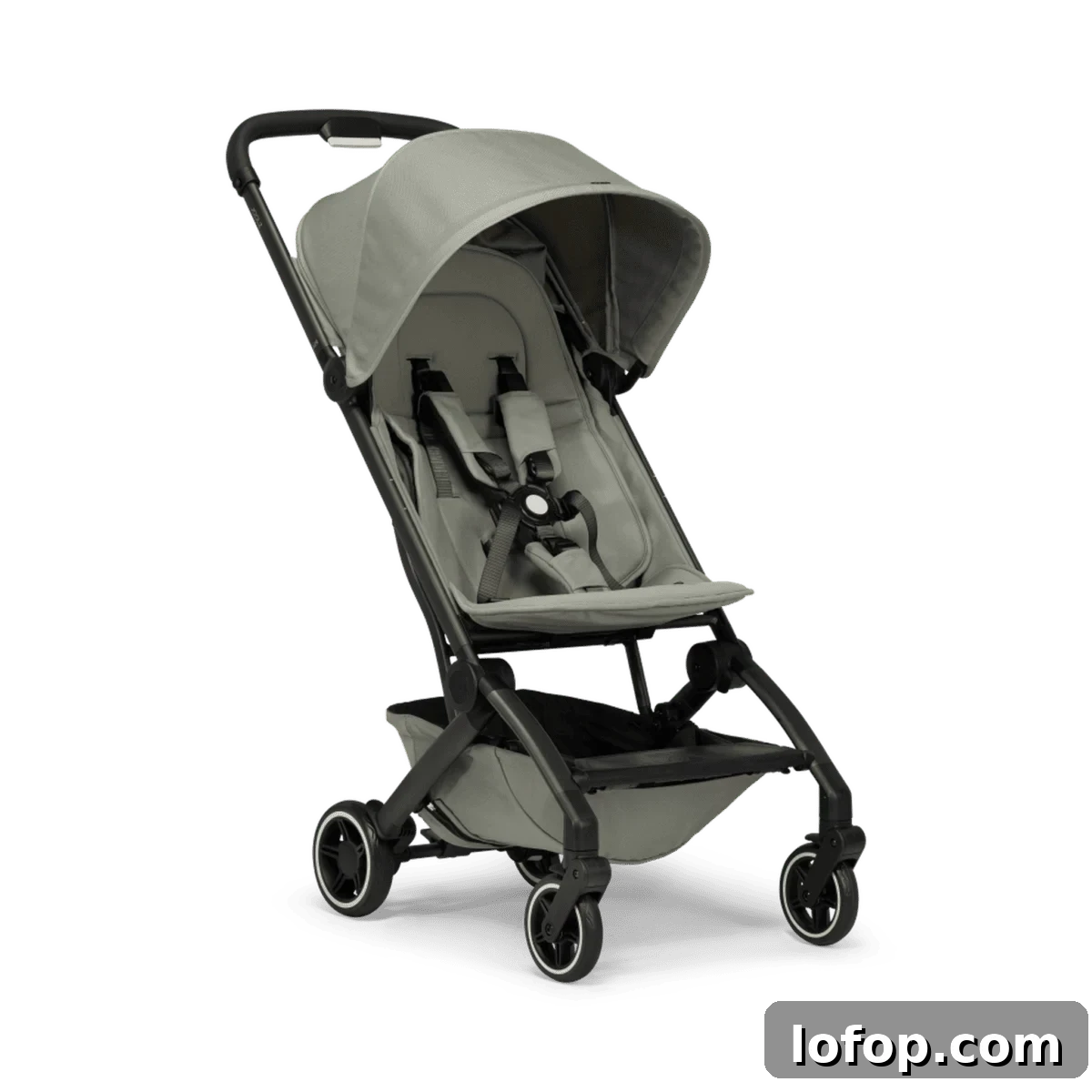
Claims: Free from added flame retardants, PFAS, phthalates, and BPA. Models include everyday city strollers, bassinet options, and lightweight travel strollers. Price range $449–$1,099.
Joolz offers several FR- and PFAS-free strollers, many with newborn-ready bassinets and convertible functionality. They provide a 10-year transferable warranty and plant a tree with each purchase.
Zoe
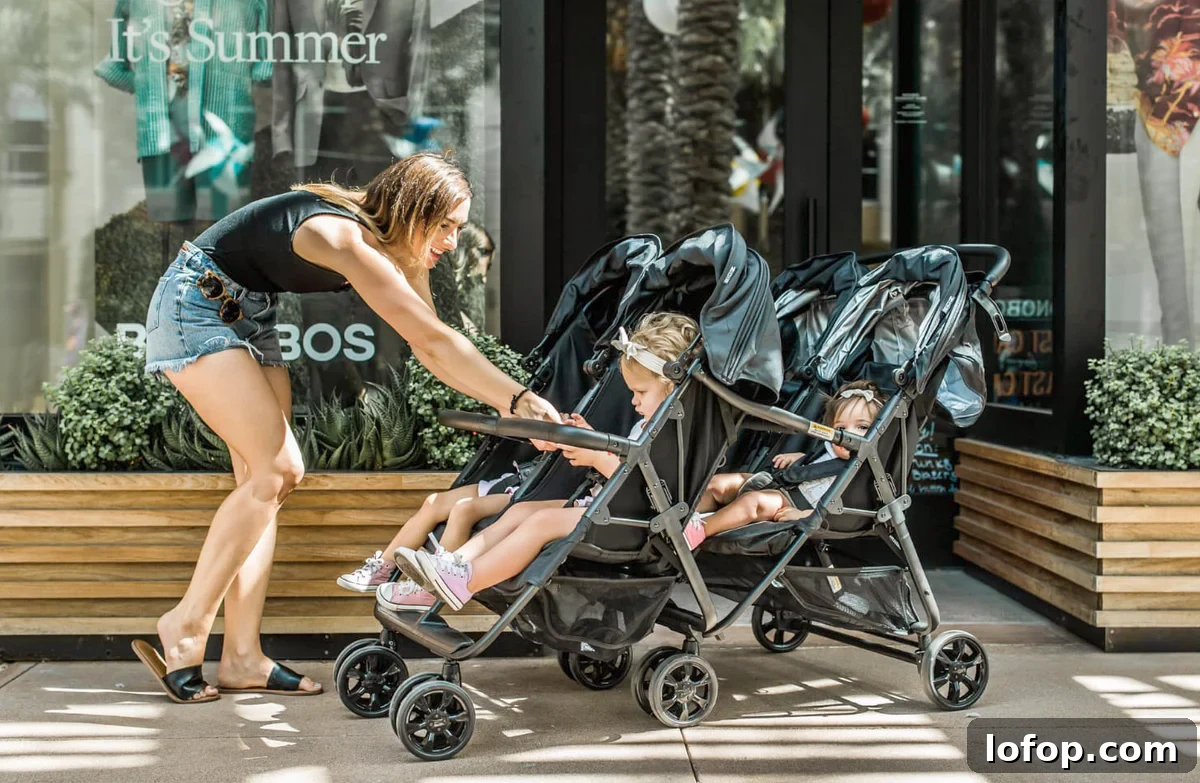
Claims: Free from added flame retardants, PFAS, BPA, pesticides, phthalates, polyurethane foam, and formaldehyde. Wide range of single, double, triple, and quad strollers. Price range $249–$649.
Zoe focuses on modular, lightweight designs that scale for growing families. They use recycled and food-grade plastics for structural parts and a 600D PU-coated fabric for water resistance rather than PFAS treatments. Many models fold with one hand and meet amusement park size requirements.
Greentom (Only Available in Europe)
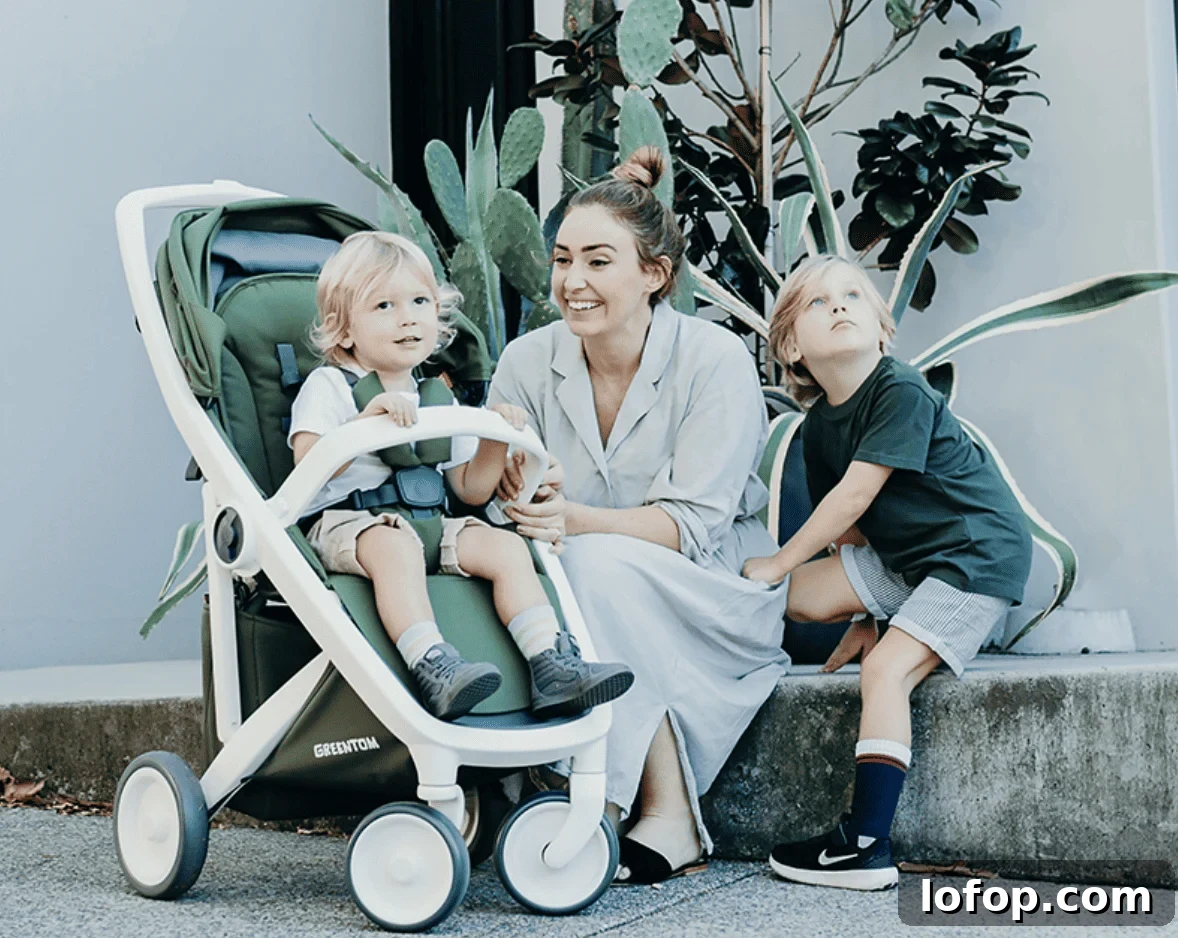
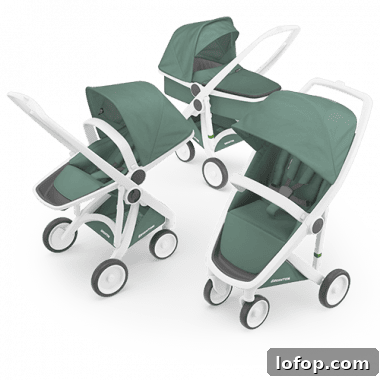
Claims: Free from flame retardants, PFAS, BPA, phthalates, and PVC. Modular, recyclable frames and OEKO-TEX/GOTS-certified organic wool mattress options. Price starts around €279.
Greentom uses a PU coating instead of PFAS for water resistance and offers a lifetime warranty. U.S. buyers may find Greentom secondhand on resale platforms.
Other Strollers I Looked Into
Brands researched but not recommended as clearly PFAS/FR-free include:
- Britax/BOB: Free of flame retardants but unclear on PFAS—brand communication about DWR formulations was limited.
- Graco: Appears to still use PFAS and flame retardants in many models.
- Joovy: Free of flame retardants, BPA, and phthalates, but not PFAS-free as of late 2023.
- Maxi-Cosi: Some accessories are FR-free; PFAS status on broader product lines remains unclear.
- Mountain Buggy / phil&teds: Manufacturer response indicated DWR treatments might contain PFAS.
- Naturkind: Not PFAS- or FR-free and currently ships only in Europe.
- Silver Cross and Stokke: Mixed or unclear responses on full product lines; some items may be PFAS-free but confirm with the brand.
- UPPAbaby: Some models are FR-free and they say they don’t use PFAS on car seats and liners, but product specifics vary.
Do Newborns Need a Special Stroller?
Newborns don’t need an entirely different stroller, but they do need appropriate support. Look for strollers that offer a fully reclining seat, a bassinet attachment, or car-seat compatibility so infants can lie flat or be secured safely. Five-point harnesses, supportive padding, and head/neck support are essential for newborn safety.
Want to learn more about how to reduce PFAS in your life?
If you’d like to dive deeper into PFAS—how they’re used, common consumer exposures, and practical steps to reduce them—you may consider dedicated resources or courses that cover testing, product choices, and everyday strategies to lower exposure.
I hope this guide helps you choose a stroller that balances material safety with the features you need so you can stroll confidently with your family.
If you’d like regular updates on non-toxic products and tips, consider signing up for relevant newsletters from trusted resources.