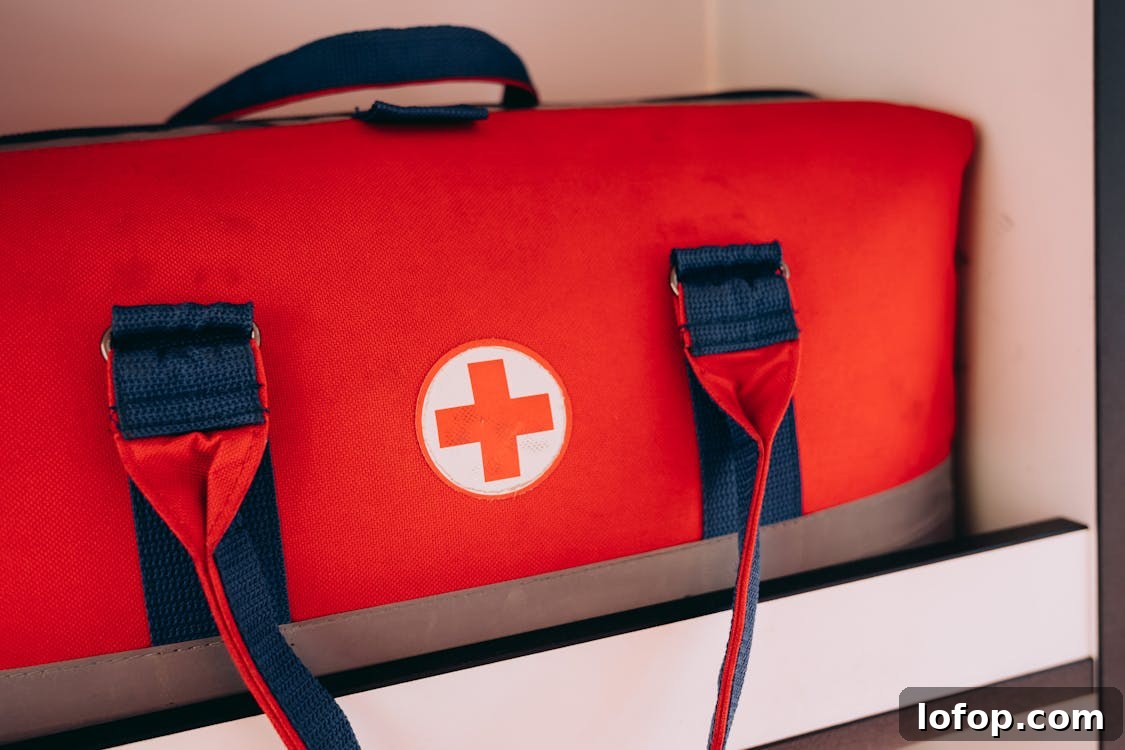
Keeping our families safe starts with mastering basic first aid. Everyday accidents happen at home, in the garden, on the playground, or while cycling. In the moments before professional help arrives, knowing how to respond can change an outcome.
Below is a concise guide to first aid basics every parent should know. These are practical, evidence-based steps you can use to stabilize an injured person and protect them until emergency responders arrive.
Understanding CPR
Cardiopulmonary resuscitation (CPR) is a critical skill in cases of sudden cardiac arrest. Quick, effective chest compressions can sustain life by maintaining blood flow to vital organs until professional care takes over.
Key points:
- Starting CPR immediately can significantly improve survival odds for someone in cardiac arrest. Quick action matters.
- Perform chest compressions in the center of the chest, pushing hard and fast at a rate of about 100 to 120 compressions per minute. A common mnemonic is to time compressions with a steady beat.
- If you are untrained or uncomfortable providing rescue breaths, hands-only CPR (continuous chest compressions) is an effective alternative for adults in sudden cardiac arrest.
- Learning certified CPR steps through a recognized course gives you the practical skills and confidence to act correctly under pressure.
Dealing with Bleeding
Controlling bleeding is essential after a cut or wound. The goal is to stop blood loss, reduce the chance of infection, and support healing.
Essential actions:
- Apply firm, direct pressure to the wound using a sterile dressing or clean cloth. Maintaining pressure is the most effective first step for most bleeding.
- If possible, elevate the injured limb above the level of the heart to reduce blood flow to the wound.
- Use sterile dressings, hemostatic agents, or clean cloths as needed. Replace soaked dressings with fresh ones while maintaining pressure.
- For severe extremity bleeding that cannot be controlled with direct pressure, a properly applied tourniquet can be lifesaving. Learn correct tourniquet use from a trusted training provider.
Familiarize yourself with these techniques, especially if your home has common hazards such as kitchen knives or garden tools. Keep a well-stocked first aid kit accessible and know where it is stored.
Final Thoughts
These are a few core first aid principles that can make a real difference: be prepared, stay calm, and act promptly. In any serious situation, call emergency services right away while providing the appropriate first aid. Regular training refreshers and maintaining a basic first aid kit at home and in vehicles will help you respond effectively when it matters most.
Ears Unleashed: The Ultimate Guide to Overcoming Hearing Challenges
Expert Tips on How To Protect Your Business in Case of an Accident
WeightWatchers Friendly Chicken Recipes (With PointsPlus and SmartPoint Values)
Ultimate Gift Guide for Anxious Teens (and Adults!)