
Balancing family responsibilities with earning an income can be a challenge for many mothers, but remote work options today make it possible to do both. Transitioning to a work-from-home role brings flexibility, but knowing where to begin can feel overwhelming. This guide will help you find suitable positions, build a productive home workspace, and manage both work and family life effectively.

1. Assess Your Skills and Strengths
Begin by listing the skills you’ve developed through previous jobs, volunteer roles, or managing a household. These can include organization, budgeting, communication, writing, or technical abilities. Capturing everything that comes to mind helps you identify job types that match your strengths.
Think about how those skills translate to remote roles. If you’re highly organized, administrative or virtual assistant work could suit you. If you have experience with numbers or programming, data and analytics roles might be a good fit. Careers in tech and analytics often offer remote opportunities and room for long-term growth.
2. Create a Strong Resume
With your skills identified, update your resume to highlight the most relevant experience for remote work. Aim for clarity and focus so hiring managers can quickly see how you fit the role.
- Use action verbs: Start bullet points with words like “managed,” “coordinated,” or “implemented” to show impact.
- Emphasize remote-friendly skills: Include experience with digital communication, time management, and tools such as email platforms, spreadsheets, or project-management software.
If you need help formatting or organizing your resume, use a reputable resume template or builder to present your experience professionally and concisely.
3. Choose the Right Work-from-Home Job Type
Remote positions vary widely, so choose roles that fit your schedule and strengths. Common remote jobs that appeal to moms include:
- Virtual Assistant: Managing calendars, email, and administrative tasks—good for organized communicators.
- Customer Service: Assisting customers by phone, email, or chat; requires patience and clear communication.
- Freelance Writing or Editing: Content creation and editing offer flexibility and can often be scheduled around family needs.
- Data Entry: Task-focused work that can be scheduled flexibly and suits detail-oriented people.
- Teaching or Tutoring: Remote tutoring or teaching roles suit those with an education background and allow for flexible hours.
Review each role’s time requirements and responsibilities. Some positions, like customer support, may need set shifts, while freelance work typically offers greater scheduling freedom.
4. Search for Reliable Remote Job Boards
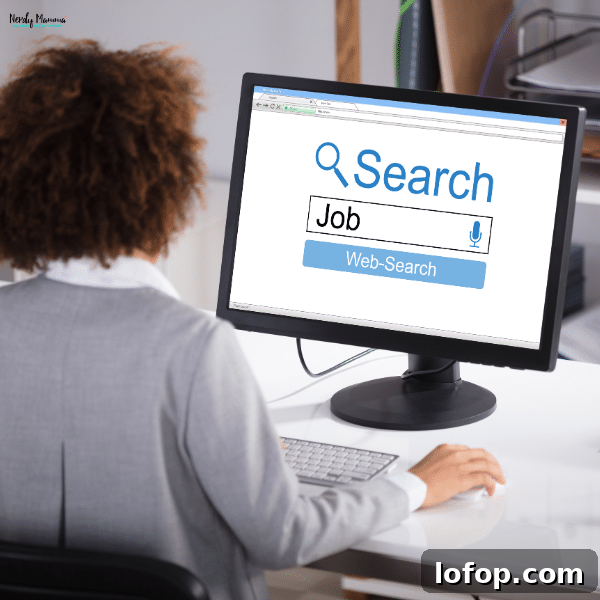
Use job boards that specialize in remote work to find legitimate opportunities. Sites that curate remote listings can reduce the risk of scams and help you find roles suited to flexible schedules. When evaluating postings, avoid any that require payment upfront and research unfamiliar companies before applying.
5. Prepare for the Remote Interview Process
Most remote interviews happen over video, so practice presenting yourself professionally on camera. Create a quiet, distraction-free area for interviews and rehearse answers that highlight your remote-work skills.
Interview tips:
- Test your technology: Confirm your internet, camera, and microphone work well. A stable connection reduces the chance of technical interruptions during the interview.
- Dress appropriately: Professional attire helps set the right tone, even from home.
- Showcase remote skills: Be ready to discuss examples of time management, self-motivation, and digital communication.
When addressing employment gaps, emphasize productive activities such as household management, volunteer work, or courses you’ve completed to keep skills current.
6. Set Up a Productive Home Workspace
Designating a specific workspace helps you focus and signals to family members that you’re working. You don’t need a separate room; a quiet corner with the essentials can be enough.
- Ergonomics: Choose a comfortable chair and a desk at the right height to reduce strain during long work sessions.
- Minimize distractions: Set clear boundaries with family about work hours and interruptions.
- Basic equipment: A reliable computer, good internet, and a headset or microphone can significantly improve your remote work experience.
A dedicated workspace makes it easier to separate work from family life and supports sustained productivity.
7. Balance Family and Work Commitments
Maintaining a balance between work and family is a continual process that benefits from routines and communication. Establish a flexible schedule that accommodates your family’s needs while protecting focused work time.
Create a flexible routine: Set core working hours but build in flexibility for unexpected family demands.
Communicate clearly: Share your schedule with your partner and children so they know when you’re available and when you need uninterrupted focus.
Take regular breaks: Short breaks to rest, move around, or reconnect with family help prevent burnout and maintain productivity.
Finding the right remote job may take time and patience, but with a clear plan and the right setup, you can build a satisfying career while staying close to your family. Approach the process with confidence and allow yourself time to adapt as you find the balance that works for your household.
Table of Contents