I’m often asked many questions about my chickens, so I’ve compiled this post to answer the most common ones. I hope these practical details help anyone considering raising backyard hens.
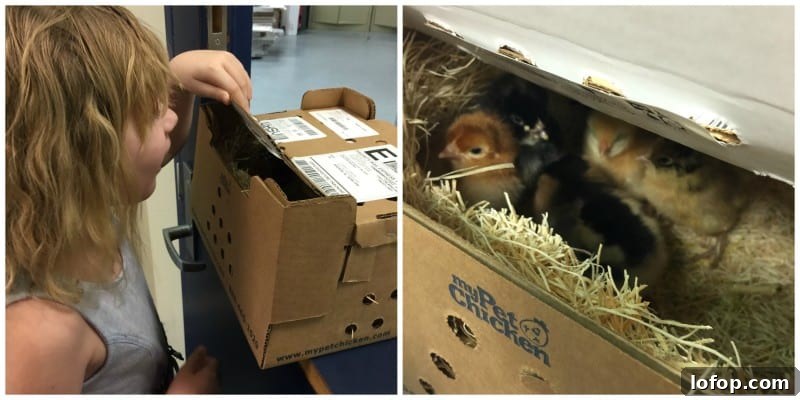
Where did you get your chickens?
I ordered my chicks from a reputable hatchery. I picked breeds for heat tolerance, reliable egg production, and the egg colors I wanted. They arrived the day they hatched in a well-prepared box with ventilation and a heat source. I collected them from the post office the following day and brought them home to start brooding.
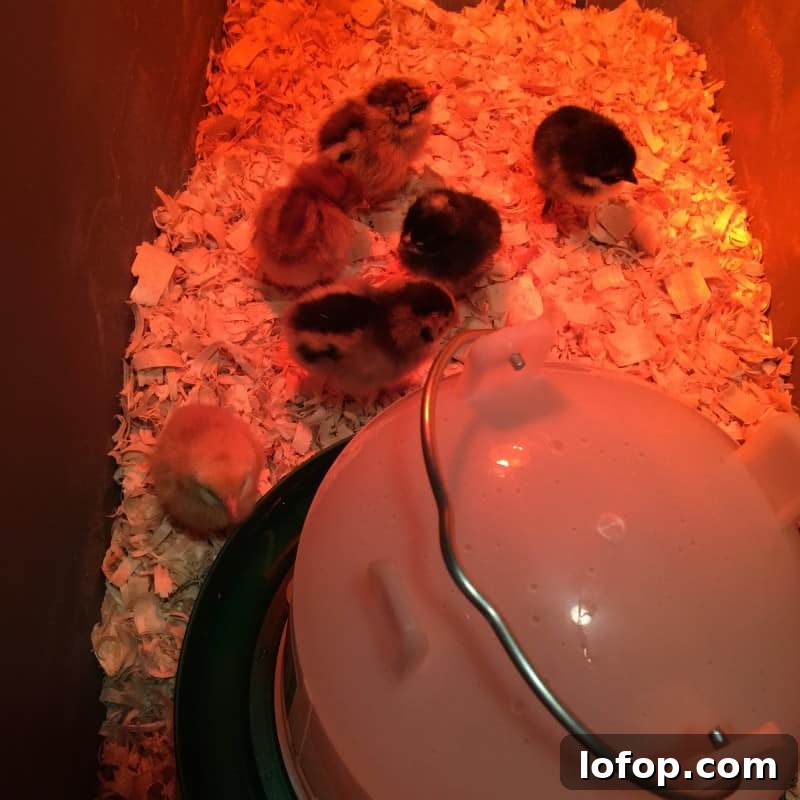
Where did you keep them when they were chicks?
They stayed indoors until they were fully feathered. I used a storage bin lined with bedding and a heat lamp above to keep them warm and safe during those early weeks.
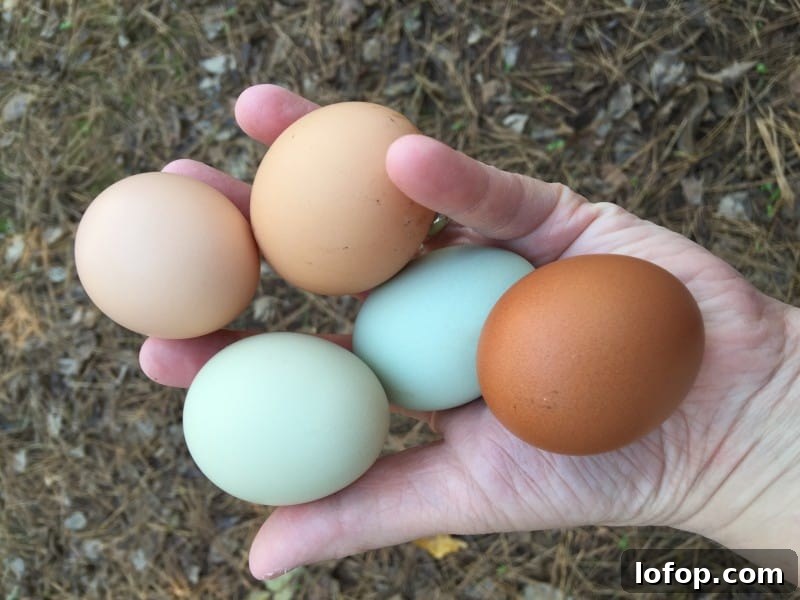
What color are your chickens’ eggs?
The photo shows the range of egg colors I collect. Egg hue depends on breed and individual birds. Later in this post I list each breed and the egg color it produces.
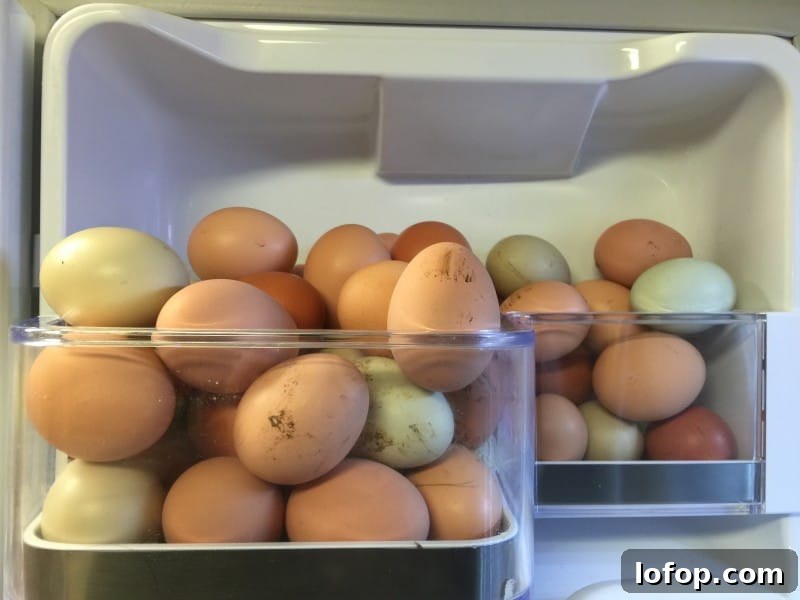
How many eggs do you get each week?
Some of my hens began laying around four months, and most were laying by six months. On average we collect six eggs per day, sometimes five. Production drops during prolonged bad weather, but most weeks we end up with roughly three and a half dozen eggs. I don’t wash eggs until just before use if they’re dirty, which helps preserve their natural protective coating and keeps them fresher longer.
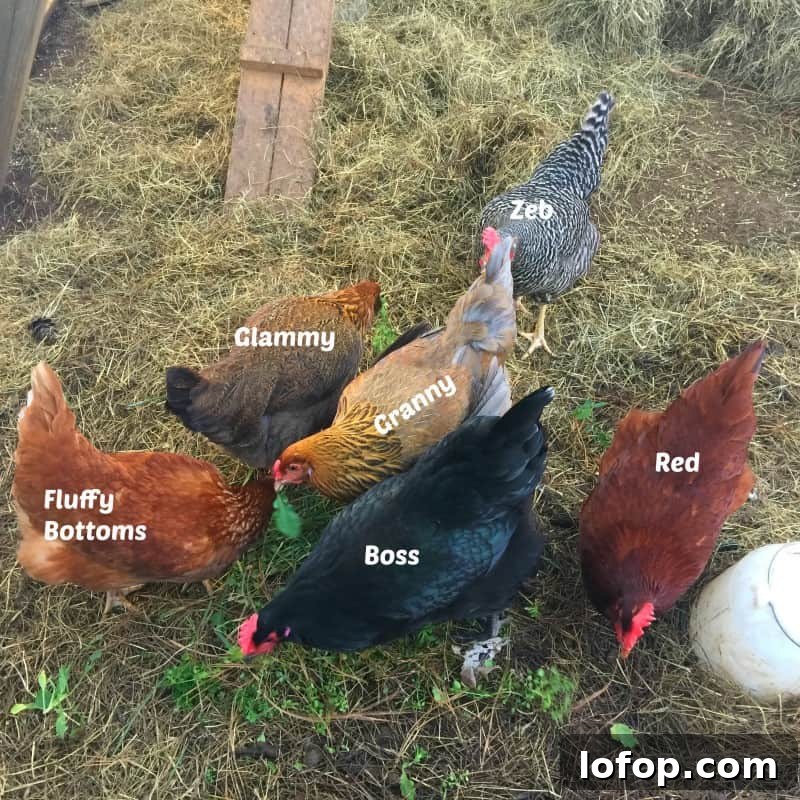
What types of chickens do you have?
I keep six hens.
Their names are Granny, Glammy, Red, Boss, Zeb, and Fluffy Bottoms.
The breeds I have are:
- 1 Rhode Island Red (Red) – light brown eggs
- 1 Barred Plymouth Rock (Zeb) – light brown eggs
- 1 Australorp (Boss) – light brown eggs
- 2 Easter Eggers (Glammy and Granny) – one lays green eggs, the other blue
- 1 Golden Buff (Fluffy Bottoms) – dark brown eggs
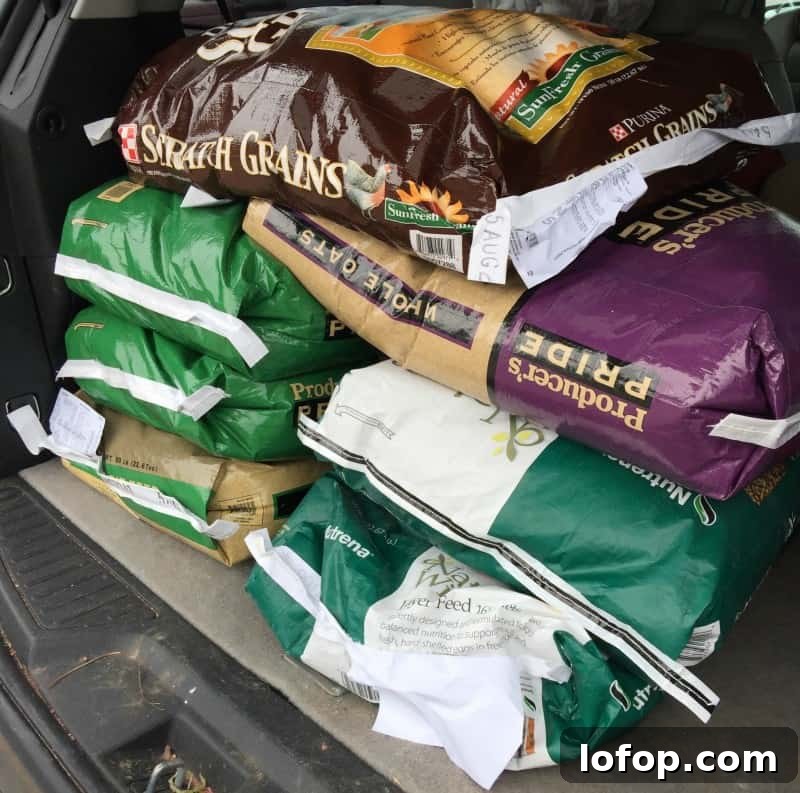
What do they eat?

I feed a commercial pellet layer feed supplemented with extra calcium. Each day I scatter a mix of dried corn, oats, nuts, and seeds on the ground as a treat. I purchase feed in bulk from a farm supply store, which reduces trips and keeps costs down. I keep about 350–500 pounds on hand at a time and estimate feed costs around $15 per month for my flock.
Every morning they get a bowl of warm oatmeal, and on pleasant days I gather clover and grass to offer as fresh foraging treats. They also enjoy apples and kitchen scraps. As a friend joked, “They’re pretty much goats with beaks.” These extras keep them entertained and supplement their diet.
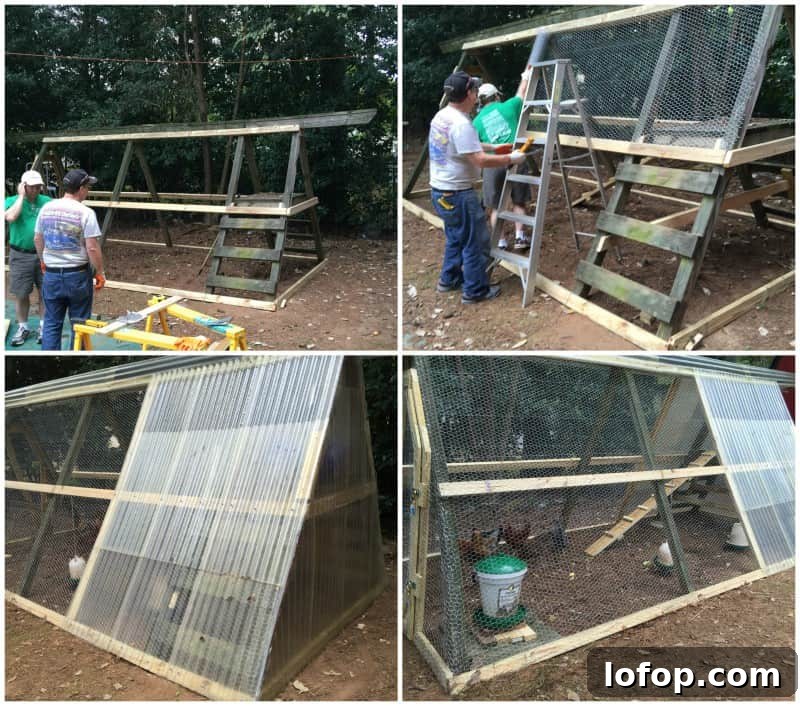
What type of enclosure do you have?
We converted an old kids’ swingset into a spacious chicken coop and run. My husband and father-in-law handled the construction; I provided moral support and the design ideas. The structure gives the hens room to move and includes nesting and roosting areas.
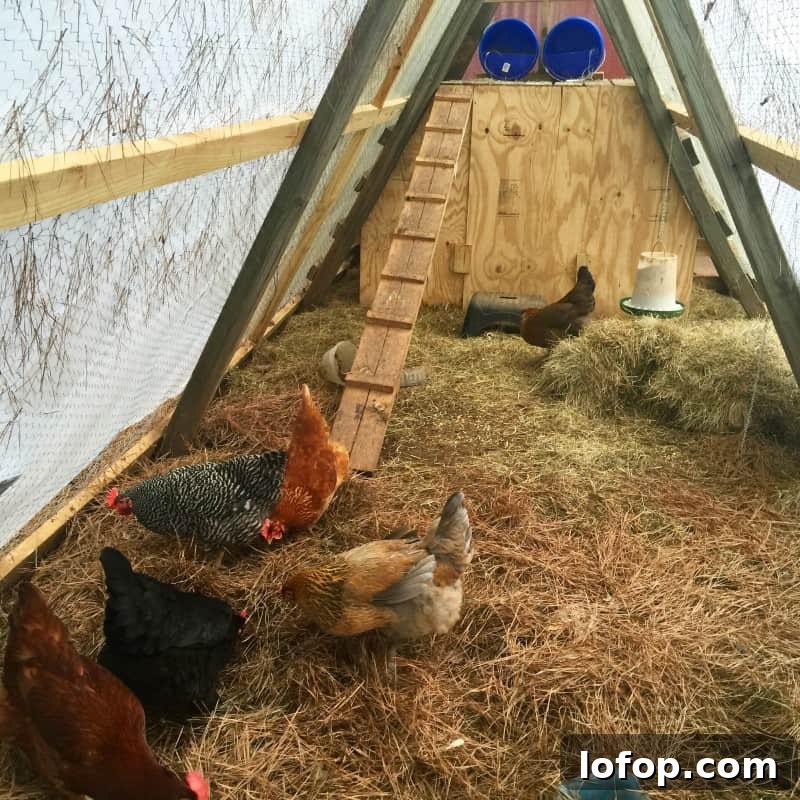
Nesting boxes and roosting area
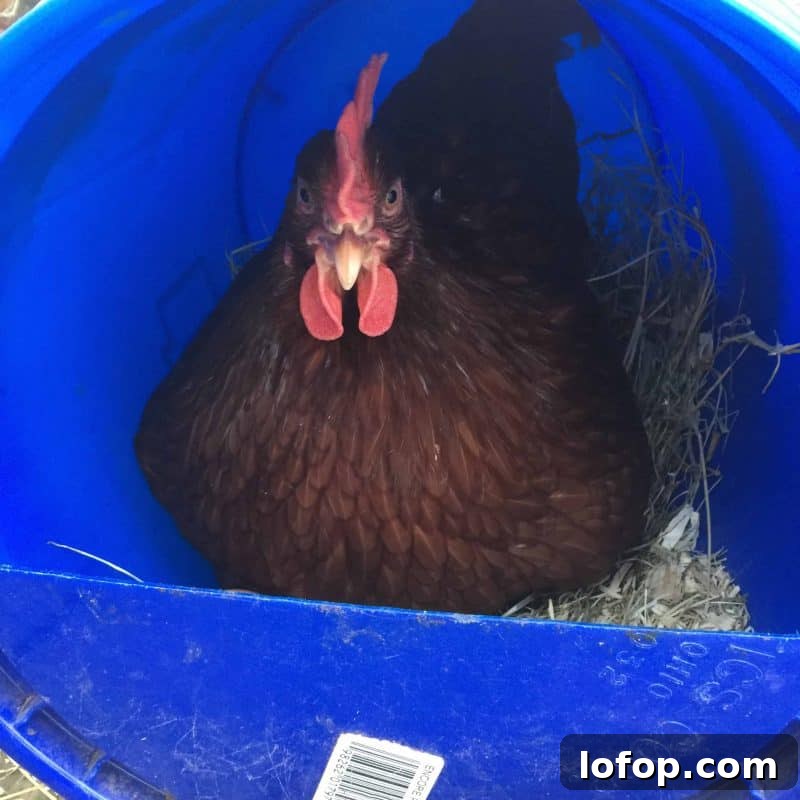
Two sturdy buckets are mounted as nesting boxes near the top of the structure, and beneath the former slide area there is an enclosed roosting space. A removable panel allows easy access for cleaning the nesting boxes. One end of the coop is fully enclosed to protect against wind and rain; in winter we add construction-grade plastic to block drafts while still allowing ventilation through the door area.
Are chickens a lot of trouble?
Chickens are among the easiest animals I’ve cared for. Daily tasks include fresh water, feed, scattering treats, and collecting eggs. Every few months I refresh the bedding—pine needles or straw depending on season—which keeps the coop comfortable and odor under control. Beyond that routine, they’re low-maintenance and very rewarding, providing fresh eggs and simple companionship.
That covers the most common questions I’m asked. If you have more, feel free to leave them in the comments. I’m happy to help where I can.