
Making your own hamburger buns is a real upgrade. These buns are soft with a balanced crumb, have a sturdy exterior and the classic seeded top. They freeze well and reheat beautifully. If you’re unsure about working with yeast, the tips below will help you succeed.
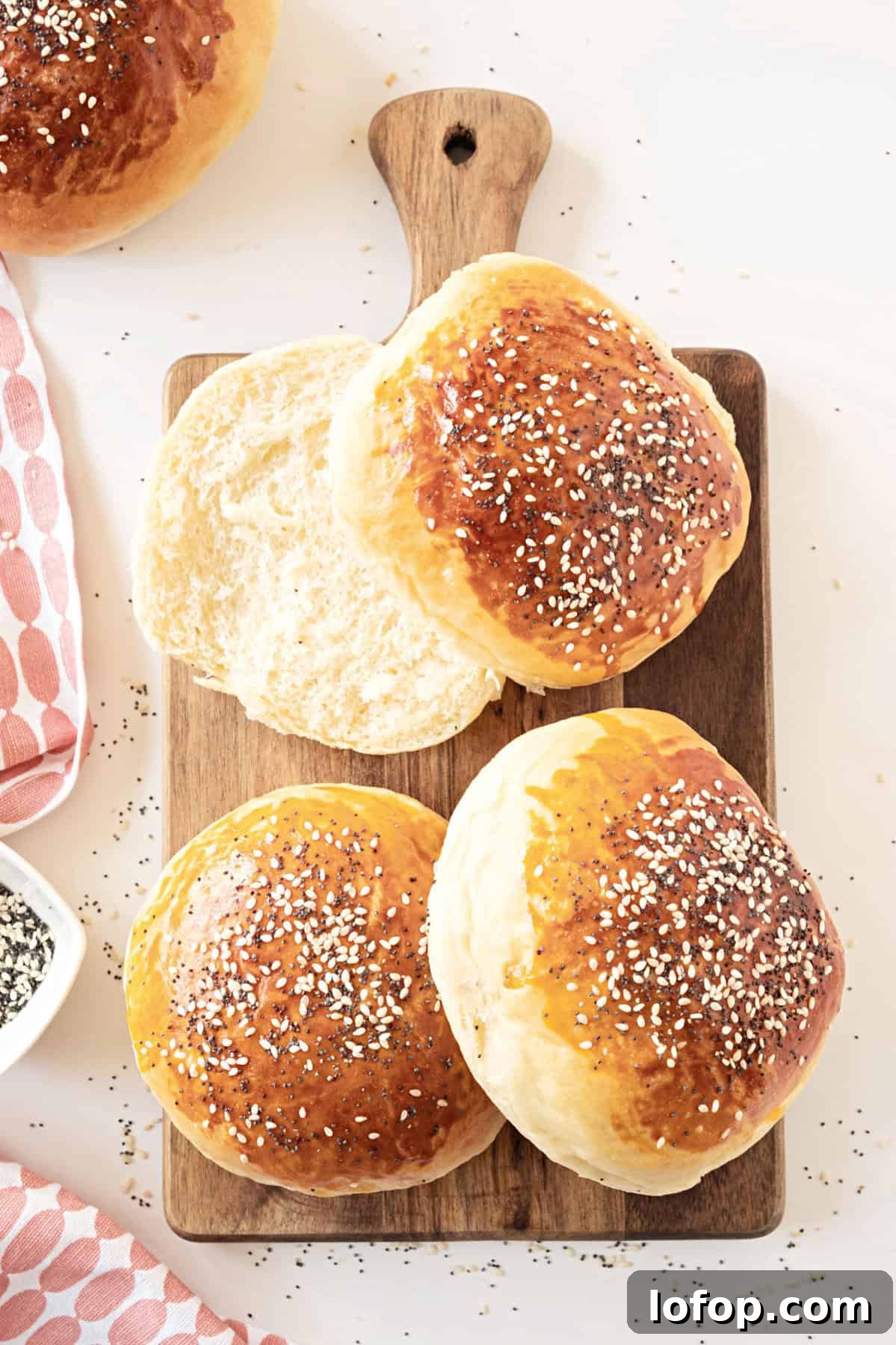
Make and freeze
With a few pantry staples and about three hours from start to finish—most of it hands-off—you’ll have golden, tender burger buns and likely wonder why you didn’t bake them sooner.
There’s something deeply satisfying about pulling warm buns from the oven; the aroma alone brings everyone to the kitchen.
Make a full batch and freeze extras. Reheat as needed. This same dough can be shaped into smaller slider buns or longer rolls for hot dogs.
These buns pair perfectly with meat burgers, but they’re equally good with veggie patties, pulled pork, sloppy joes or a chicken sandwich. Shape them smaller for sliders and use them for small party sandwiches.
Testing Notes
- Organization: Read the recipe through before starting. Have ingredients at the right temperatures, gather tools and plan for rising times—yeast won’t wait.
- Yeast freshness: If the yeast doesn’t foam when proofed, it’s inactive and should be replaced. Instant yeast can be used but is typically added directly to the flour rather than foamed first.
- Milk temperature: Lukewarm is key—too hot (over 120°F) will kill the yeast, too cool (under 100°F) won’t activate it properly. Use a thermometer or the wrist test: it should feel barely warm.
- Warm environment for rising: Keep dough in a draft-free spot. A bowl wrapped in a towel, an oven with the light on, or a bowl of warm water nearby helps. First rise: about 60–90 minutes until doubled; second rise: 45–60 minutes until puffy.
- Crumb amount: Burger buns shouldn’t be very airy. Aim for rounds that expand sideways more than upward so the filling is the star.
- Flour choice: Both all-purpose and bread flour work. Bread flour gives more chew and structure due to higher gluten; all-purpose is fine if that’s what you have.
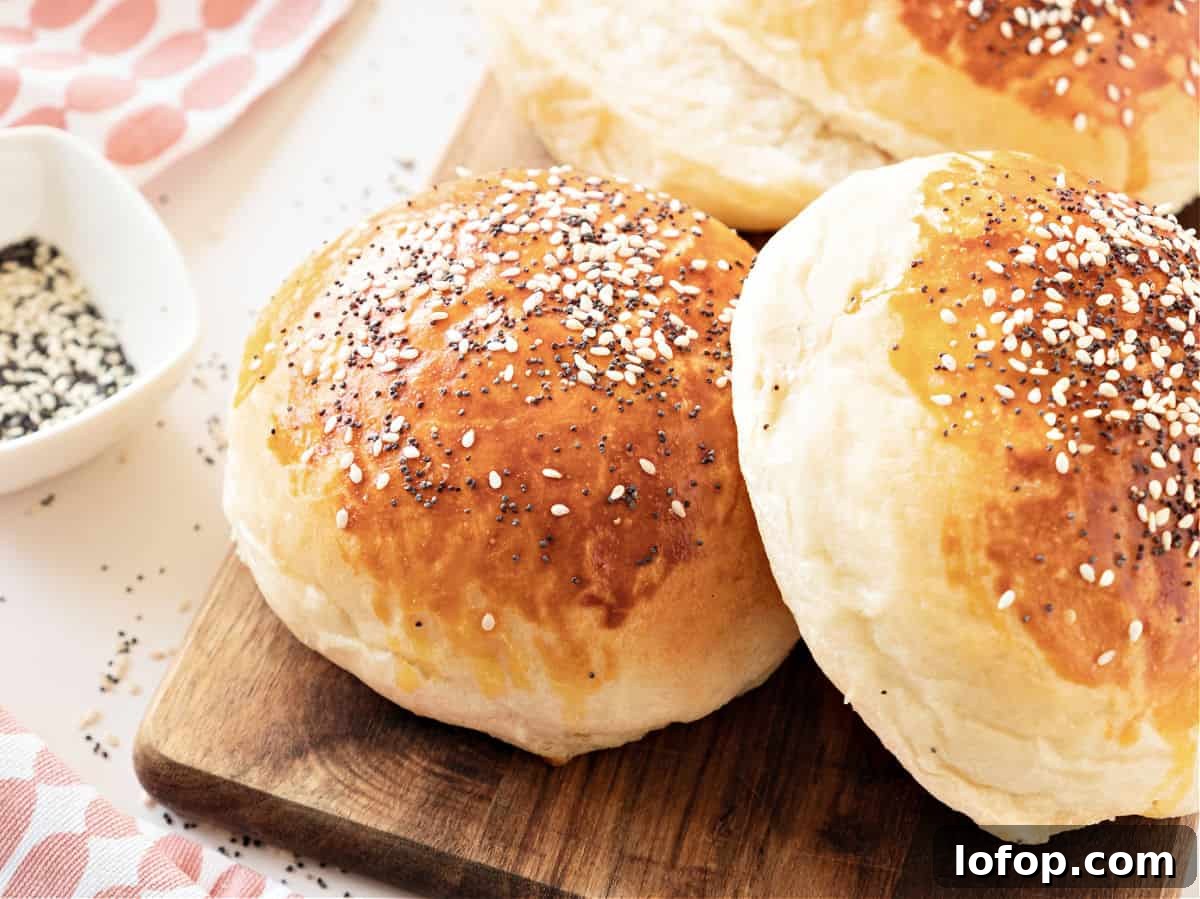
FAQ
Dense buns usually mean under-kneading, underproofing or too much flour. The dough should be smooth, elastic and slightly tacky.
Store at room temperature, tightly wrapped, for 1–2 days. Freeze extras for up to a month and reheat when ready to use.
Yes. Skipping the egg wash means a paler, less glossy top. Brushing with milk or melted butter gives a softer, less shiny finish.
Uses and variations
- Shapes: This dough can be formed into rolls, loaves, batards, baguettes, breadsticks or pizza bases.
- Add-ins: Fold in chopped herbs, sautéed onions or grated cheese for savory variations.
- Toppings: Beyond sesame or poppy seeds, try bagel seasoning, grated cheese or leave the tops plain.
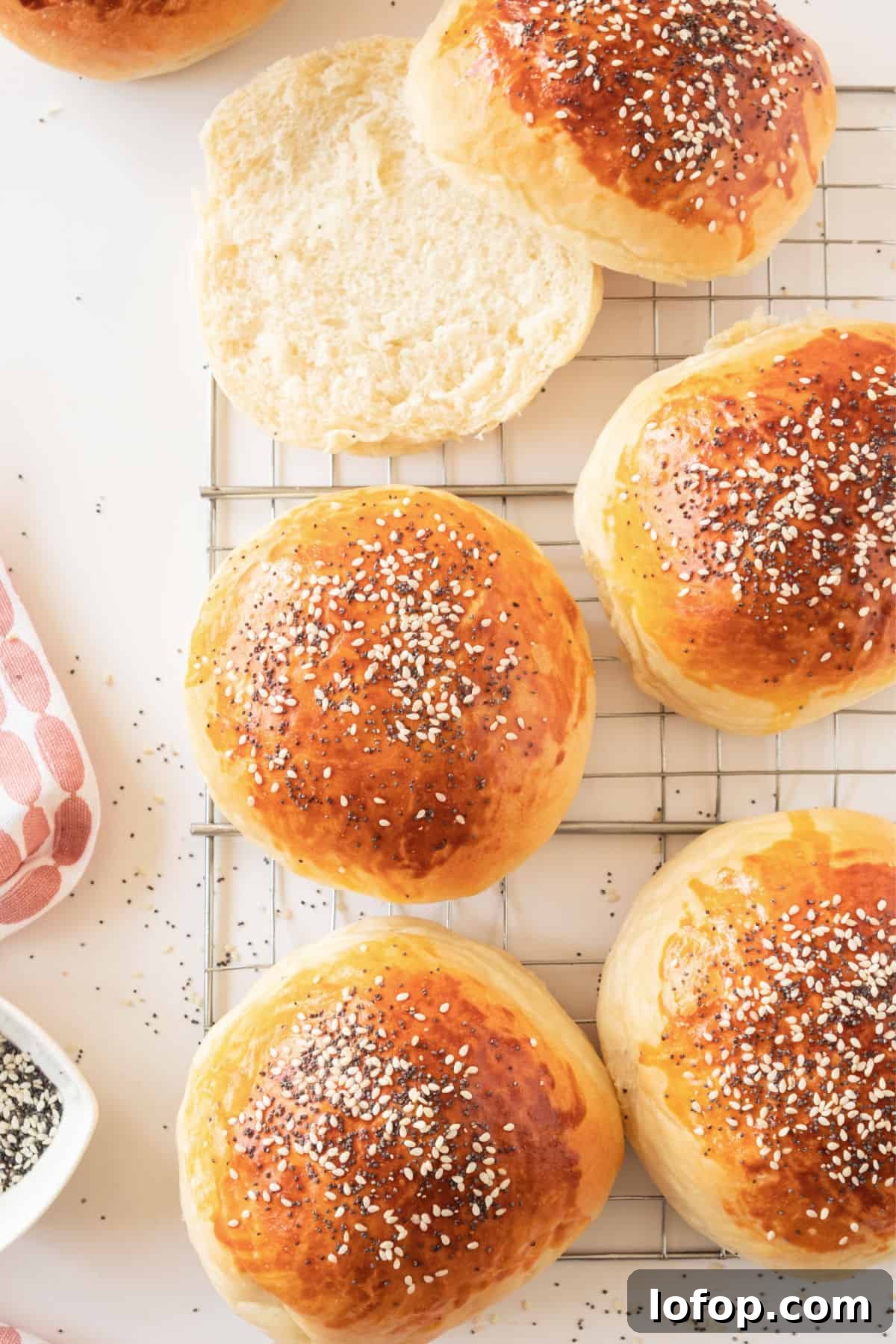
Process steps
Stand mixer: Recommended for convenience, though you can knead by hand. Mix ingredients in the mixer bowl if using one.
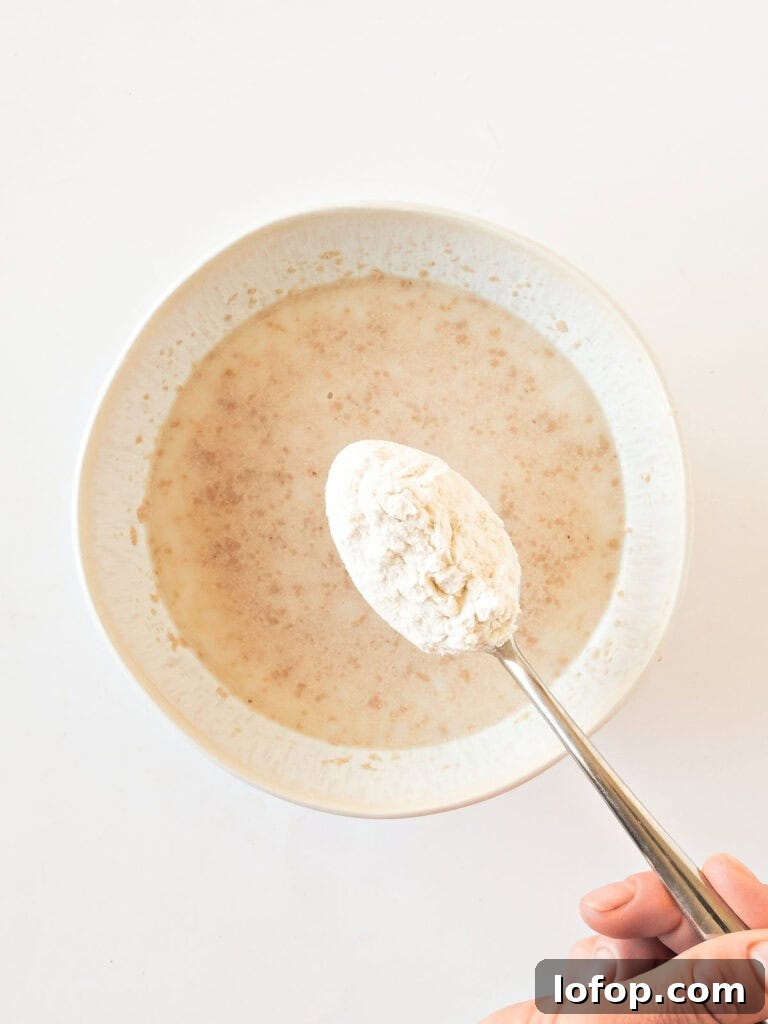
Activate the yeast
Combine lukewarm milk and yeast with a tablespoon of flour and let sit 5–10 minutes until foamy. If it doesn’t foam, the yeast is inactive and should be replaced.
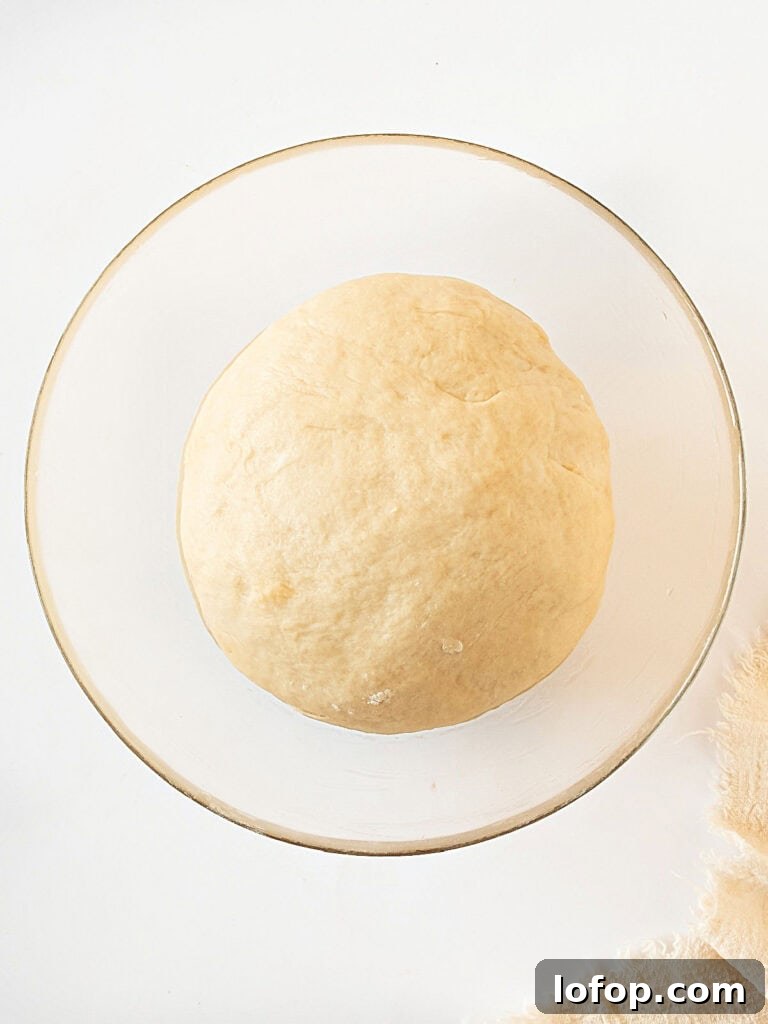
First rise
The dough will start shaggy but will come together as you knead. Knead until smooth and elastic, then transfer to a greased bowl and let rise until doubled in a warm, draft-free place.
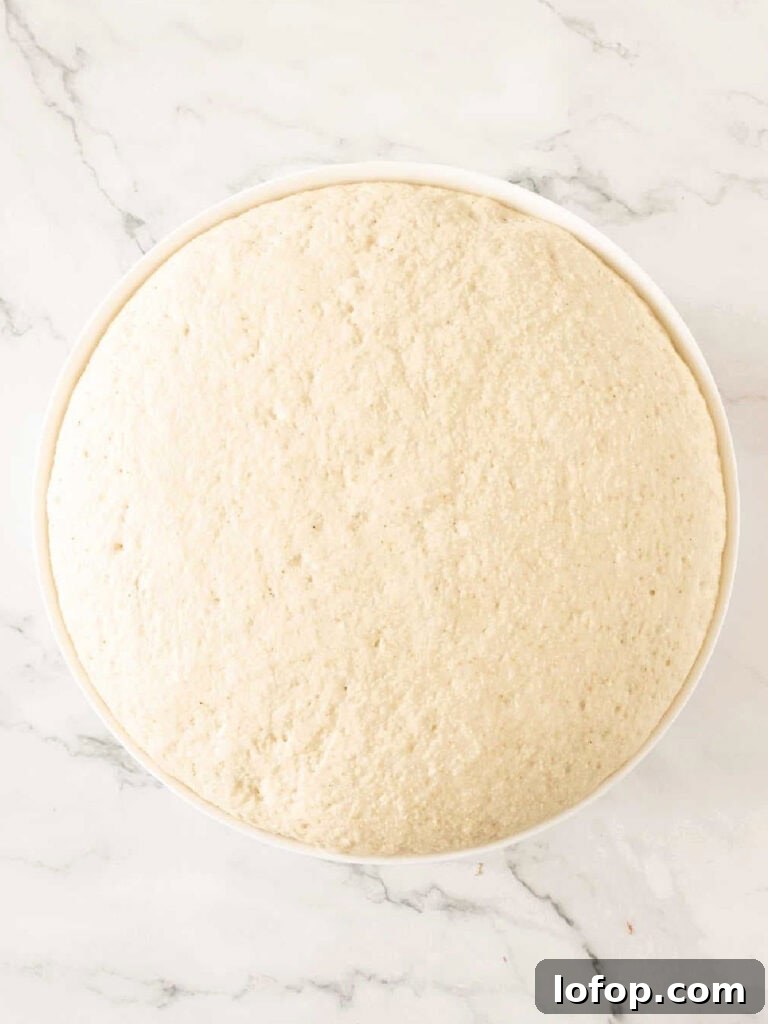
Step 3
Cover the bowl with a clean towel or loose plastic wrap and let the dough rise until doubled. Gently deflate it to release excess gas before shaping.
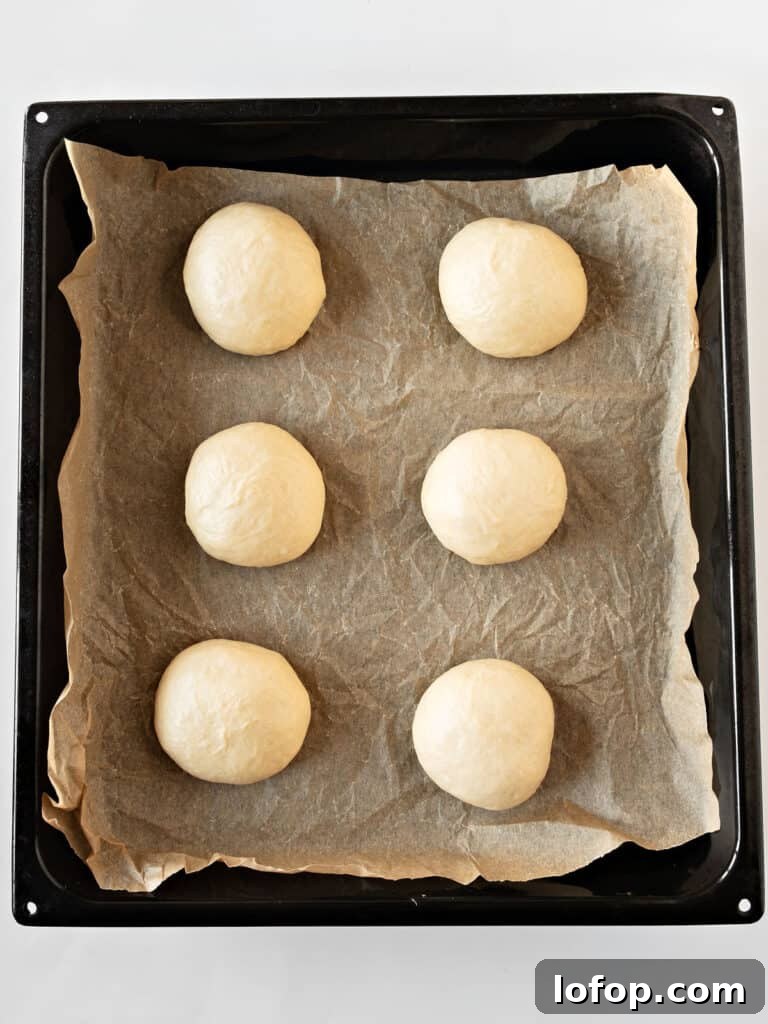
Step 4
Shape the dough into portions, place on parchment-lined trays with space between each roll, and allow a second, shorter rise until noticeably puffy.
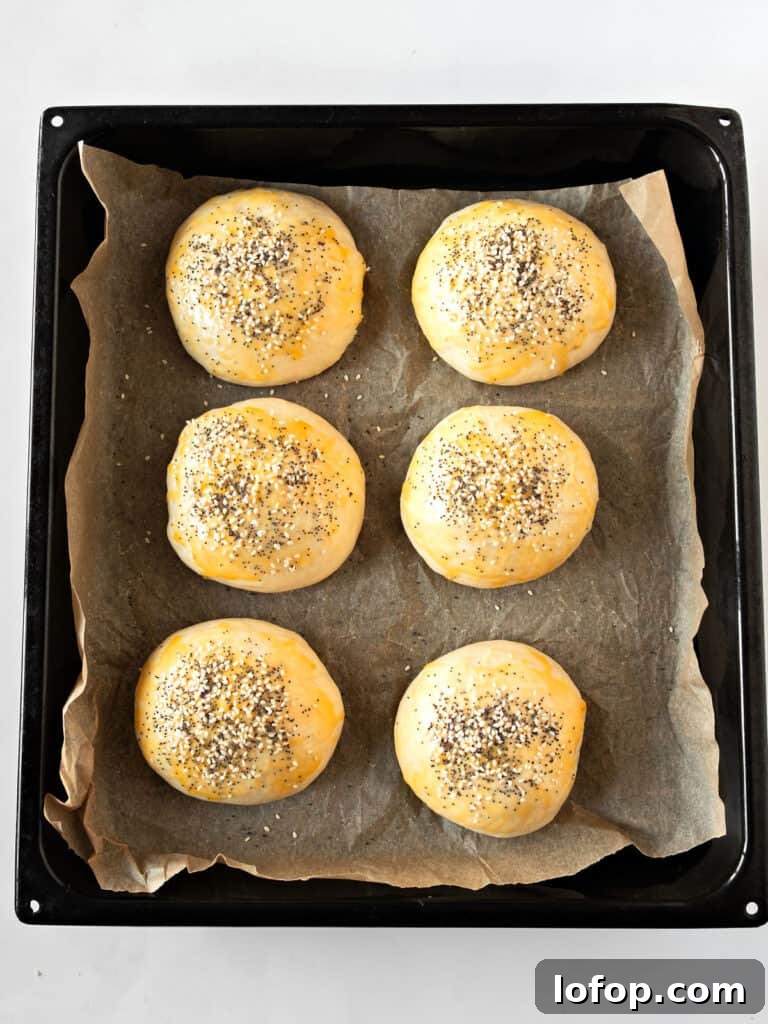
Step 4
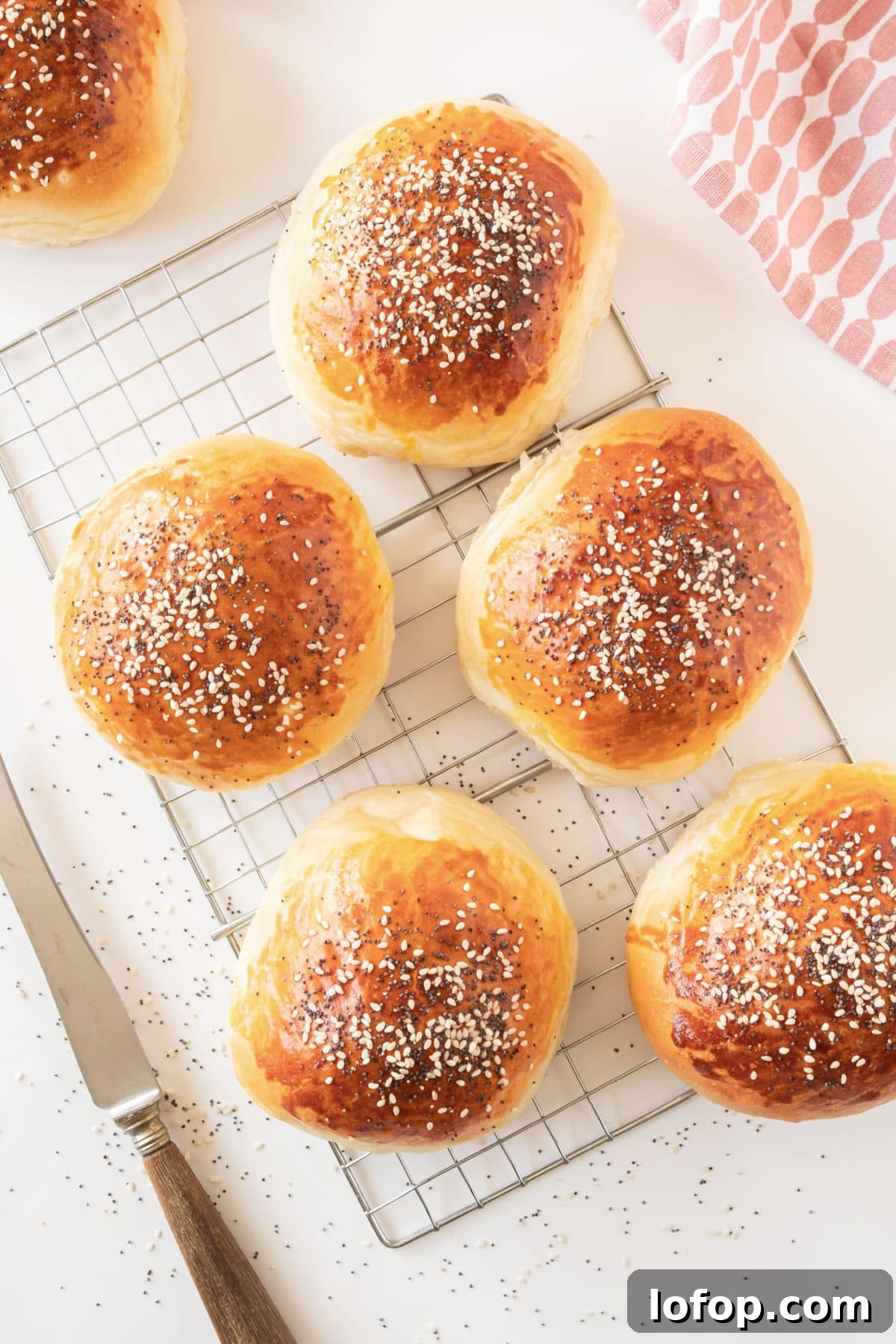
When the buns are puffy, brush with egg wash (or milk/butter) and sprinkle with sesame and poppy seeds before baking.
Baking
Preheat the oven: Always preheat before baking. Place the buns in only when the oven has reached the correct temperature.
Doneness: Buns are done when the tops are golden and dry. Tap the bottoms—if they sound hollow, they’re ready. Let cool on a wire rack before slicing to avoid a gummy interior.
If you try the recipe and enjoy it, feel free to leave a review. If you had issues, describe them so they can be troubleshot. You can also subscribe to email updates or save recipes for later.
Disclosure: some sites may use affiliate programs; check the original site for details.
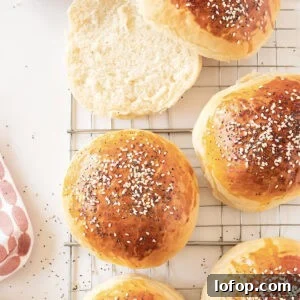
Old-Fashioned Soft Burger Buns
Ingredients
For the bread dough:
- 3 ½ cups bread or all-purpose flour
- 1 cup lukewarm milk, not hot
- 2 ¼ teaspoons active dry yeast (1 packet)
- 1 egg, at room temperature
- ¼ cup sunflower oil or 3 tablespoons unsalted butter, melted
- 1 teaspoon salt
For the topping:
- 1 egg (for egg wash)
- 2 tablespoons sesame and poppy seeds
Instructions
Activate the yeast:
- Combine 1 cup lukewarm milk and 2 ¼ teaspoons active dry yeast with 1 tablespoon of the flour. Stir and let sit 5–10 minutes until foamy. If no foam appears, use fresh yeast.
Make the dough:
- Whisk the remaining flour and 1 teaspoon salt in a bowl. Make a well, add the foamed yeast and 1 room-temperature egg, and mix until a shaggy dough forms.
- Add ¼ cup sunflower oil (or melted butter) and continue mixing until incorporated. The dough will look messy at first.
Knead the dough
- By hand: knead on a lightly floured surface 8–10 minutes. Stand mixer: use dough hook 5–7 minutes on low. Dough should be smooth, elastic and slightly tacky.
- If too sticky, add flour 1 tablespoon at a time. Test by stretching a small piece until you can see light through it without tearing.
First Rise
- Place dough in a greased bowl, cover and let rise 1–1½ hours until doubled.
- Gently punch down, divide into 8 pieces, shape into smooth balls and place on parchment-lined baking sheets about 3 inches apart. Flatten slightly so they expand more than rise.
Second Rise
- Cover and let rise 30–40 minutes until puffy but not doubled. Preheat oven to 375°F (190°C) during the last 15 minutes of this rise.
- Beat 1 egg and brush the tops. Sprinkle seeds evenly. Bake 15–18 minutes until golden and hollow-sounding when tapped. Internal temperature about 190°F (88°C).
- Cool on a wire rack until completely cool before slicing, about 1 hour, to prevent a gummy crumb.
Notes
Types of yeast: Active dry yeast is hydrated (foamed) before use. Instant yeast can be added directly to flour at about ¾ the amount of active dry. Fresh yeast uses a different ratio and is hydrated before use.
Flour: Bread flour gives more chew and structure; all-purpose works fine if bread flour isn’t available.
Let me know in the comments below.