Welcome to The Storied Recipe, a podcast about food, culture, and love.
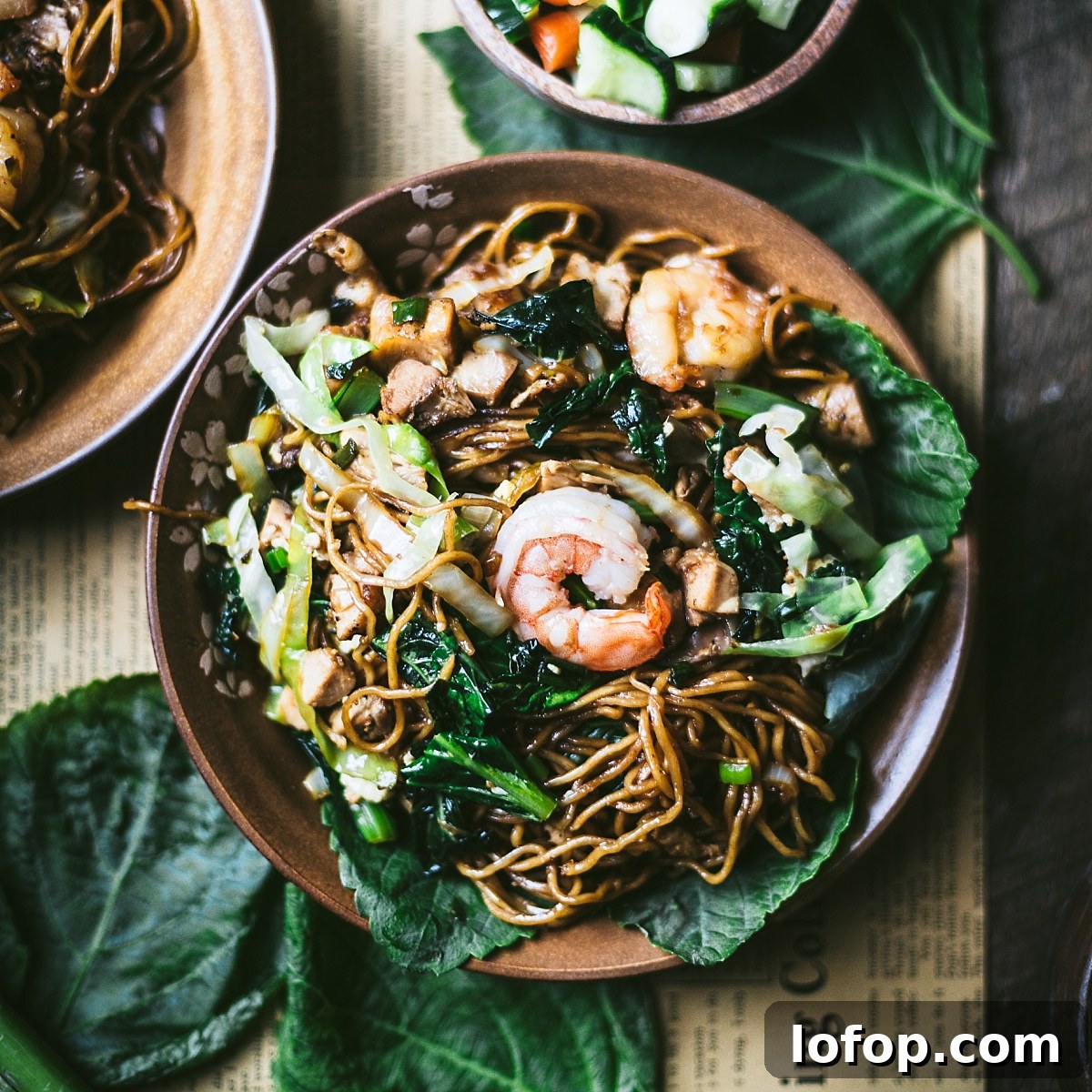
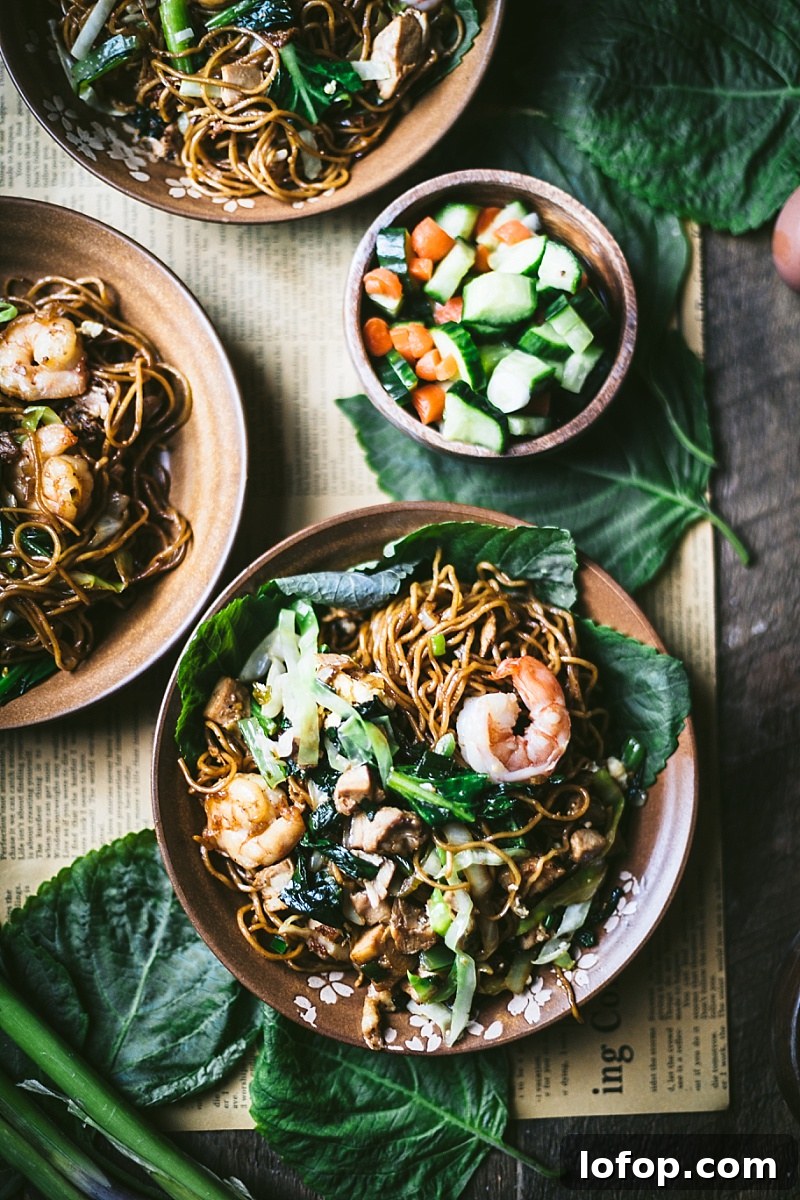
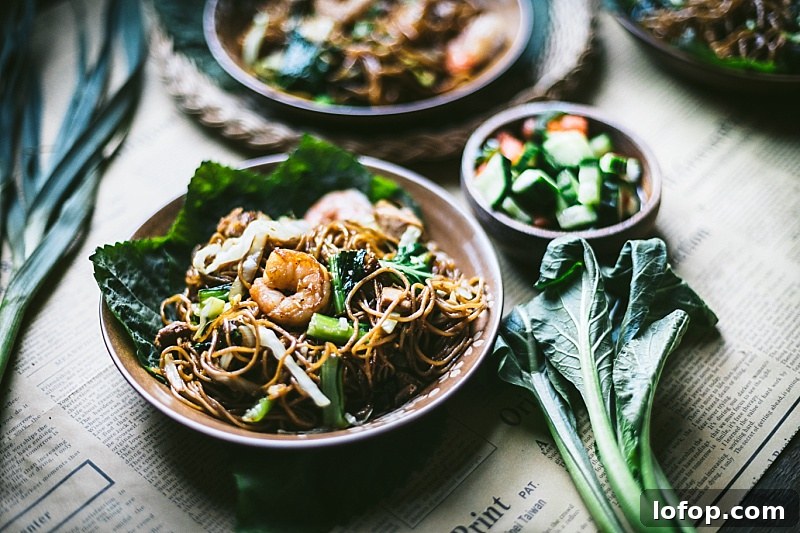
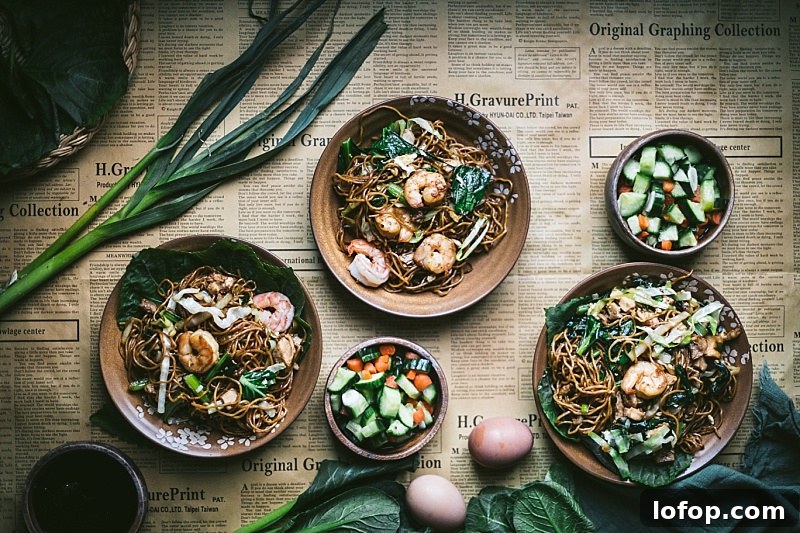
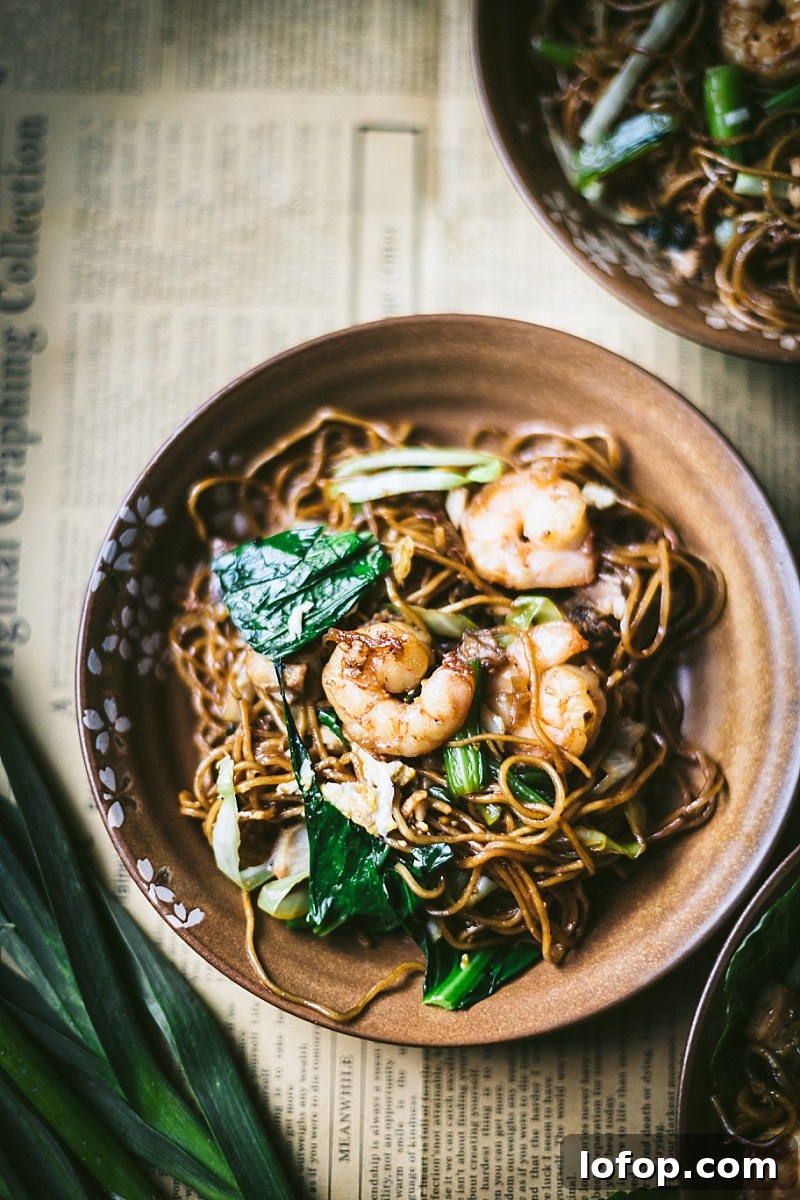
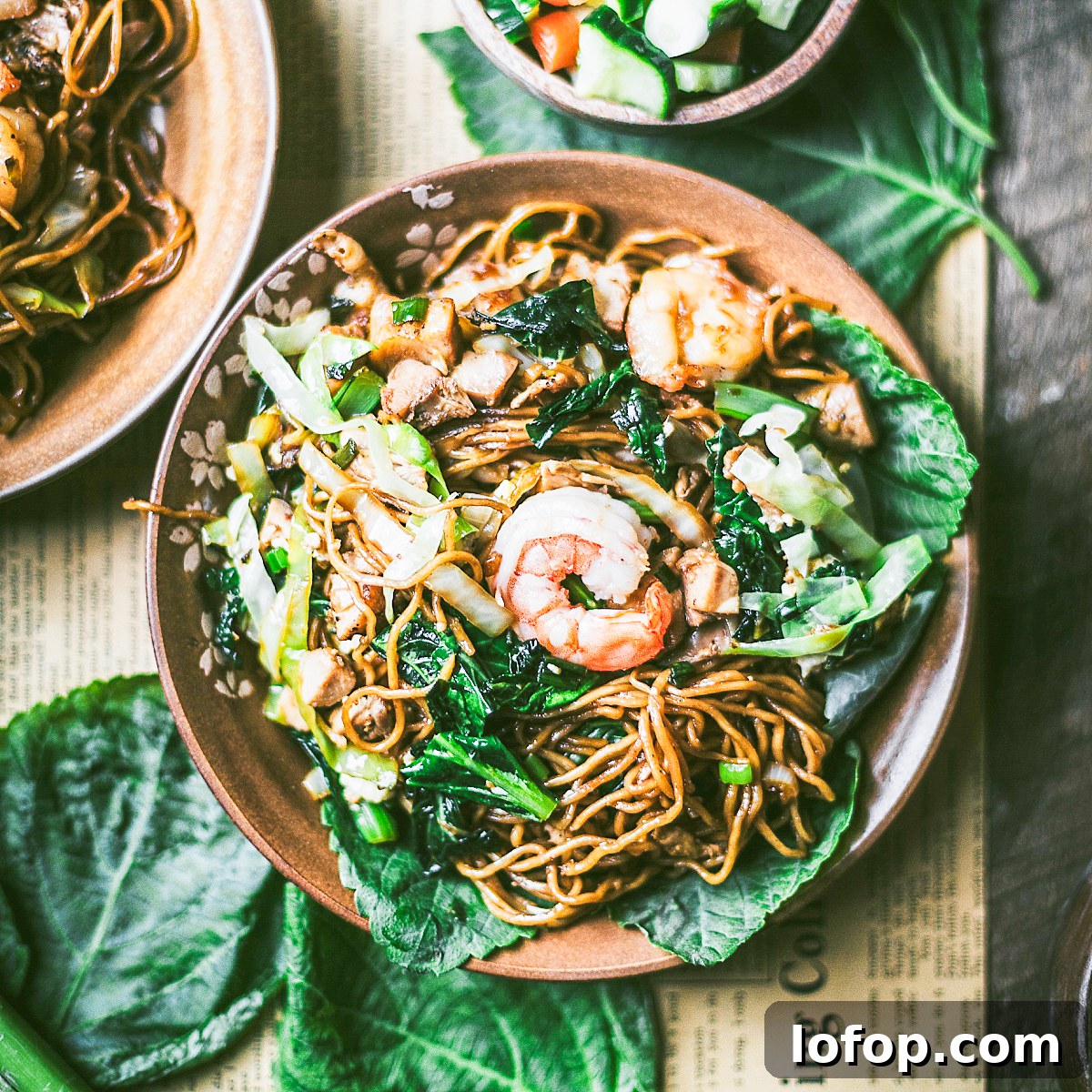
The best noodle dish I’ve ever had — Mie Goreng Ayam. Fresh egg noodles tossed with tender pieces of chicken thigh fried in rendered chicken fat (or vegetable oil), plump shrimp, crisp Chinese greens, and scallions, all coated in a sweet, sticky kecap manis sauce.
M. Aimee, my podcast guest, prepares this dish at home for celebrations, but it’s also commonly sold at street stalls and served in popular Indonesian restaurants like Solaria.
Mie Goreng is simple enough for a weeknight and impressive enough for guests. For authentic results, read the FAQ section before trying the recipe below.
About M. Aimee, Contributor of This Mie Goreng Ayam Recipe
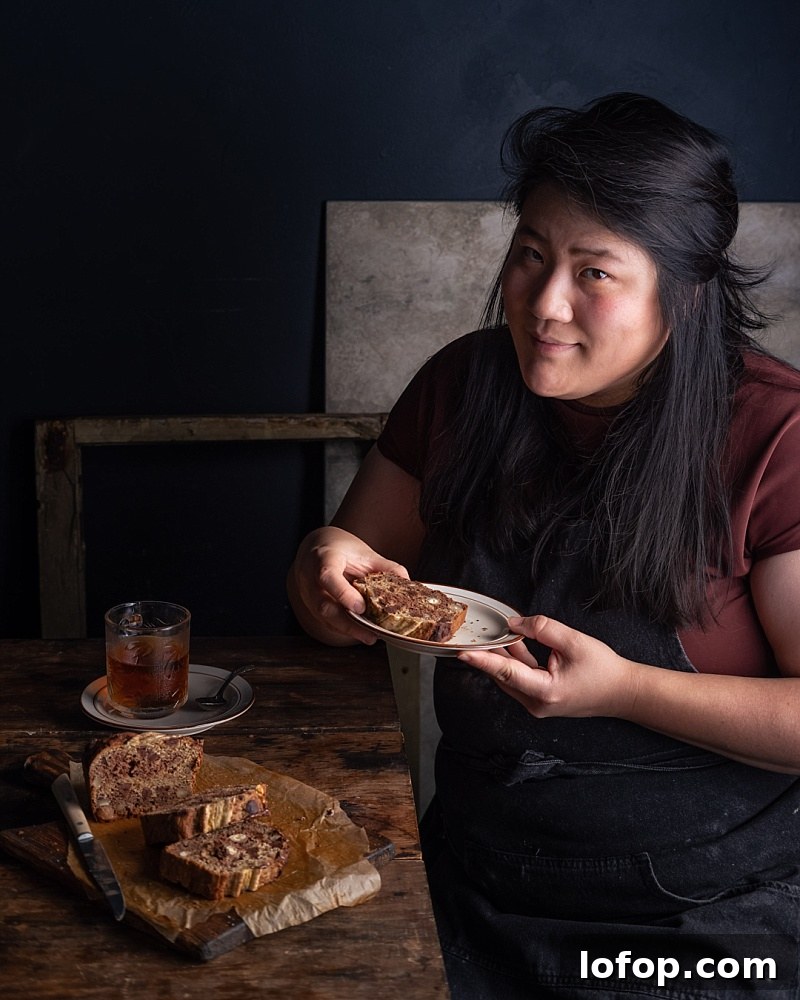
Aimee’s grandfather left China for Indonesia at age twelve and built a new life for his family. Two generations later, M. Aimee left that comfortable life in Indonesia to study abroad. In her episode of The Storied Recipe Podcast we explore how Mie Goreng captures her Chinese-Indonesian heritage and how growing up as a third-culture, mixed-race child shaped her identity.
What Mie Goreng Means to M. Aimee
Mie Goreng (fried noodles) is a classic Indo dish — humble and satisfying. Noodles fried with sweet soy sauce and served with pickled cucumber and sambal can be found on the street, in canteens, and in fine restaurants across Indonesia.
It’s also essential at birthday celebrations because it symbolizes longevity.
For me, Mie Goreng reflects my identity as a third-generation Chinese Indonesian. Noodles are a family love — my father is a noodle enthusiast. I grew up watching vendors toss noodles in flaming woks; the rhythm and speed were mesmerizing and magical.
— M. Aimee
Questions About Making Mie Goreng
Can I use regular soy sauce instead of ABC Kecap Manis?
No. Kecap manis is essential: it is a thick, sweet, caramelized Indonesian soy sauce that gives Mie Goreng its characteristic flavor and glaze. Regular soy sauce lacks the sweetness and viscosity needed for an authentic result.
The recipe calls for chicken fat. Where can I find that?
In Indonesia, rendered chicken fat is sometimes sold, but you can easily make your own. Remove the skin from bone-in, skin-on chicken thighs and cook it in a skillet until the fat renders and the skin becomes crispy. The rendered fat becomes your cooking oil and the crisped skin makes a delicious snack.
If you prefer, use a neutral vegetable oil — but don’t skimp on oil. Authentic Mie Goreng (including restaurant styles like Solaria) uses enough oil for flavor and proper wok-tossing.
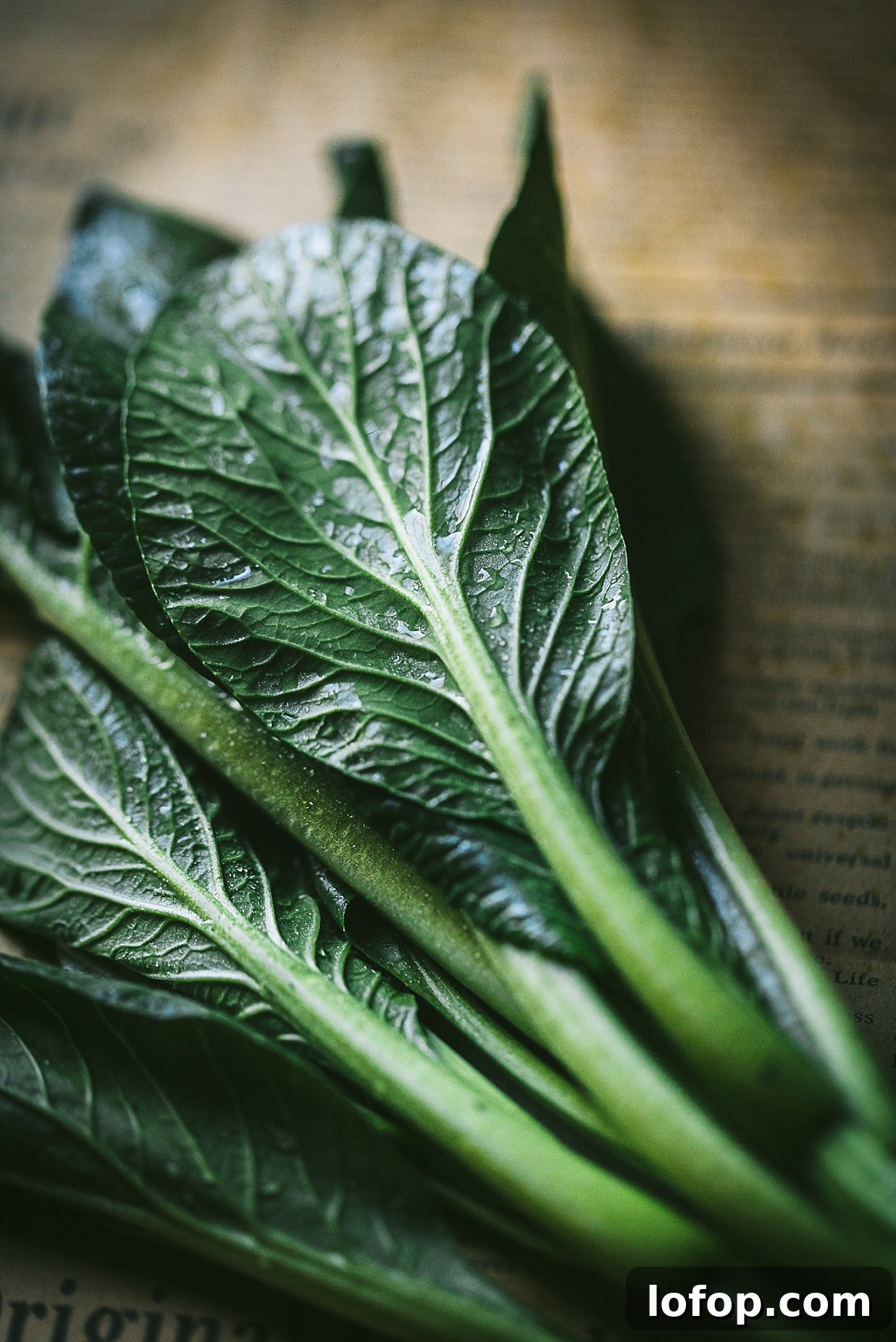
What is Yu Choi and where can I find it?
Yu choi is a Chinese green similar to bok choy. You can find it at Asian grocery stores such as H Mart. If unavailable, substitute bok choy, baby bok choy, or any sturdy leafy green.
How long do I cook the egg noodles?
Fresh egg noodles cook in only a few seconds. Follow package instructions carefully and avoid overcooking — one of the biggest mistakes is making the noodles too soft before tossing them with the sauce.
What should I serve with Mie Goreng?
Traditionally, Mie Goreng is served with Acar Timun — pickled cucumber and carrot. It adds a bright, acidic contrast to the rich noodles.
Is Mie Goreng Ayam the same as Mie Goreng?
“Ayam” means chicken. Mie Goreng Ayam is simply fried noodles served with chicken, which this recipe includes.
What is Mie Goreng Solaria?
Solaria is a well-known Indonesian restaurant chain famous for its Mie Goreng. This home recipe aims to match that satisfying, restaurant-style flavor.
Can I make vegetarian Mie Goreng?
Yes. Omit the chicken and shrimp and add tofu or extra vegetables for a delicious vegetarian version.
Equipment List
- Wok
Learn More
Learn more about Mie Goreng, its Chinese and Indonesian roots, and M. Aimee’s experience as a third-culture kid in the related podcast episode.
123 A Peanut Never Forgets Its Shell
Follow The Storied Recipe in Your Favorite Player
A Note on This Episode
“I’ve just listened to the episode ‘A Peanut Never Forgets Its Shell’ and your guest mentioned cooking with chicken fat. I assume this is due to Indonesia being a predominantly Muslim country where chicken fat is used instead of lard.
I am from neighboring Malaysia where we also use kecap manis. The English word ‘ketchup’ comes from Malay ‘kecap / kicap.’ Kecap manis adds color and flavor to dishes and is also used as a dipping sauce with sugar and chopped chilies for snacks like unripe mango.
You can render chicken fat by roasting chicken skins at 200°C for 10–15 minutes until the fat melts and the skins crisp. The rendered fat keeps well in the refrigerator and the cracklings make a tasty snack.
From Aiwon, a Malaysian Chinese listener
More Southeast Asian Recipes
- The Summer Seafood Tour: Seafood Recipes from Around the World
- Summer No Bake Desserts From Around the World
- Spring Dessert Charcuterie Board: Seasonal Fruits, Sweets, and Dessert Recipes
- Basic Sourdough Loaf: An Easy Homemade Sourdough Bread Recipe
Recipe
Mie Goreng (Fried Indonesian Noodles)
5 Stars
5 from 2 reviews
- Total Time: 45 minutes
- Yield: 4 servings 1x
Description
Mie Goreng Ayam is a fried noodle dish with chicken, shrimp, leafy greens, and a glossy sauce made with kecap manis, a sweet Indonesian soy sauce.
Ingredients
Units
Scale
- 400 g al dente egg noodles (fresh)
- ⅓ cup chicken fat or vegetable oil
- 2 eggs
- 125 g raw shrimp, deveined and peeled
- 125 g dark chicken meat (thigh), sliced ¼ inch thick
- 125 g Yu choi, cut into 2-inch pieces (or substitute bok choy)
- 125 g cabbage, cut into strips
- 3–4 tsp water
- 6 shallots, finely diced
- 4 garlic cloves, finely diced
- 3 tbsp kecap manis (sweet soy sauce)
- 2 tbsp thin soy sauce
- 1 tsp chicken bouillon powder (optional)
- ½ tsp salt
- ½ tsp white pepper
Instructions
Cue Up The Episode!
Play M. Aimee’s episode of The Storied Recipe Podcast, “A Peanut Never Forgets Its Shell,” while you cook to hear the story behind the dish.
Make The Recipe
- Heat a wok over high heat until very hot; a splash of water should evaporate quickly.
- Add about 1 tablespoon of oil. Cook the sliced chicken until done and any fat has rendered. Remove the chicken from the wok.
- Add another tablespoon of oil and briefly cook the shrimp until nearly done, then set aside.
- Add another tablespoon of oil, crack in the eggs, scramble until nearly set, and push the eggs to one side of the wok.
- Add the remaining oil, then add shallots, garlic, and cabbage. Cook until the cabbage becomes translucent.
- Lower the heat, add yu choi stalks, and return the cooked proteins to the wok.
- Stir in kecap manis, thin soy sauce, salt, and white pepper. Add 3–4 tablespoons of water to loosen the sauce.
- Add the noodles and yu choi leaves to the wok.
- Toss to coat the noodles evenly in the sauce, cooking until the noodles absorb the flavors.
- Serve with Acar Timun (pickled cucumber and carrot) and sambal (hot sauce).
Notes
- Serve with pickled carrot and cucumber (Acar Timun) for a traditional pairing.
- Listen to the episode “A Peanut Never Forgets Its Shell” for context and stories that accompany the recipe.
- Prep Time: 30 minutes
- Cook Time: 15 minutes
- Category: Chicken, Main Dish
- Cuisine: Indonesian, Southeast Asian
Nutrition
- Calories: 739
- Sugar: 16 g
- Sodium: 1,325 mg
- Fat: 26 g
- Saturated Fat: 5 g
- Carbohydrates: 95 g
- Fiber: 6 g
- Protein: 30 g
- Cholesterol: 235 mg