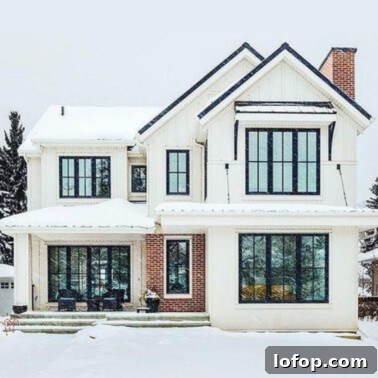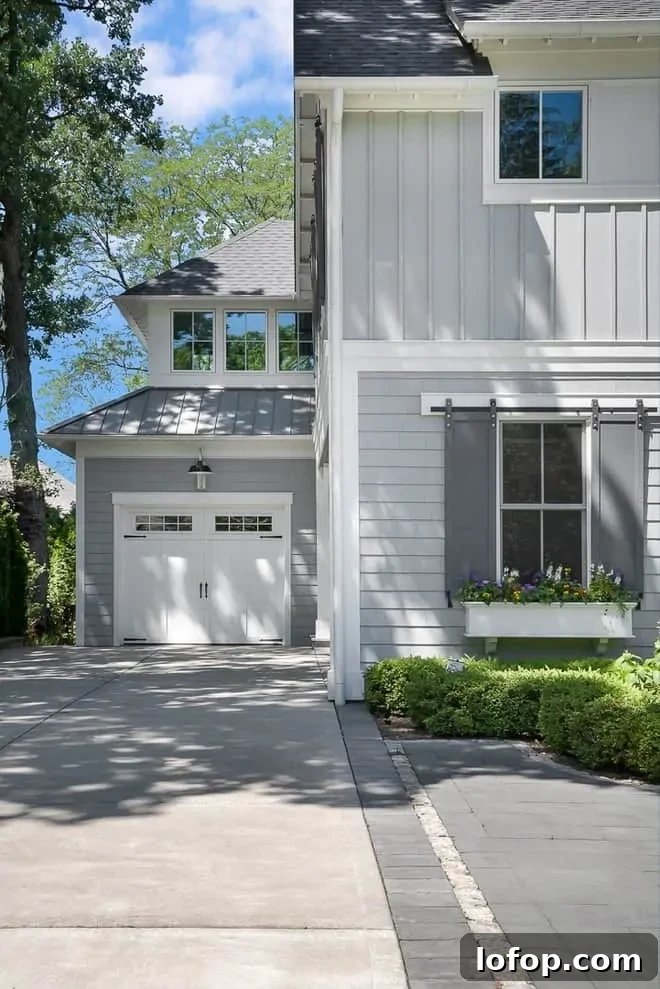
Choosing roof shingle colors deserves as much consideration as the exterior paint of your home. The roof is a major visual element and helps define a home’s character, so this decision matters. Below are popular house-and-roof color combinations to consider in 2023, along with practical tips to help you decide.
Different exterior palettes call for different shingle colors because:
- A roof can account for roughly 40% of a home’s visible exterior, so the shingle color strongly influences the overall style (coastal, urban, traditional, etc.).
- Shingle color affects energy performance, roof longevity, and even property value.
Below I share how to match house colors with roof shingle colors.
How We Chose Our Roof Shingle Color
A key rule is to pick shingles that complement your siding and trim. Our house is painted all white—brick, siding, and trim—with a cool coastal tone using Sherwin-Williams Extra White and shutters in Uncertain Gray.
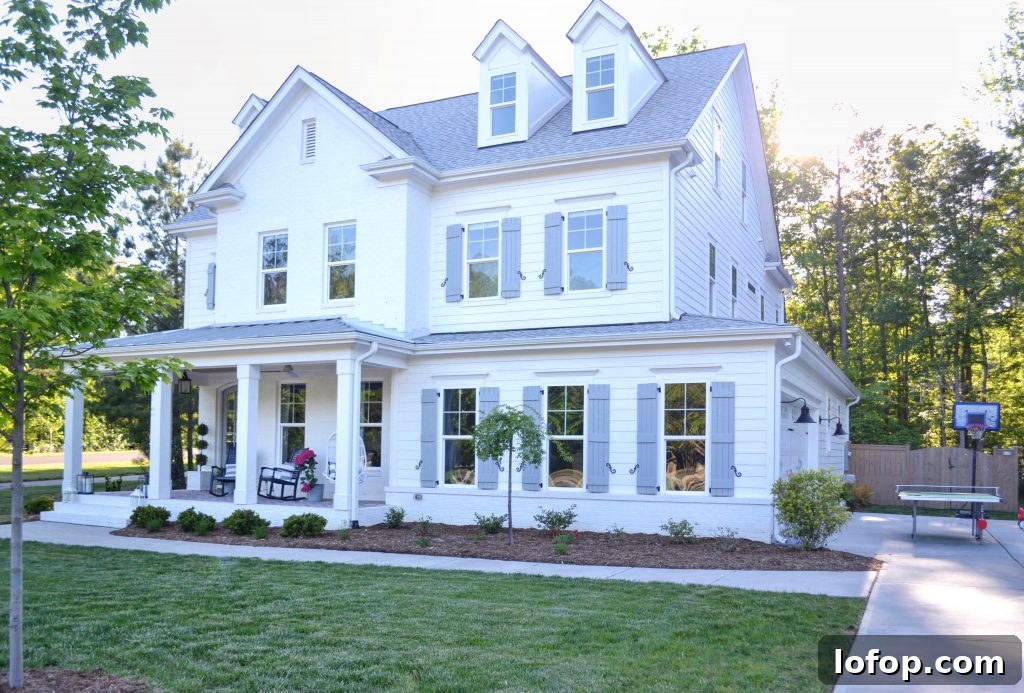
(We painted our shutters and door Uncertain Gray.)
Black roofs often work well on cooler white homes, but because we have coastal blue shutters we opted for a much lighter roof. After consulting our roofing contractor, we chose a light gray—almost silver—shingle.
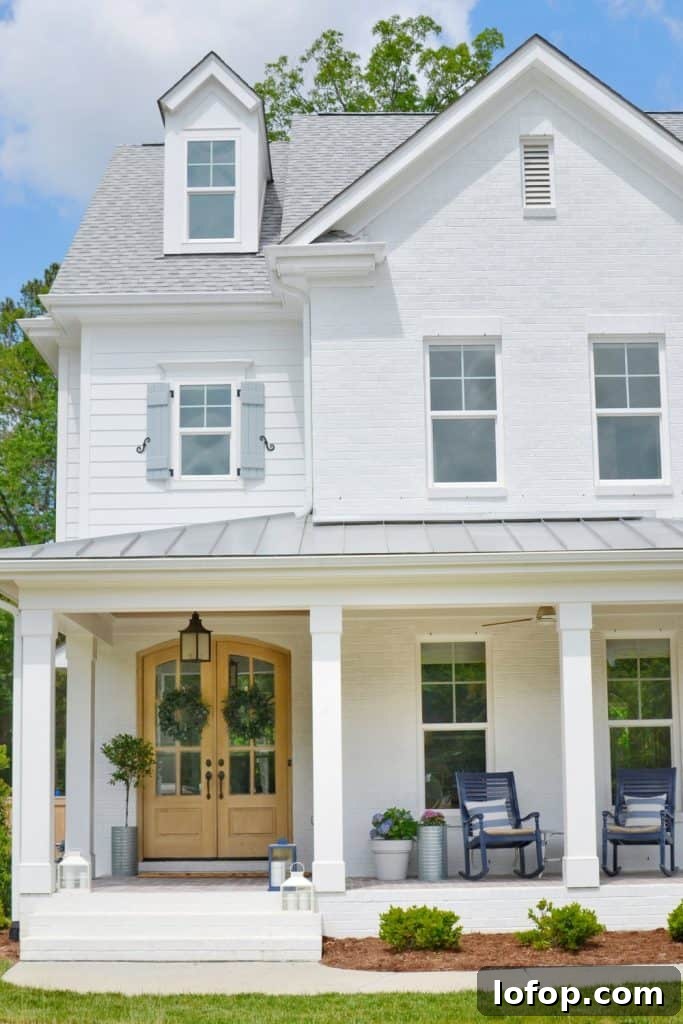
Our shingles are CertainTeed in the color “Silver Birch.” We also used silver metal roofing accents. The silver-gray roof acts as a subtle accent to the siding and shutters.
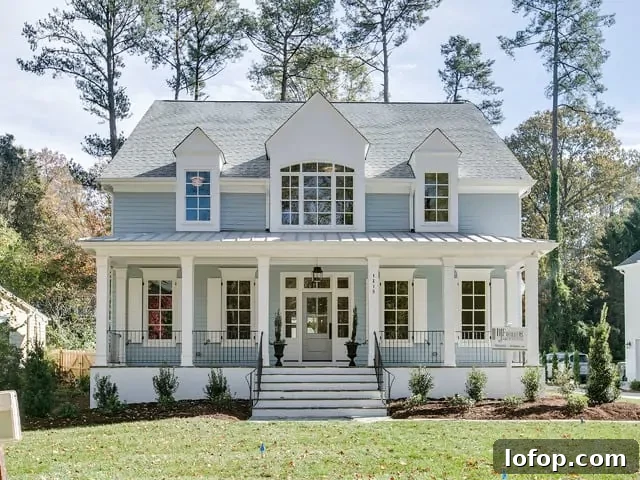
This home also uses CertainTeed “Silver Birch” shingles, a silver metal roof, and a blue-and-white color scheme.
Some Roof Shingle Colors Are More Energy Efficient Than Others
Climate and location are essential considerations.
- Light-colored roofs reflect more sunlight and absorb less heat, reducing summer cooling loads.
- Dark shingles absorb heat and can raise temperatures in the top rooms by 10–15 degrees on sunny days.
- In cold climates, a darker roof that absorbs heat can be beneficial, while in warm climates lighter roofs help lower energy bills.
In North Carolina, where winters are mild and summers are long, light-colored shingles reduce cooling demand. Because we converted our attic into a playroom and installed a separate HVAC for the third floor, roof color and attic ventilation were particularly important.
The 5 Best House and Roof Color Combinations in 2023
The trick is to pair warm shingles with warm siding, or cool shingles with cool siding. Keep the roof and siding within the same tonal family—either cool or warm—while providing enough contrast so one doesn’t blend completely into the other.
Five common shingle categories you’ll encounter:
- Brown shingles: taupe, stone, earthy browns, dark browns.
- Black shingles: crisp black to softer warm blacks.
- Gray shingles: silvers, warm and cool grays, light to charcoal grays.
- Green shingles: forest and earthy greens.
- Red shingles: copper or farm red for specific styles.
1. Brown, Taupe, Stone or Earth-Toned Siding
Brown siding pairs well with shingles ranging from beige and tan to black, depending on the look you want. Browns and tans complement natural, earthy houses and work well on green-painted homes too.
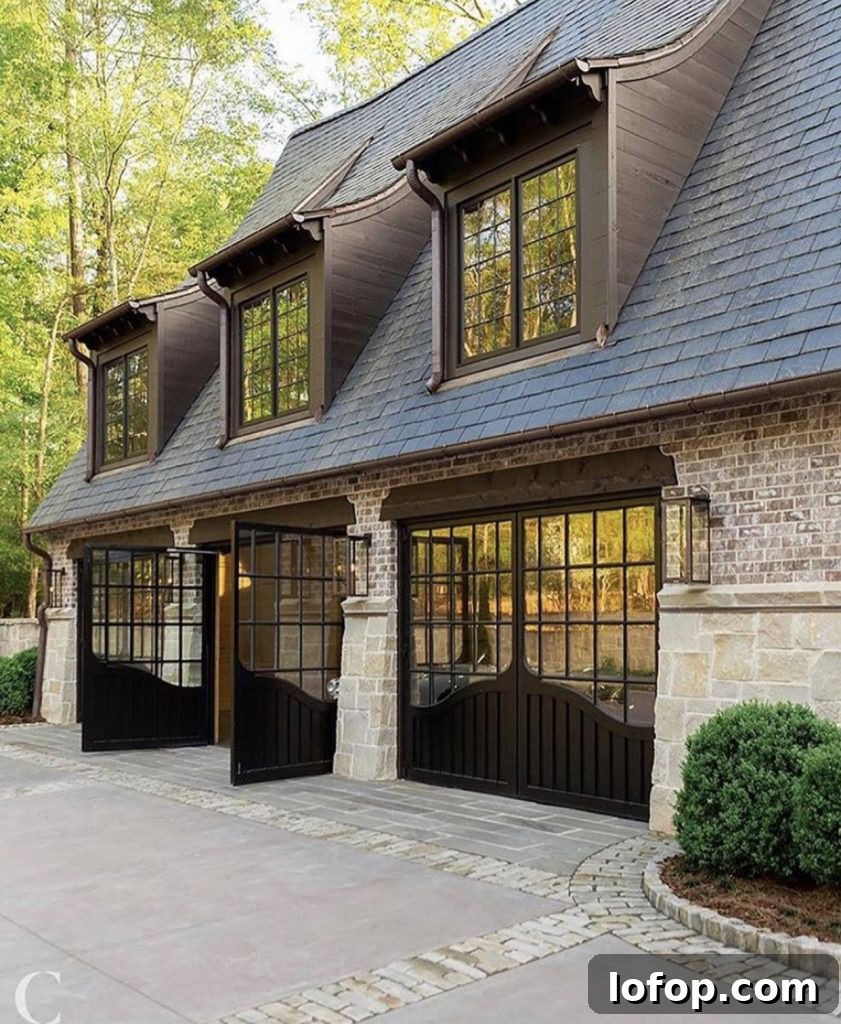
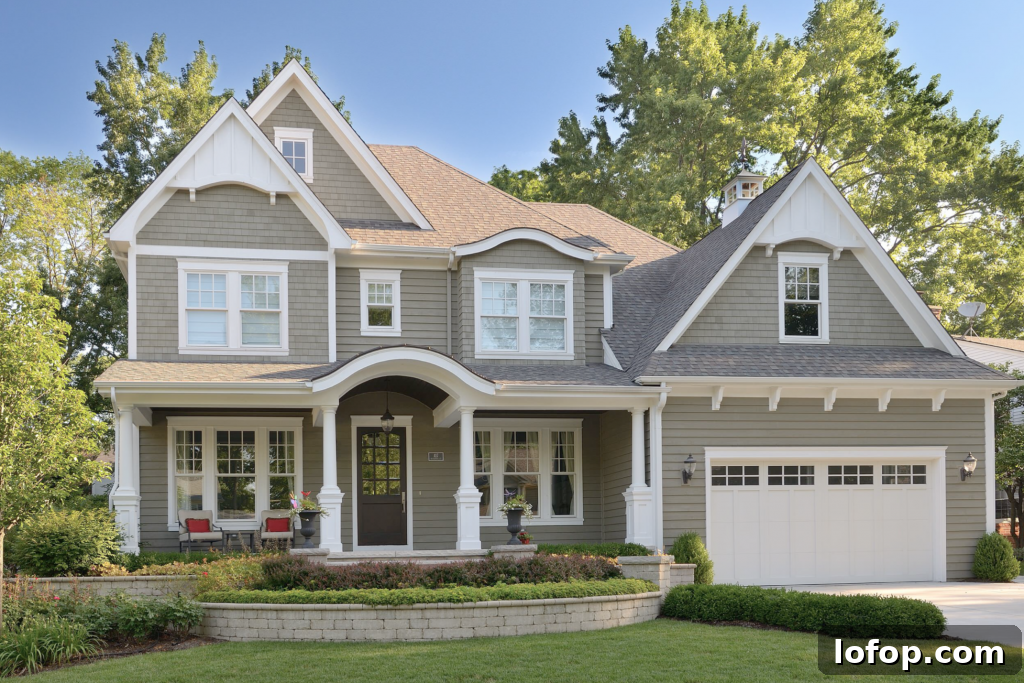
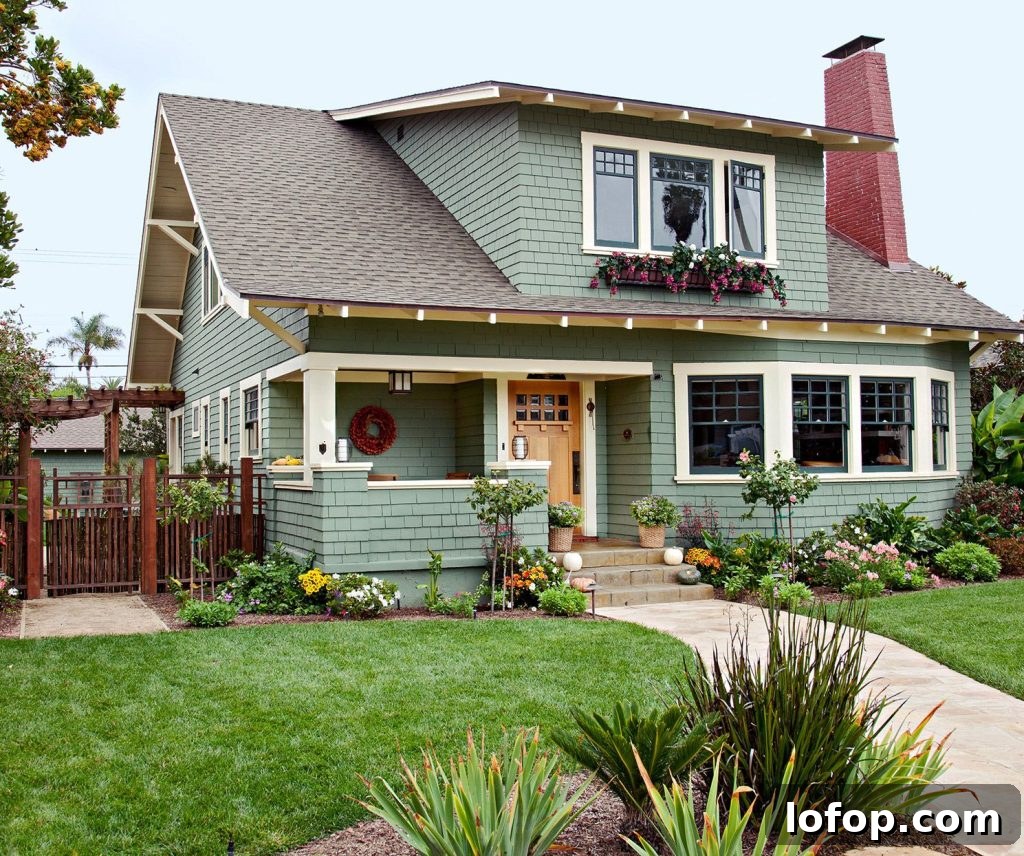
Below is an earthy green home with cream trim, warm wood accents, and a brown roof—a cohesive, grounded palette.
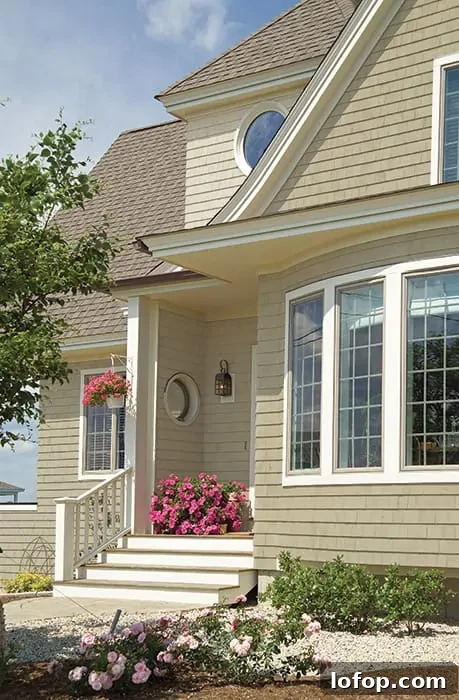
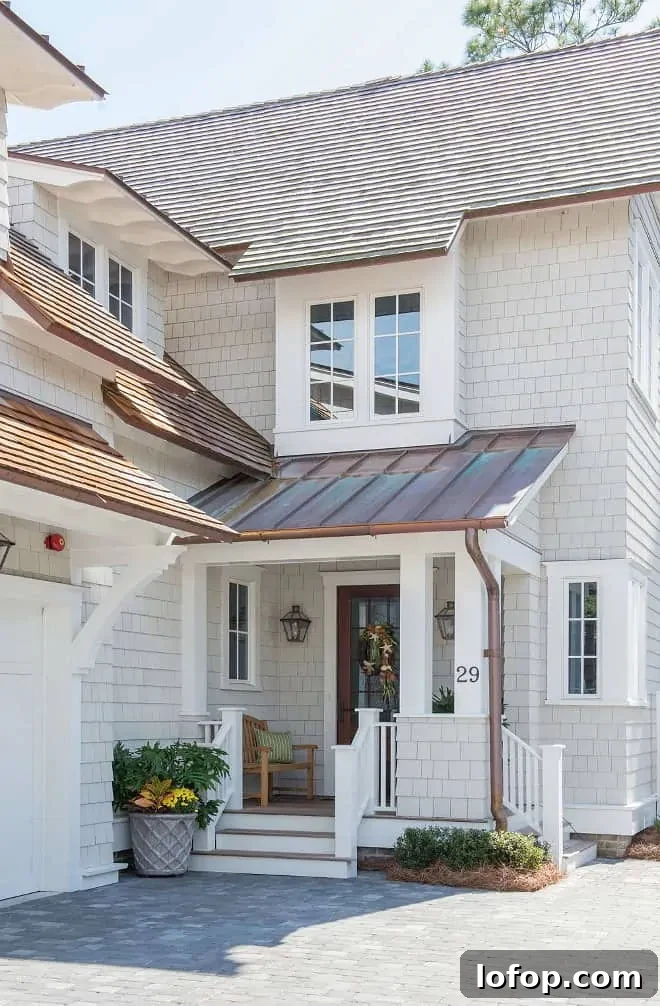
2. Beige, Tan, or Cream Siding
Beige and tan houses are versatile; shingles from light brown to warm black work well. Copper accents paired with brown shingles create a stylish, elevated exterior when used sparingly.
Shingles For Gray or Blue Houses
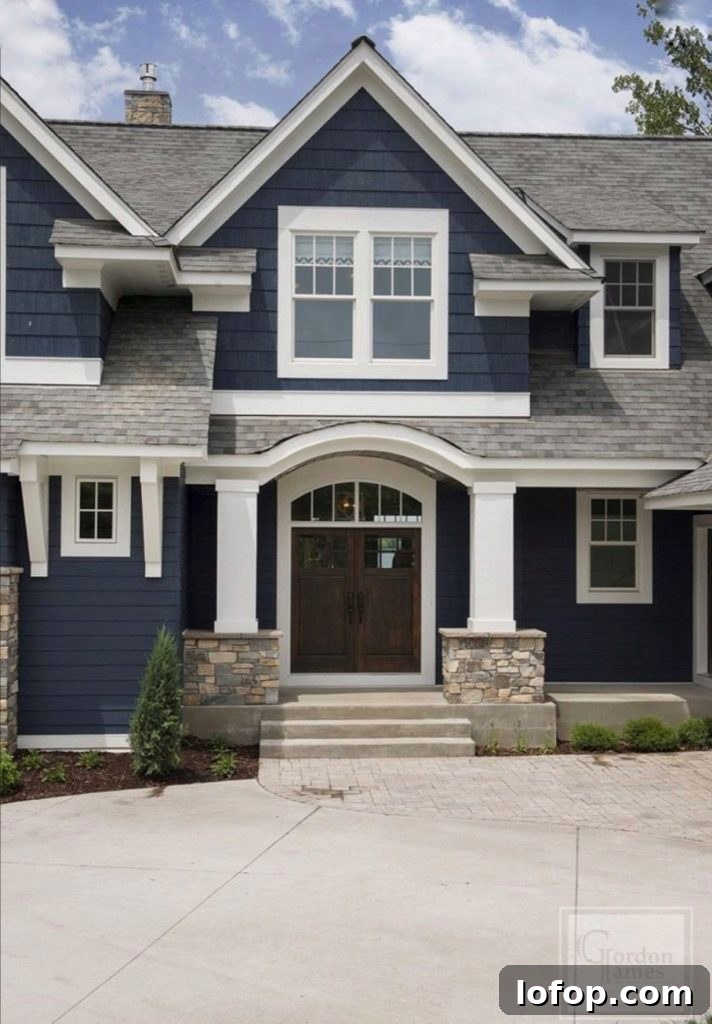
Gray or blue homes pair easily with black or gray shingles. For gray siding, use shingles either noticeably lighter or darker than the siding to create contrast while staying in the same tonal family. Navy paint pairs beautifully with gray shingles or a darker roof for a classic look.
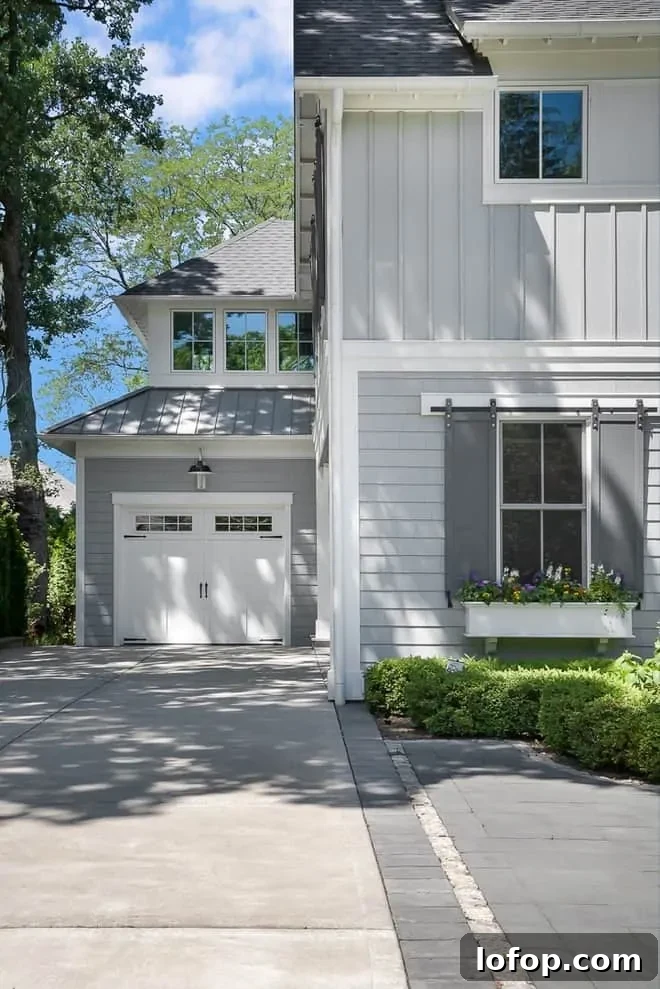
The home above uses Sherwin-Williams colors—Peppercorn shutters, Network Gray siding, and Ice Cube trim—illustrating how coordinating tones create a balanced exterior.
Shingle Colors For White Houses
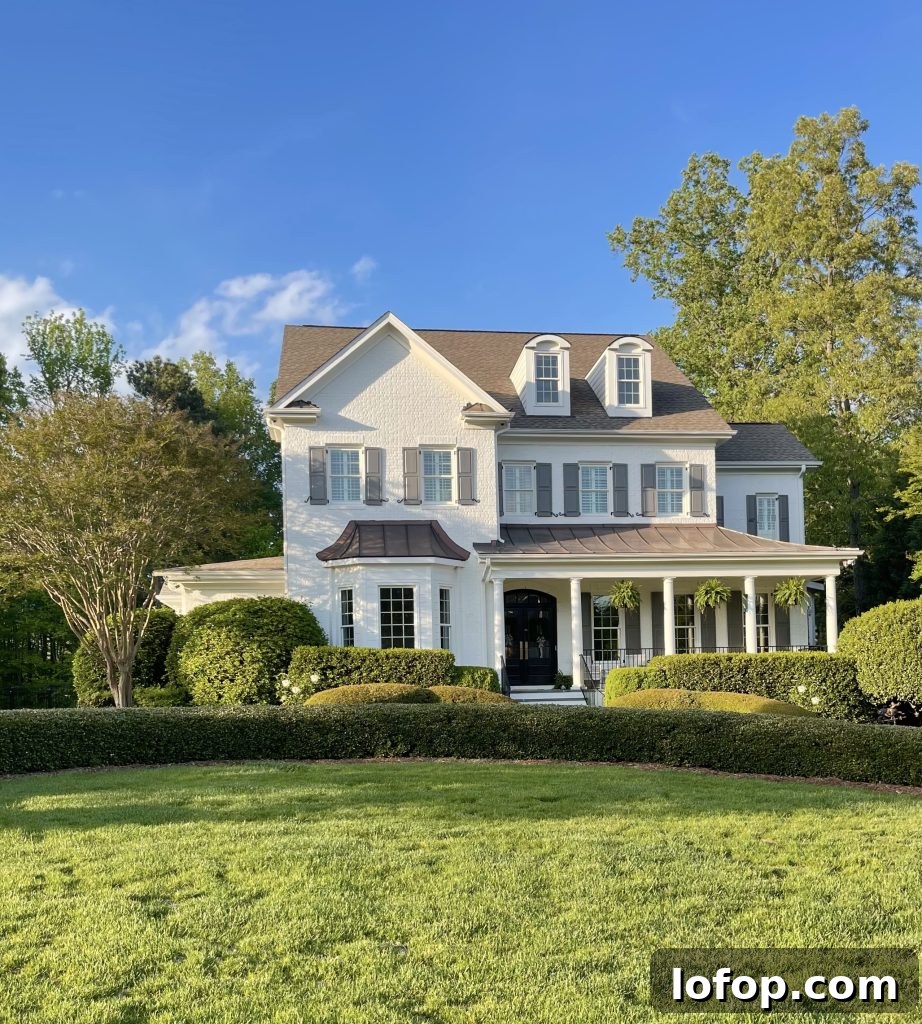
White homes are often either warm white or cool white. Coordinate shingles to match that undertone: warm whites pair nicely with light browns, while cool whites look crisp with black or cool grays. Silver-gray shingles are a great neutral choice for many white exteriors.
- Warm white siding (cream tones) suits light brown shingles.
- Red or green roofs can work with specific architectural styles, such as Spanish or farmhouse homes.
- Cool white homes have a classic look with black shingles.
We recently moved to another white home with warm white painted brick (SW Alabaster) and chose brown shingles and brown metal roofing to coordinate with the brick’s warmth.

Shingle Colors For Red or Yellow Exteriors, Including Red Brick
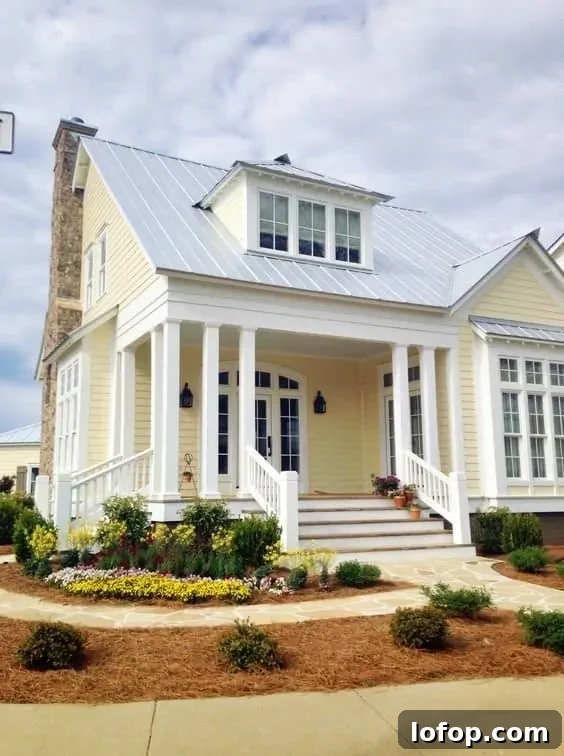
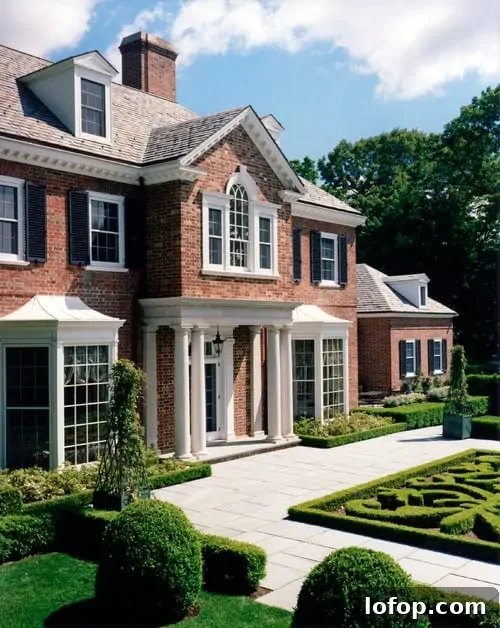
For red brick or yellow homes, dark shingles—black, dark brown, or deep gray—tend to create a cohesive, grounded look. Green shingles can sometimes work on red homes if there are green flecks in the brick or other accents that tie the color together.
House Colors That Work With Brown Roofs
If you already have a brown roof and plan to repaint your exterior, consider these siding colors:
- Warm creamy whites (for example, SW Alabaster or similar warm whites).
- Beige and tan shades.
- Muted, earthy colors like olive greens or deep chocolate browns for a cohesive natural palette.
- Muted yellows can also pair nicely with brown roofs.
Take note whether your roof is light, medium, or dark brown and choose siding that provides the right balance. Pay attention to undertones—red, orange, yellow, or gray—and coordinate the siding to harmonize with them.
How to Find the Exact Shade of Shingle
Look for existing accent colors in your home—brick or stone flecks, trim, shutters, or doors—to guide your shingle choice. The exact match isn’t always obvious, so pick up on subtle colors that already exist in masonry or accents.
Always view actual shingle samples outdoors. Sunlight changes how colors read, so hold samples next to your siding in different lighting conditions—sunny, cloudy, and at different times of day—before making a final decision.
Exterior elements will dictate the best house-and-roof combinations.
If you dislike certain exterior features—old siding or brick—you may want to address those before finalizing a roof color. But for elements that can’t be changed, work with their tones and textures to achieve a harmonious exterior.
You will also love: