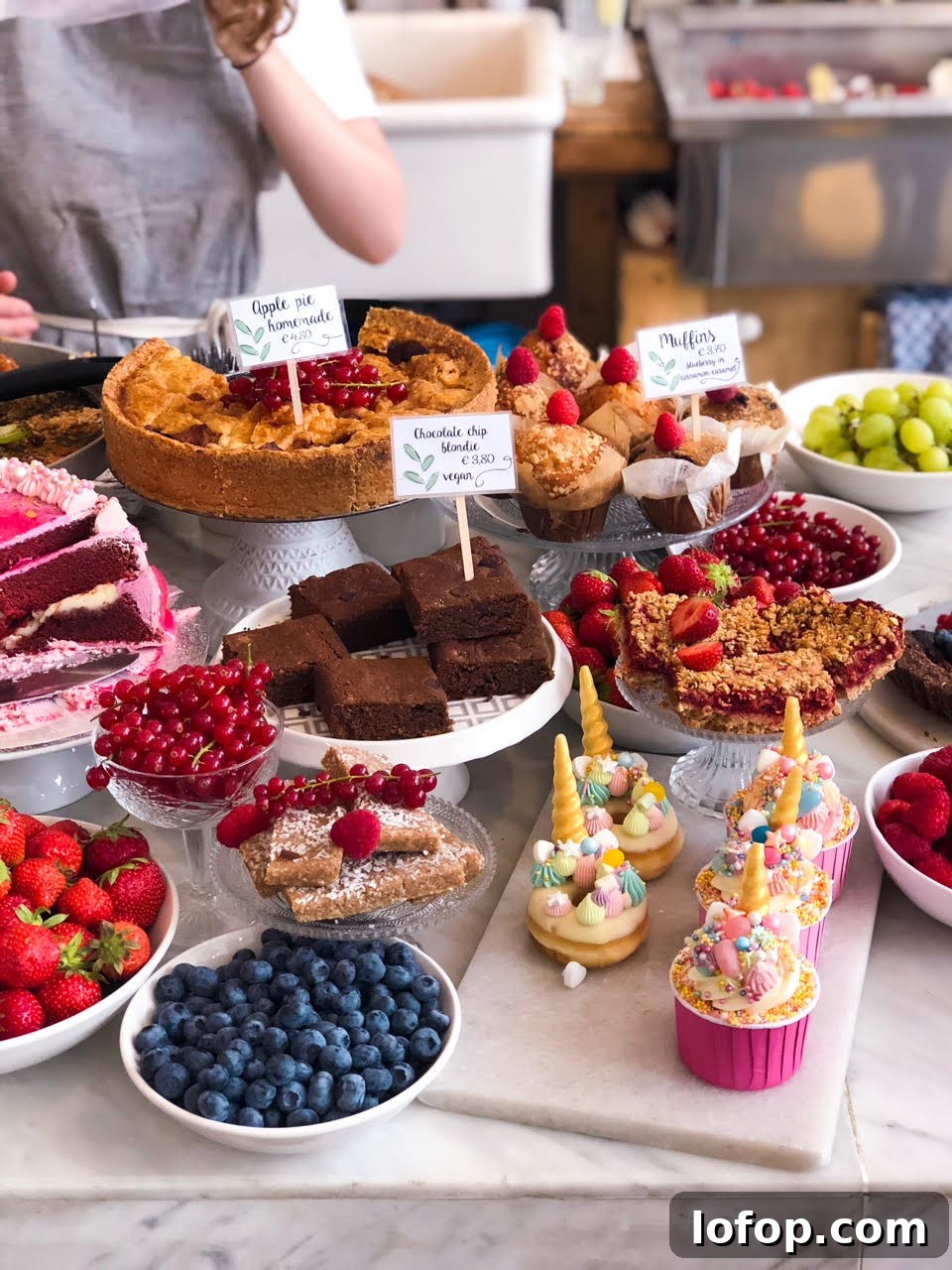
The kitchen has always felt like a little bit of magic to me. It’s amazing how a few simple, widely available ingredients can be transformed into something delicious. Most cakes rely on three core components—flour, fat, and sugar—but how you handle those basics and what you add determines the final result. With a little guidance and practice, anyone can become a confident baker. Below are five practical tips to help you improve your baking skills and enjoy the process more.
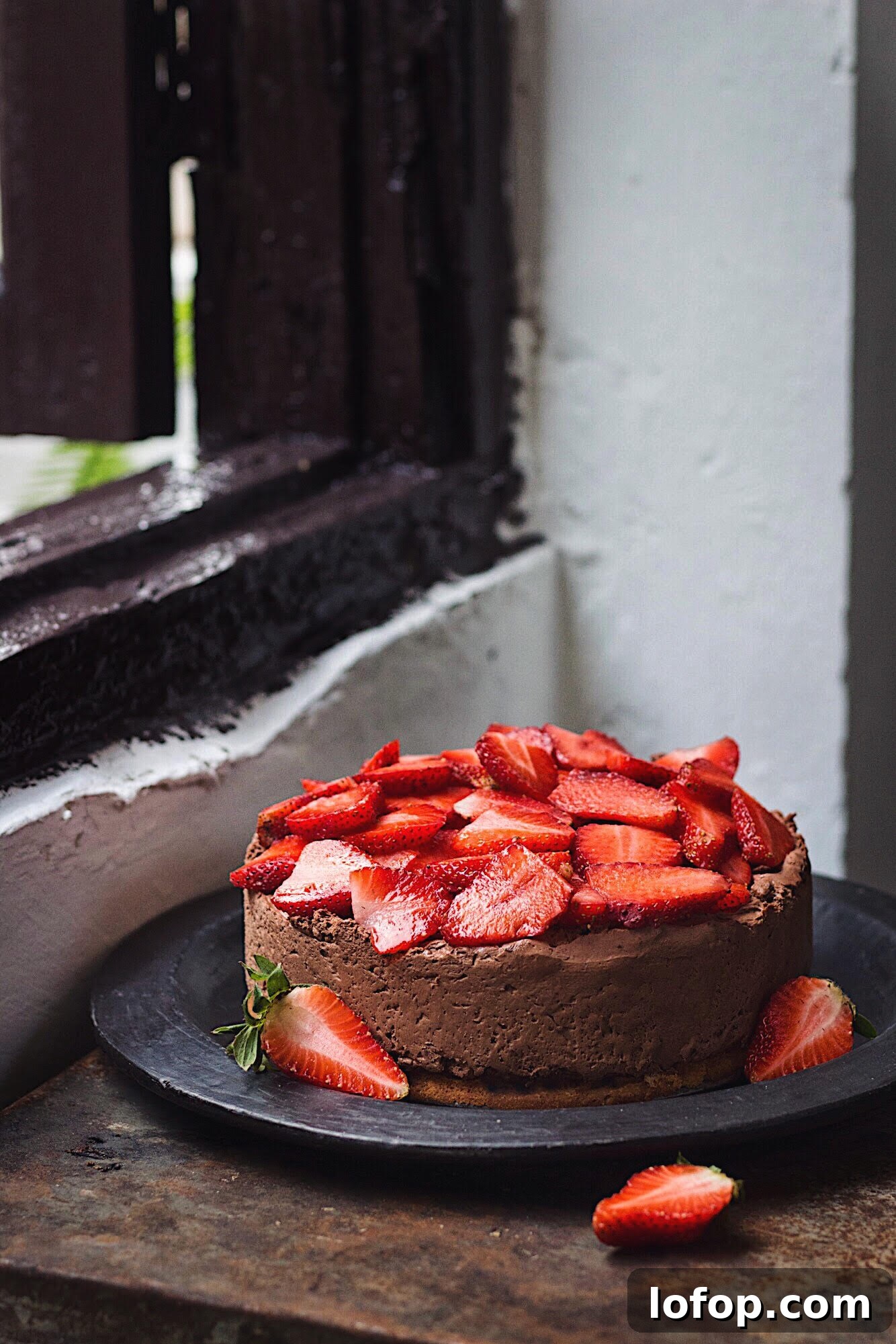
- Keep ingredients at room temperature unless a recipe specifies otherwise. Ingredient temperature significantly affects texture and performance. Eggs and dairy—such as milk, yogurt, and butter—should be taken out of the fridge and left at room temperature for about an hour before you begin. Room-temperature butter creams more smoothly with sugar, creating a better structure in cakes and cookies, while room-temperature eggs whip to greater volume. These small details have a big impact on the outcome.
- Use the right tools for the job. Not every recipe can be tackled with a single spoon. Different techniques require specific tools: a balloon whisk is ideal for incorporating air, while a rubber spatula is perfect for gentle folding. Using the wrong implement can change texture—whisking a delicate panna cotta mixture, for example, could introduce unwanted air and lead to cracks. Investing in basic, purpose-built tools will make your work easier and produce more consistent results.
- Choose fresh ingredients whenever possible. Fresh ingredients usually offer more vibrant, nuanced flavors than processed or bottled alternatives. Today it’s easier to find fresh fruit and seasonal produce, so opt for fresh berries, citrus, and other natural flavorings when you can. Fresh juices, zests, and whole fruits will elevate muffins, cakes, and tarts in ways that canned or artificial options cannot.
- Dry roast nuts to intensify flavor and aroma. Toasting nuts briefly in a dry pan brings out richer flavors, deeper color, and a fragrant aroma that enhances both sweet and savory baked goods. Roasted nuts add satisfying crunch and a toasty note to cakes, cookies, granola, and yogurt toppings. They’re also an easy way to boost the perceived richness and visual appeal of your bakes.
- Don’t be afraid to experiment once you understand the basics. Baking combines technique with creativity. While it’s important to follow proportions and key steps—especially when you’re learning—there’s room to swap flavors and mix-ins after you’re comfortable with a recipe. Small variations, like adding a couple of tablespoons of instant coffee to a chocolate batter or finishing a cake with toasted almonds and walnuts, can produce delicious new results. Trust your palate and try sensible substitutions to develop your own signature twists.
I’ve experimented a lot with a basic chocolate cake and developed a few favorite variations you might enjoy trying:
1. Eggless chocolate orange cake with chocolate cream cheese frosting
2. Eggless mini chocolate cakes with caramel frosting and hazelnut praline
3. Flourless chocolate cake
Happy baking—and remember that patience, practice, and curiosity are your best ingredients.