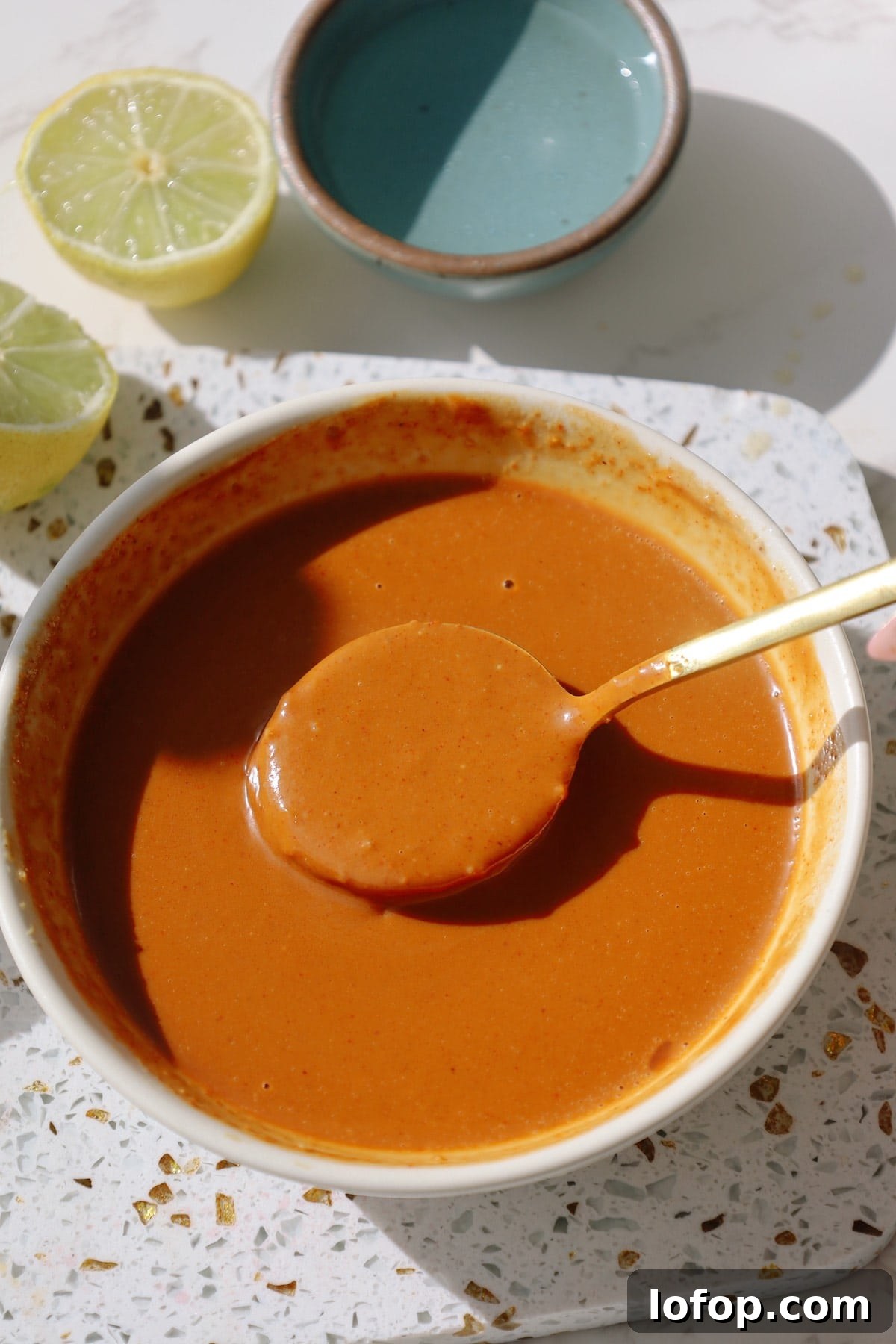
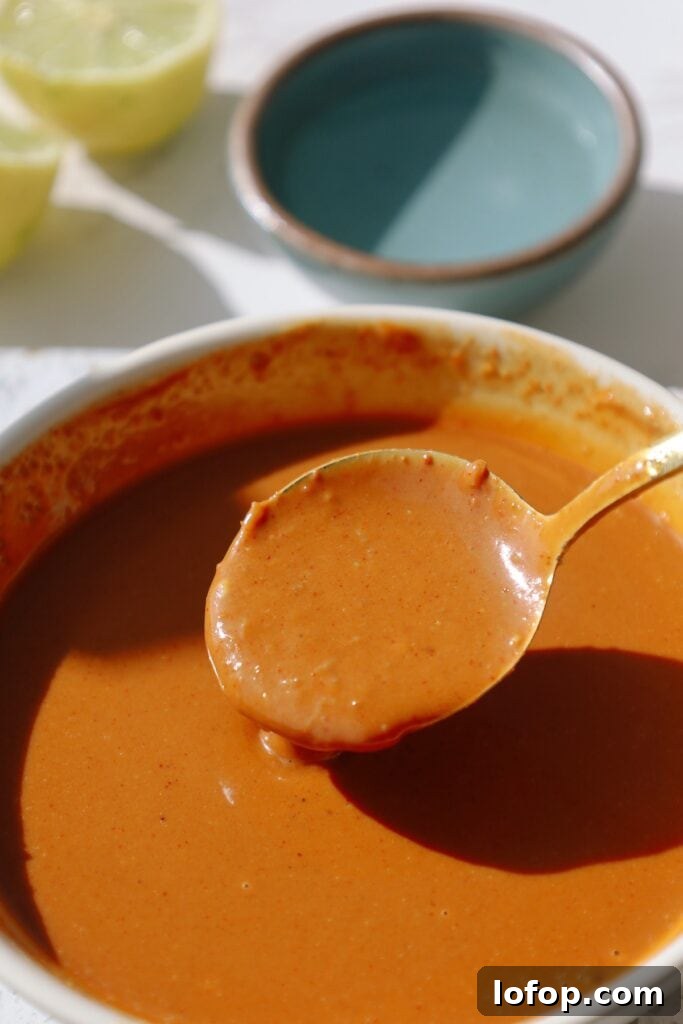
There are sauces, and then there’s Thai peanut sauce — a creamy, nutty, sweet-and-savory blend that elevates everything it touches. Whether you dip spring rolls, toss it with noodles, or spoon it over grilled vegetables, this versatile sauce deserves a place in your kitchen. Best of all, it comes together in minutes using common pantry staples.
Once you’ve made a batch, drizzle it over tofu fresh rolls, crispy spring rolls, or use it as a sauce for grain bowls and salads.
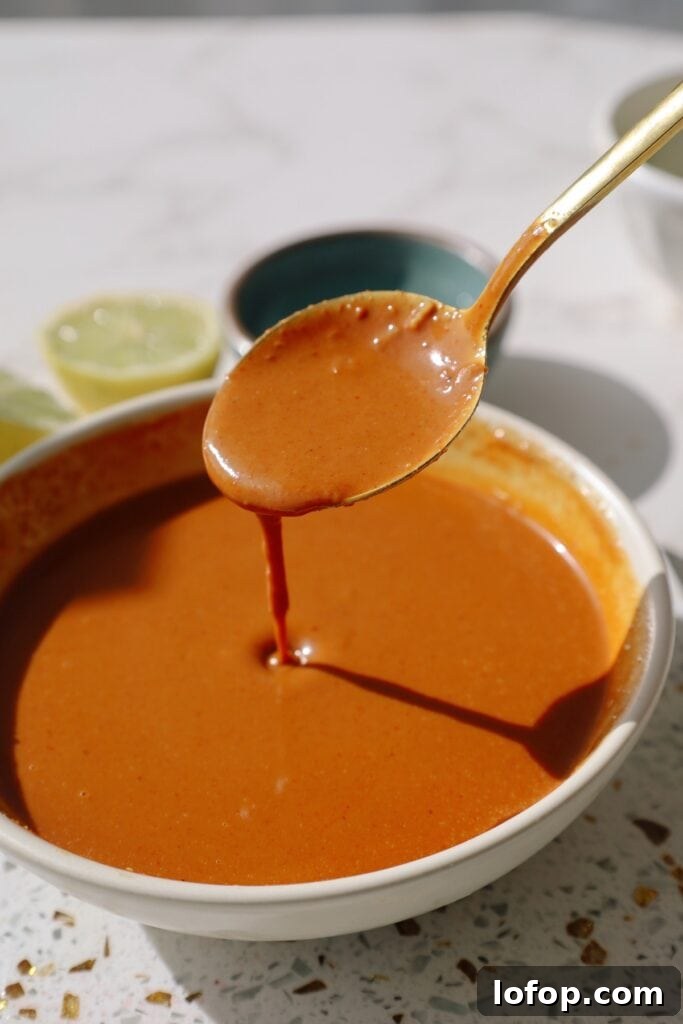
Table of contents
- What Is Thai Peanut Sauce Made Of
- Key Ingredients
- How to Make Thai Peanut Sauce
- Tips for Making Thai Peanut Sauce
- Serving Suggestions – What to Eat with Thai Peanut Sauce
- FAQ
What Is Thai Peanut Sauce Made Of
Traditional Thai peanut sauce — often called satay sauce or nam jim sate — balances salty, sweet, spicy, and tangy notes. In Thailand it commonly accompanies chicken satay, fresh rolls, or steamed rice. Classic recipes often use roasted peanuts, coconut milk, red curry paste, palm sugar, tamarind, and fish sauce.
This version preserves that balance while keeping the recipe simple and vegetarian-friendly. It uses smooth peanut butter, soy sauce, honey, sriracha or Thai chili paste, rice vinegar or lime juice, sesame oil, garlic, and ginger. It’s quick to whisk together and requires no specialty ingredients.
Key Ingredients
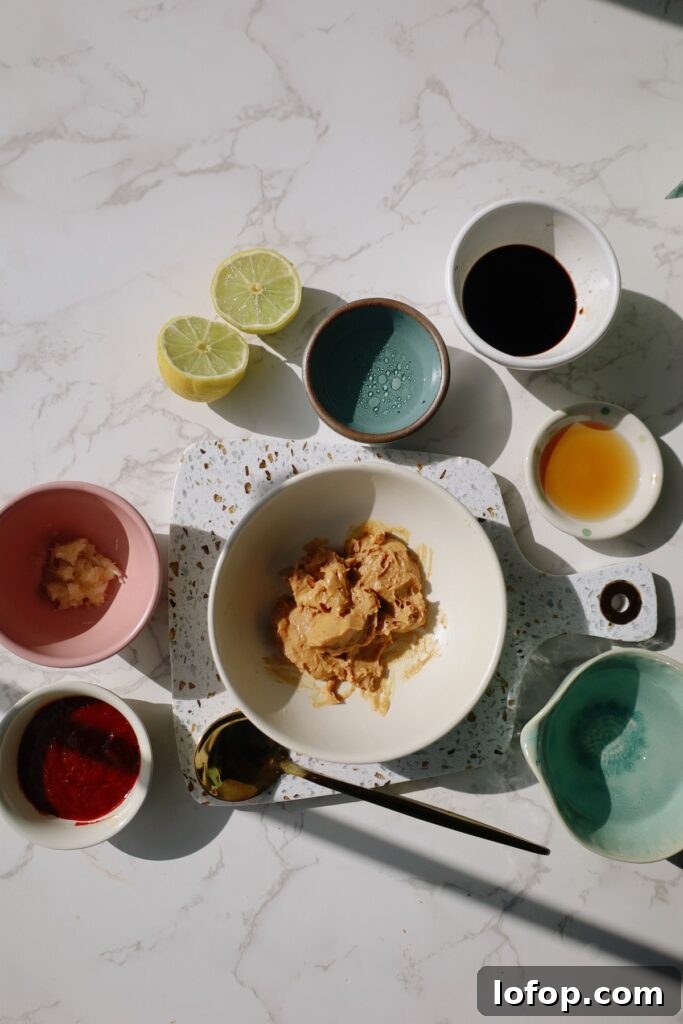
Great Thai peanut sauce is all about balance: creamy and nutty, with salty, sweet, sour, and spicy elements. Below are the main ingredients and why they matter, so you can adapt the recipe to your taste.
Peanut Butter: The base that provides rich, nutty creaminess. Choose a smooth, unsweetened variety for the best balance.
Hot Water: Thins the peanut butter into a silky, pourable sauce and helps the ingredients combine smoothly.
Sriracha or Thai Red Chili Paste: Adds heat. Sriracha delivers a clean chili flavor while Thai red curry paste adds aromatics for a more traditional profile.
Soy Sauce: Supplies salty umami. It stands in for fish sauce in this vegetarian-friendly version without sacrificing depth.
Honey: Balances salt and spice with natural sweetness and gives the sauce a glossy finish. Use maple syrup or agave as alternatives.
Rice Vinegar or Lime Juice: Provides bright acidity. Rice vinegar is mild, while lime juice has a sharper citrus bite.
Sesame Oil: A small amount adds a warm, toasty aroma and depth.
Garlic and Ginger: Aromatics that give the sauce freshness and savory lift.
Coconut Cream (Optional): Replacing some water with coconut cream yields a richer, restaurant-style sauce, but it’s optional.
How to Make Thai Peanut Sauce
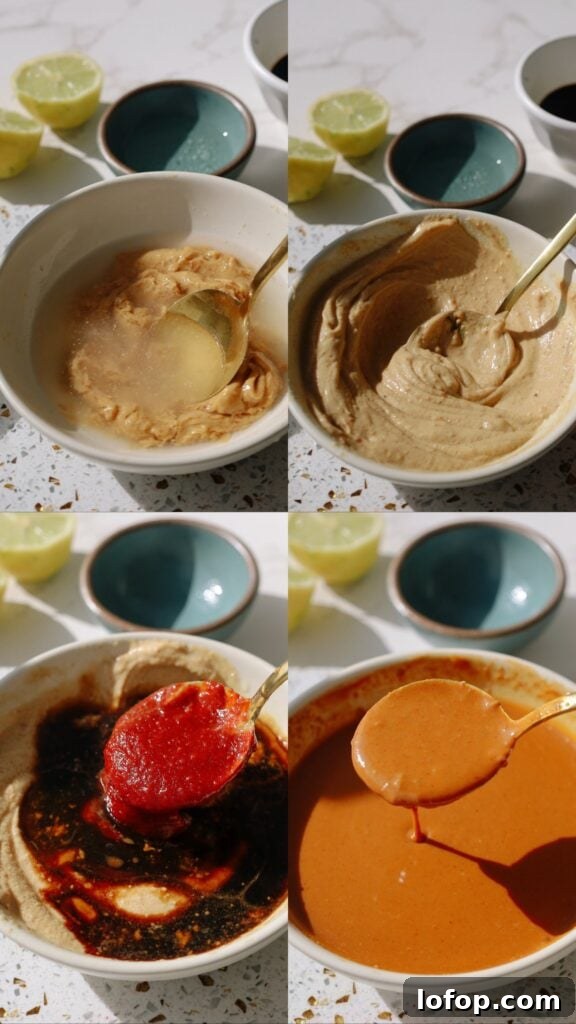
- Whisk peanut butter with hot water until smooth and creamy.
- Stir in sriracha (or Thai red curry paste), soy sauce, honey, rice vinegar or lime juice, sesame oil, garlic, and ginger.
- Taste and adjust: add hot water to thin, more lime for brightness, or more honey for sweetness.
- Let the sauce rest a few minutes so the flavors meld before serving.
Tips for Making Thai Peanut Sauce
Use hot water: It transforms thick peanut butter into a smooth, pourable sauce.
Start thick, then thin: Add liquid gradually — you can always thin the sauce but it’s hard to reverse over-thinning.
Taste and balance: Brighten with lime if it’s too rich, add honey to tame heat, or more soy sauce for deeper umami.
Choose natural peanut butter: Unsweetened or natural varieties prevent the sauce from becoming overly sweet or greasy.
Go easy on sesame oil: A little goes a long way; too much can dominate the flavor.
Serving Suggestions – What to Eat with Thai Peanut Sauce
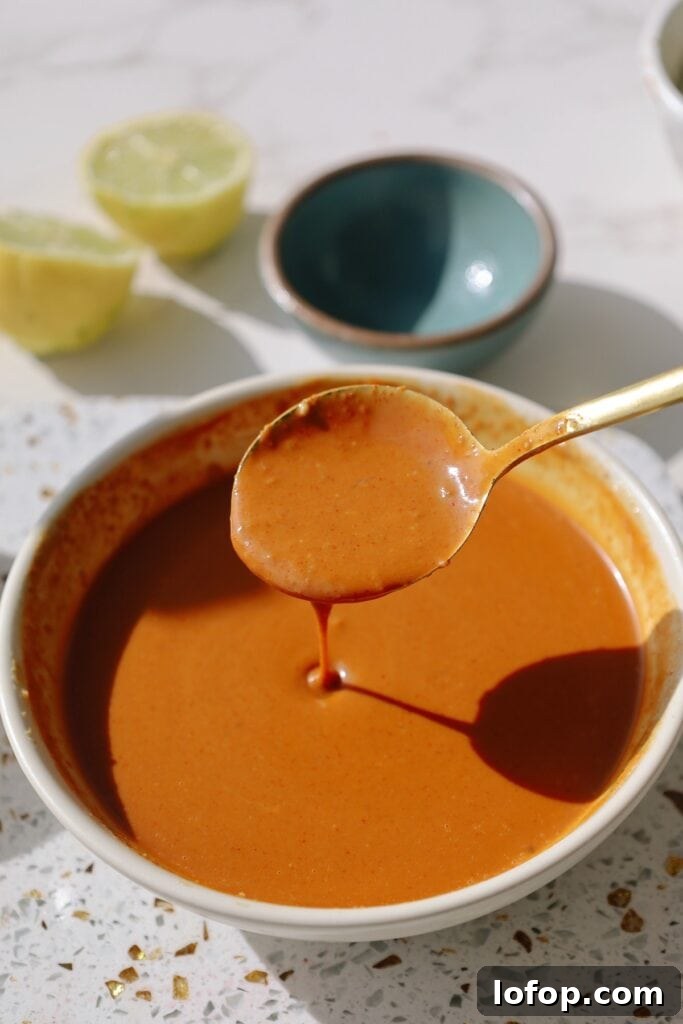
As a dip: Ideal for spring rolls, summer rolls, crispy tofu, and satay skewers.
On noodles: Toss with rice noodles or soba for a quick Thai peanut noodle bowl.
In stir-fries: Stir into vegetables, tofu, or chicken at the end of cooking for immediate flavor.
As a dressing: Thin with a splash of lime and drizzle over salads or grain bowls.
As a marinade: Coat tofu, tempeh, or chicken before grilling or roasting for extra depth.
If you enjoy peanut-forward dishes, try pairing this sauce with hot or cold spicy peanut noodle preparations for variety.
FAQ
Almond or cashew butter are the closest in flavor; sunflower seed butter is a nut-free option. Tahini also works but has a more pronounced sesame taste.
Stored in an airtight container in the refrigerator, it keeps for up to one week. It may thicken; whisk in a little hot water before serving to restore consistency.
Spicy Thai Peanut Sauce Recipe (Easy!)
Pin
Comment
Ingredients
- 1/4 c hot water
- 4 tbsp peanut butter
- 2 tbsp sriracha
- 2 tbsp soy sauce
- 2 tbsp honey
- 1/2 tbsp rice vinegar, or lime juice
- 1/2 tsp ginger paste
- 1 tsp minced garlic
- 2 tsp sesame oil
Instructions
-
Whisk the base: In a medium bowl, whisk peanut butter with hot water until smooth and creamy.
-
Add the flavor boosters: Stir in sriracha, soy sauce, honey, rice vinegar or lime juice, sesame oil, garlic, and ginger. Mix until well combined.
-
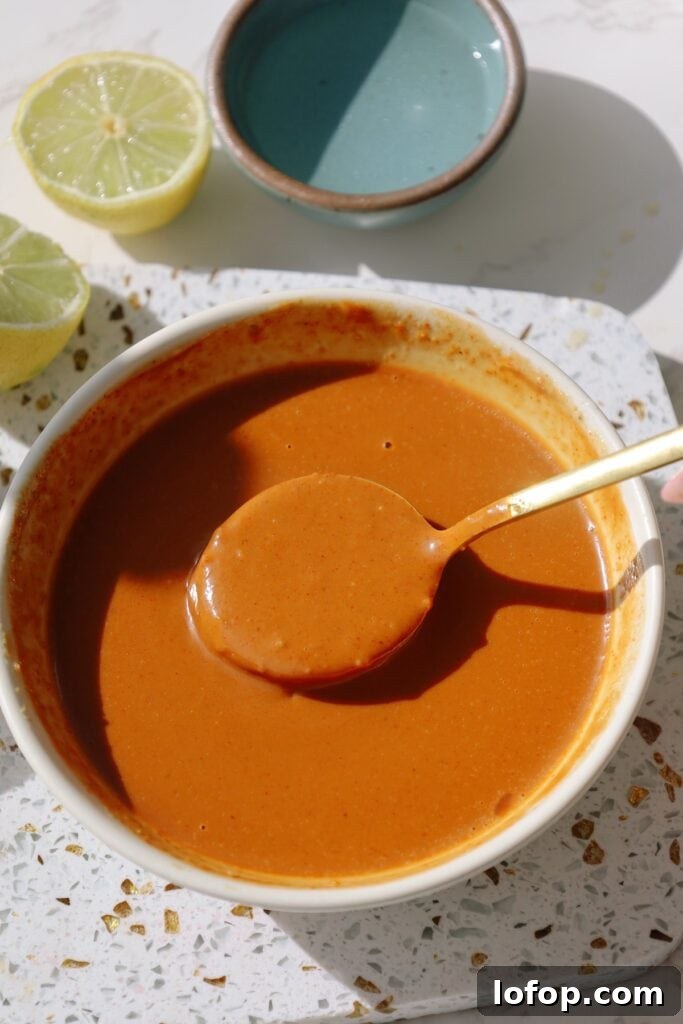
Adjust the texture: Add hot water a little at a time if the sauce is too thick, or whisk in more peanut butter if it’s too thin.
-
Balance the flavor: Taste and tweak — more honey for sweetness, more lime for brightness, or extra chili paste for heat.
Notes
Reheating/loosening: Whisk in hot water or warm gently to return to a pourable consistency.
Substitutions: Swap peanut butter for almond, cashew, or sunflower seed butter. Use tamari for a gluten-free option.
Freezing: Freeze in small containers for up to 2 months. Thaw and whisk before using.
Nutrition
Nutrition information is automatically calculated and should be used as an approximation.