Germs are everywhere, and while washing hands with soap and water is best, you can’t always get to a sink. For those moments, I keep small essential-oil hand sanitizers on hand—in my purse, at my desk, in the glove compartment, in the picnic basket, school bag, and gym bag.
These sprays are simple to make. A few ingredients, a quick shake, and you’re ready. Once you learn the basic recipe, you’ll likely make batches without measuring precisely. They’re fast and convenient to prepare.
Below is a clear, easy-to-follow guide and recipe for a 2-ounce essential-oil hand sanitizer spray that balances sanitizing power with skin-friendly ingredients.
- 1st page – 1 bottle label & 1 recipe card (for personal use)
- 2nd page – 15 hand sanitizer labels (for sharing at classes)
- 3rd page – 4 hand sanitizer recipe cards (print more copies for a class)
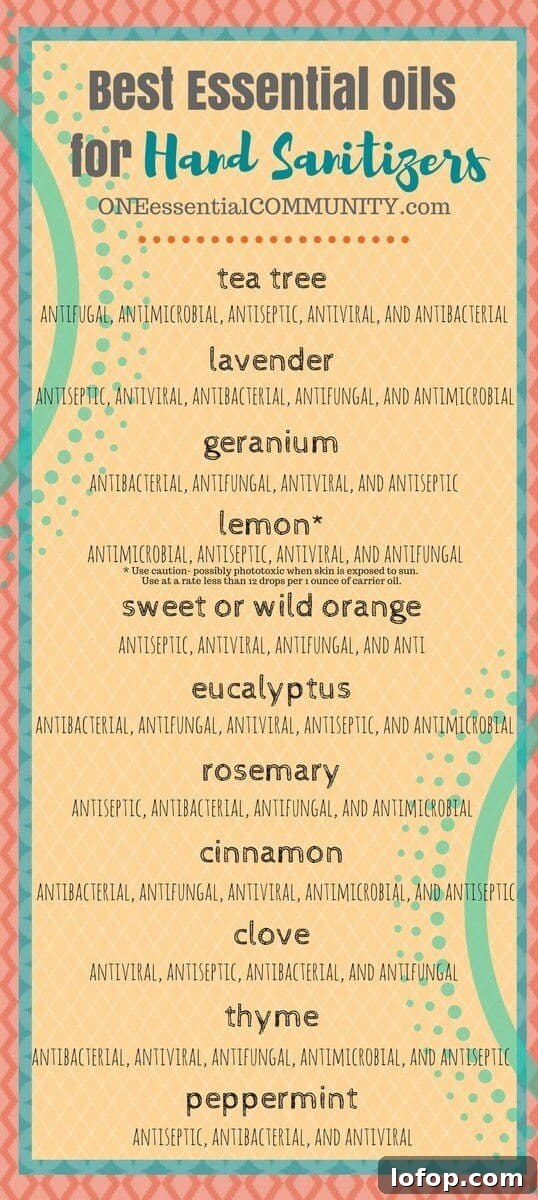
- 4th page – chart of best essential oils for hand sanitizers
What’s in this DIY Hand Sanitizer?
Carrier oil (such as fractionated coconut oil, sweet almond oil, or jojoba) — adds moisture to counteract drying and safely dilutes essential oils.
Aloe vera gel — forms the base of the gel, moisturizing and conditioning hands. Use a high-quality, natural aloe vera gel rather than products labeled in misleading ways that may include unnecessary additives.
Essential oils — chosen for antibacterial, antiviral, antimicrobial, and antiseptic properties (see recommended oils below).
Vitamin E — moisturizes and helps slow oil rancidity.
Glycerin — helps disperse essential oils into the alcohol, moisturizes skin, and forms a protective layer.
Alcohol — the active disinfecting ingredient. For effectiveness, the final product should contain at least 60% alcohol, as recommended by health authorities.
Best Essential Oils for Hand Sanitizers
Tea tree – antifungal, antimicrobial, antiseptic, antiviral, antibacterial.
Lavender – antiseptic, antiviral, antibacterial, antifungal.
Geranium – antibacterial, antifungal, antiviral, antiseptic.
Lemon* – antimicrobial, antiseptic, antiviral, antifungal. Use caution: cold-pressed lemon oil can be phototoxic and should be used sparingly and diluted properly.
Sweet or wild orange – antiseptic, antiviral, antifungal, antibacterial.
Eucalyptus – antibacterial, antifungal, antiviral, antiseptic, antimicrobial.
Rosemary – antiseptic, antibacterial, antifungal, antimicrobial.
Cinnamon – antibacterial, antifungal, antiviral, antimicrobial, antiseptic.
Clove – antiviral, antiseptic, antibacterial, antifungal.
Thyme – antibacterial, antiviral, antifungal, antimicrobial, antiseptic.
Peppermint – antiseptic, antibacterial, antiviral.
* Use caution with cold-pressed lemon essential oil due to potential phototoxicity. Dilute appropriately when applying to skin.
How to Make Hand Sanitizer Spray
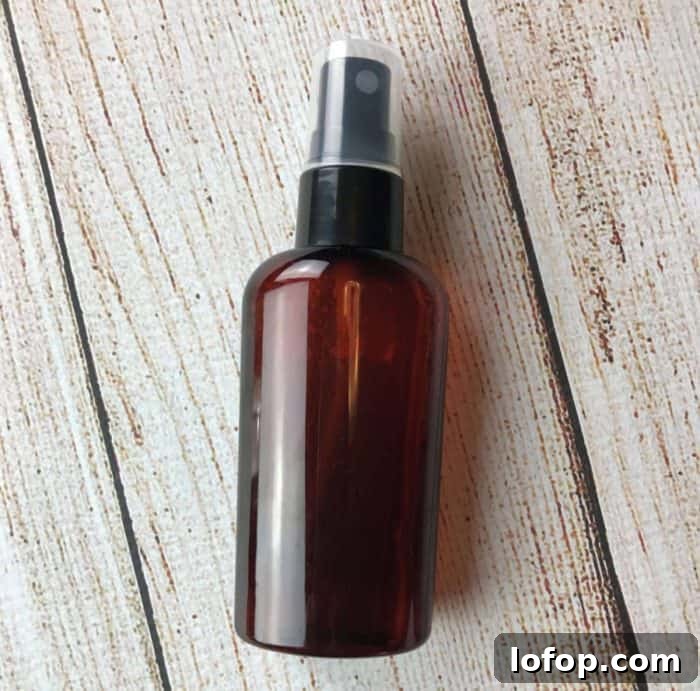
Step 1: Start with a 2-ounce spray bottle
Step 2: Add 1/2 teaspoon carrier oil
Use fractionated coconut oil, sweet almond oil, or jojoba oil.
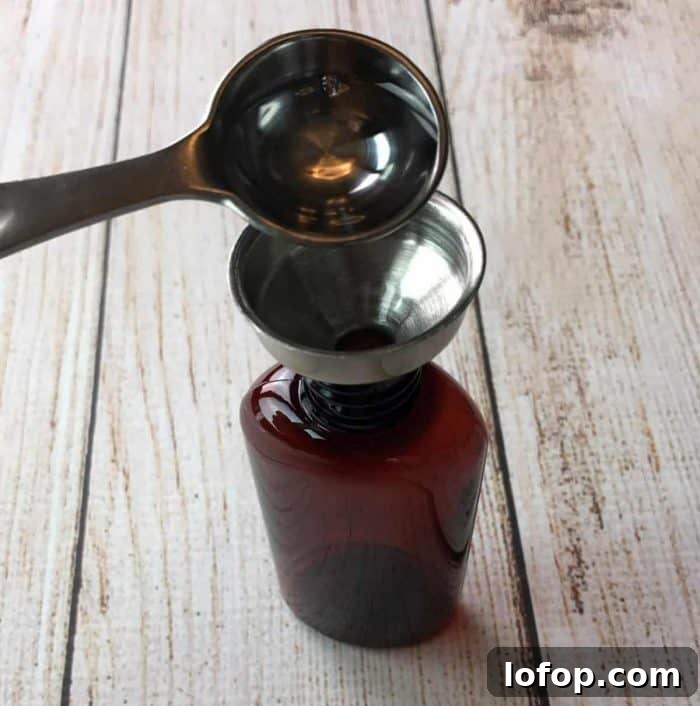
Step 3: Add 2 teaspoons aloe vera gel
Aloe vera moisturizes and conditions your hands — don’t skip it.
Step 4: Add 10–12 drops of essential oil
Suggested blends:
Blend 1 → 4 drops tea tree + 4 drops lavender + 2 drops lemon
Blend 2 → 4 drops eucalyptus + 3 drops rosemary + 5 drops lavender
Blend 3 → 2 drops cinnamon + 2 drops clove + 2 drops lemon + 2 drops eucalyptus + 2 drops rosemary + 2 drops orange
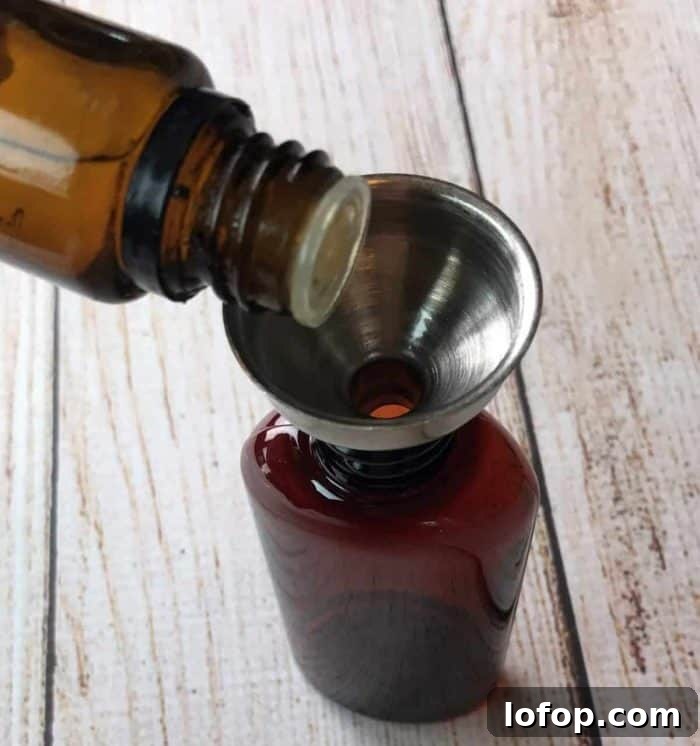
Step 5: Add 2–3 drops vitamin E
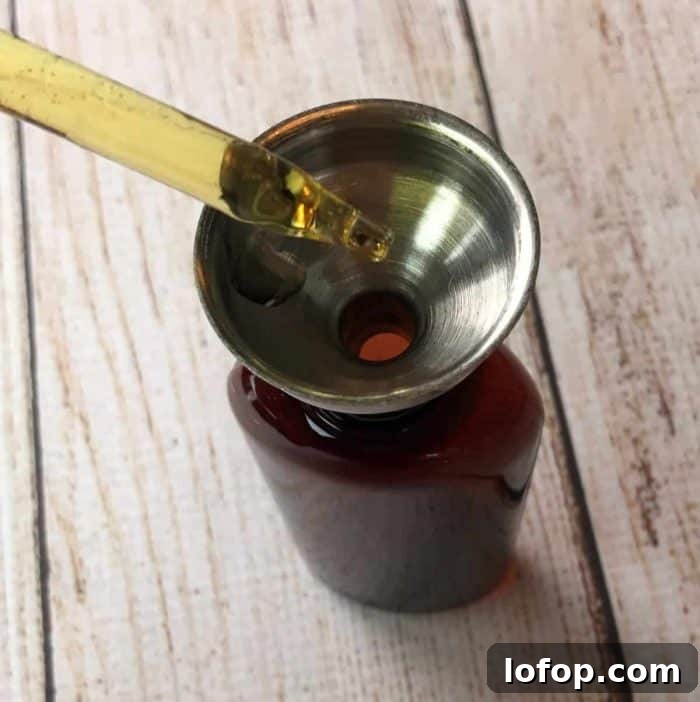
Step 6: Add 1/2 teaspoon glycerin
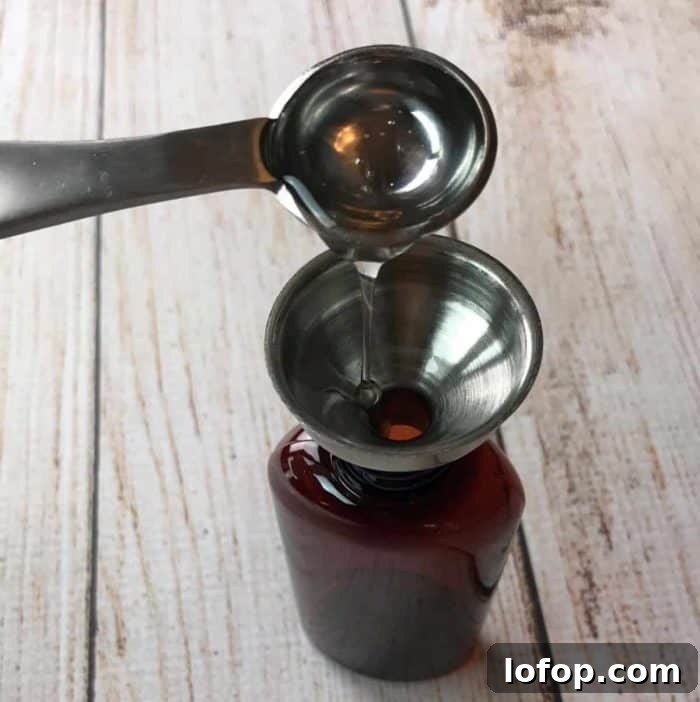
Step 7: Fill most of the bottle with alcohol (about 3 tablespoons)
Leave a little room for the spray top. You can use ethanol (drinkable grain alcohol) or isopropyl alcohol (rubbing alcohol). Both are effective when the final mixture contains at least 60% alcohol.
Examples of suitable alcohols:
- High-proof ethanol (160 proof or higher) such as Everclear or similar grain alcohols — these have very high ethanol percentages.
- Isopropyl alcohol — use 91% or 99% isopropyl; avoid 70% because the final mixture needs ≥60% alcohol after adding other ingredients.
Step 8: Put on the spray top
Step 9: Shake to mix
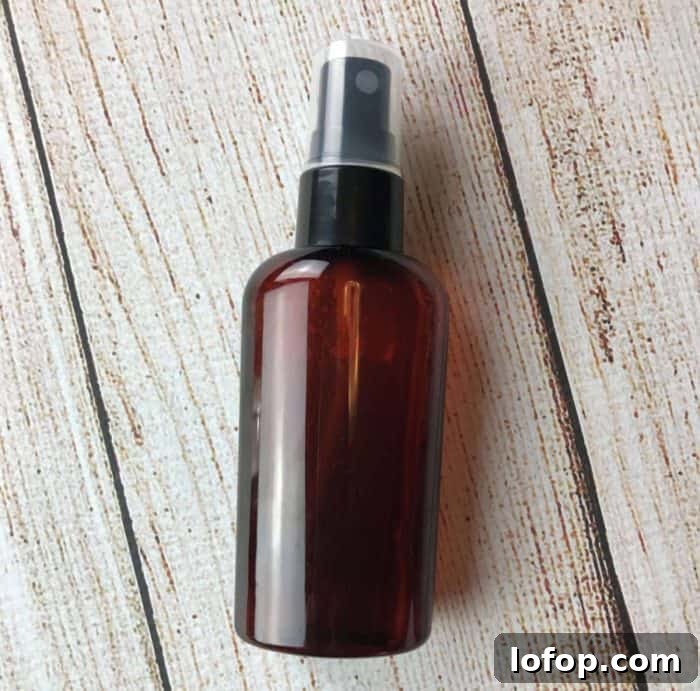
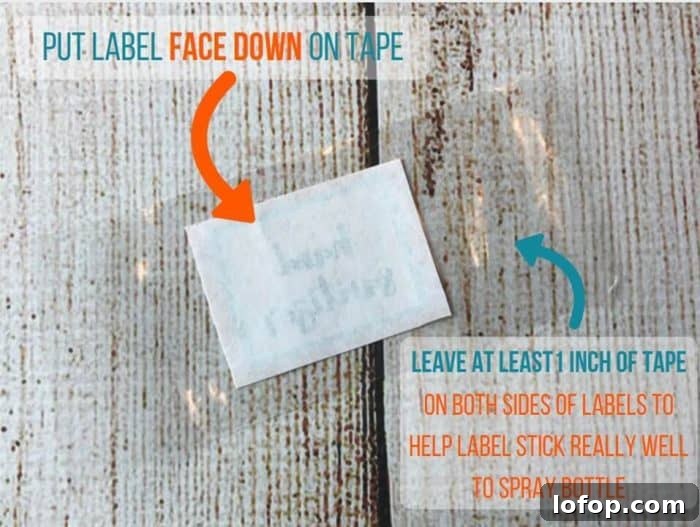
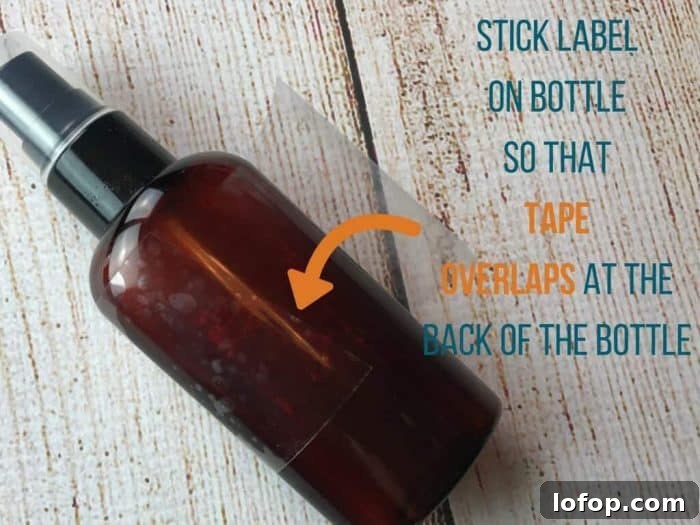
Step 10: Print and apply labels
Print labels and recipe cards as needed. Cut out the label, place it face down on packing tape, then adhere it to the bottle so the tape overlaps at the back for protection.
Hand Sanitizer Recipe (Summary)
To a 2-ounce spray bottle:
• 1/2 teaspoon carrier oil (fractionated coconut, sweet almond, or jojoba)
• 2 teaspoons aloe vera gel
• 10–12 drops essential oil (see suggested blends above)
• 2–3 drops vitamin E
• 1/2 teaspoon glycerin
• Fill most of the bottle with 91% isopropyl alcohol or 160+ proof grain alcohol, leaving room for the spray top
Put the spray top on and shake to combine.
Where to Get Supplies
Common supplies include 2 oz spray bottles, carrier oils (fractionated coconut, sweet almond, jojoba), aloe vera gel, vitamin E, glycerin, and high-proof ethanol or 91%–99% isopropyl alcohol. Local drugstores, specialty shops, or reputable online retailers typically carry these items.
Please note: Products mentioned here have not been evaluated by the FDA. This information is not intended to diagnose, treat, cure, or prevent any disease and is not a substitute for professional medical advice. Consult a medical professional for health concerns.
Disclaimer: This page may contain affiliate links. If you purchase through certain links, a small commission may be earned at no extra cost to you. Thank you for your support.