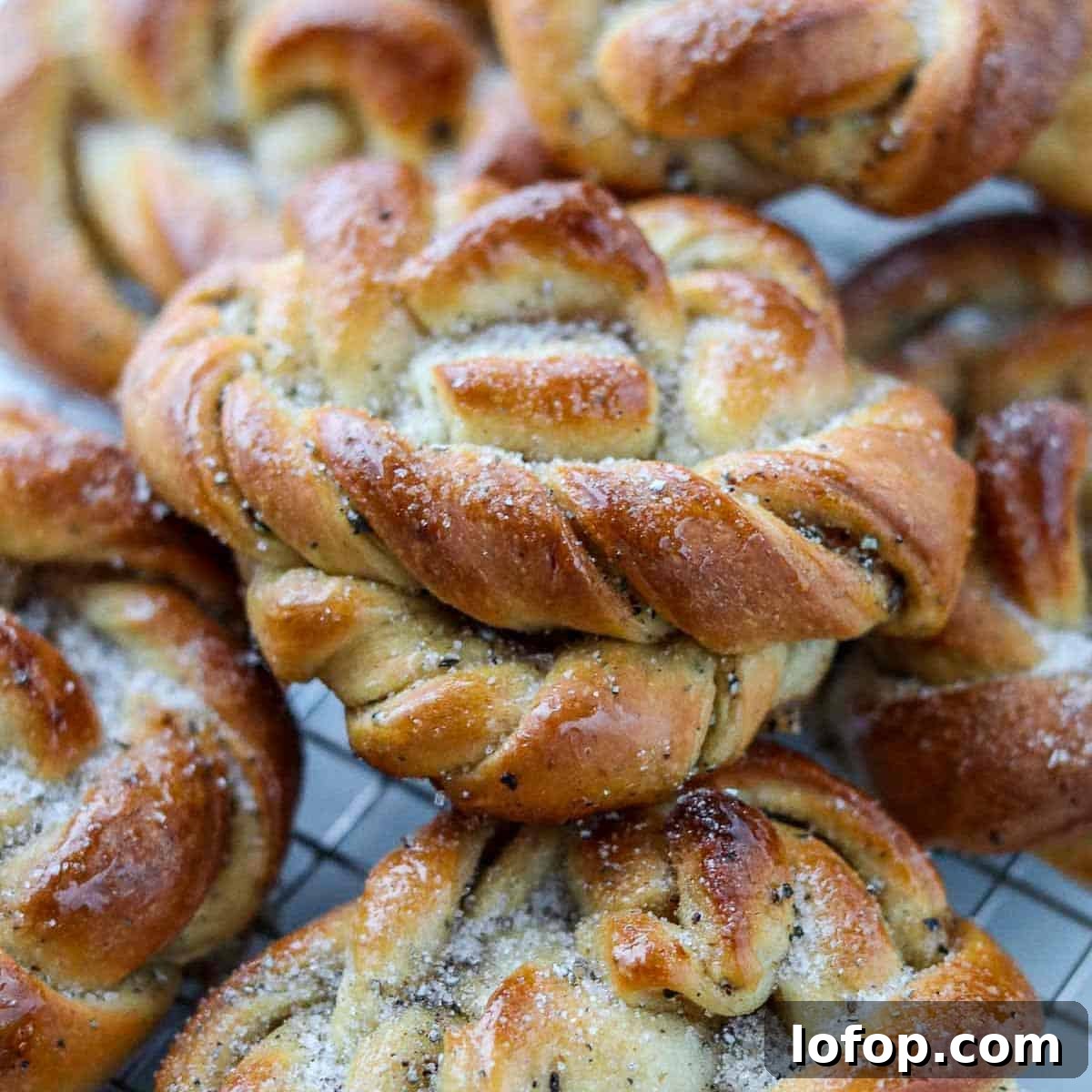
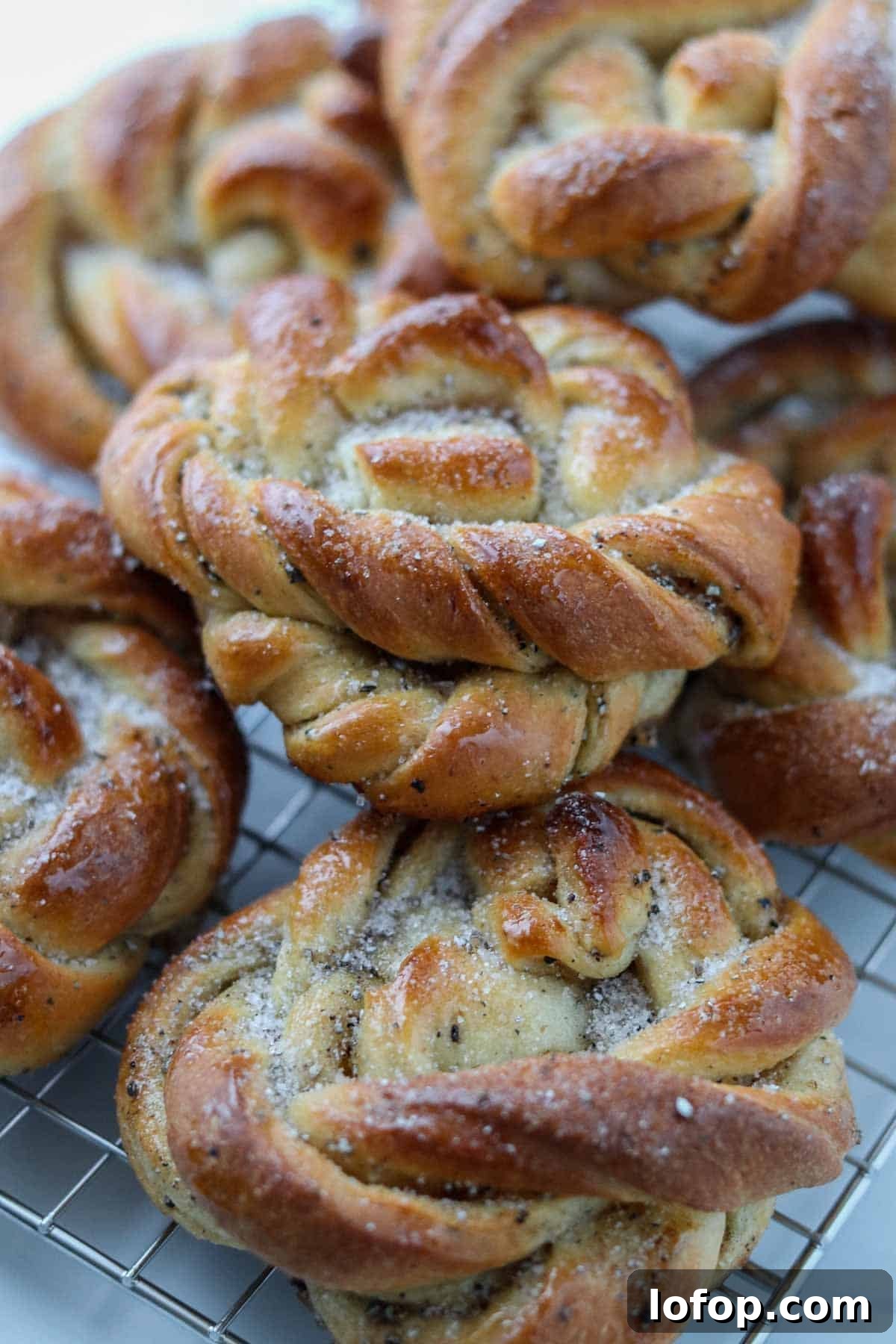
Soft, pillowy sweet buns and enriched breads with a tender crumb don’t happen by chance. Many home bakers achieve bakery-style texture by using a simple technique called the tangzhong method. Originating in Asian milk breads, tangzhong involves cooking a small portion of the flour and liquid into a paste before incorporating it into the dough. The result is dough that holds more moisture, bakes up lighter and springier, and stays soft longer. This guide explains what tangzhong is, why it works, and how to use it in your own baking.
What Is Tangzhong?
Tangzhong is a pre-cooked flour mixture made by gently heating a small portion of flour with liquid until it thickens into a smooth paste. Think of it like making a light roux or pudding: the flour and liquid are cooked together, then cooled and added to the dough. Because the starches in the flour have already gelatinized, the flour can absorb and retain more moisture when mixed into the full dough.
This simple step improves hydration and structure, producing breads and buns that are noticeably softer and more tender. While the technique is often linked to Japanese milk bread, it works well in many enriched doughs—anything with butter, milk, sugar, or eggs benefits from the added moisture retention.
Why the Tangzhong Method Works
When flour is heated with liquid, its starches gelatinize: they swell and bind water more effectively. That gelatinized paste traps moisture, allowing the final dough to remain hydrated without becoming sticky. The benefits in everyday baking include:
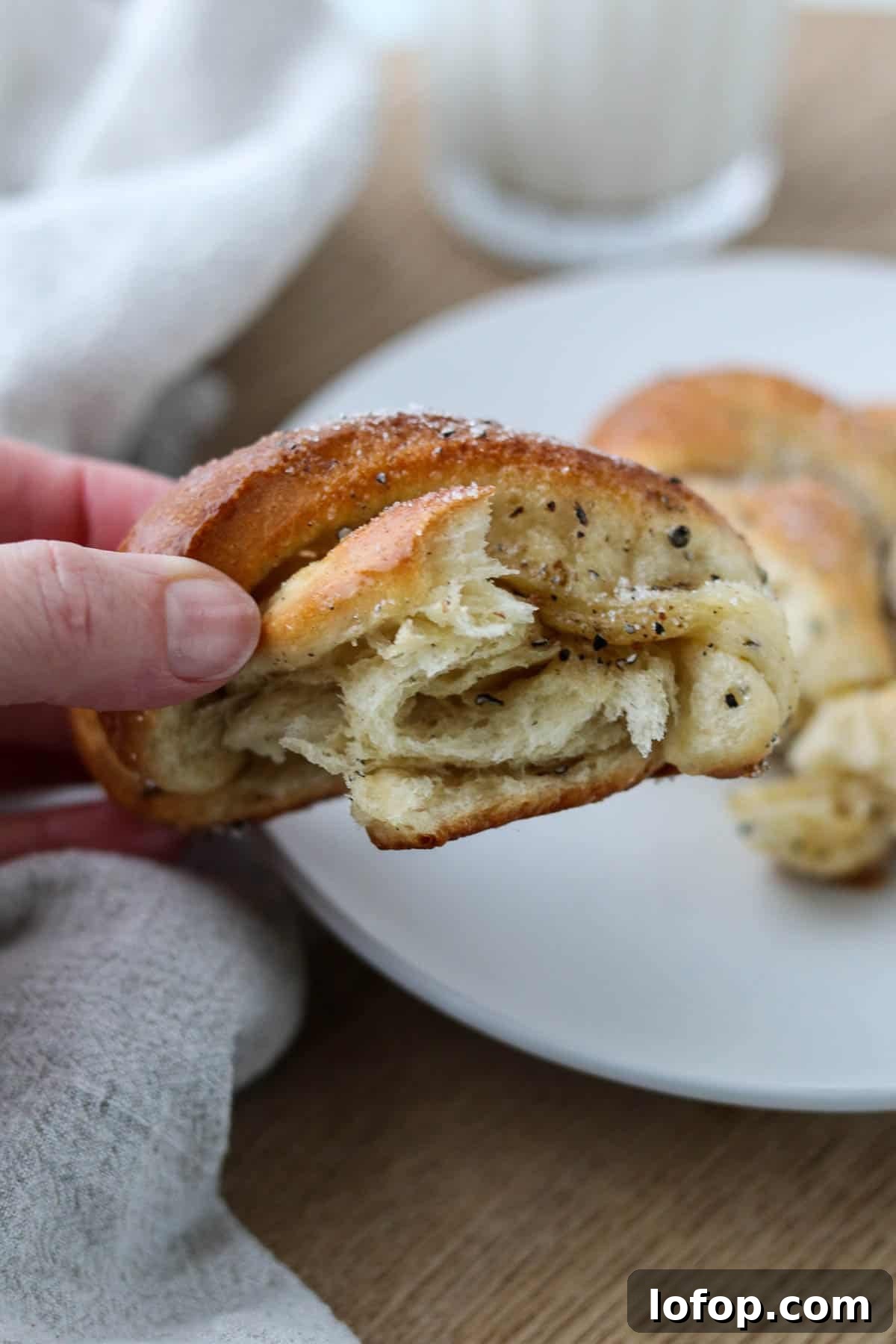
- Softer crumb: Breads and buns bake up light, airy, and tender rather than dense or dry.
- Longer freshness: Increased moisture retention helps loaves and buns stay soft for several days.
- Smoother, more elastic dough: Doughs are easier to shape and often handle better.
- Improved oven spring: Hydration supports a stronger rise during baking.
- Delicate chew: You get structure without toughness.
Enriched doughs that include butter, sugar, and eggs can be weighed down by those ingredients; tangzhong provides the extra support and moisture to keep them pillowy instead of heavy.
How to Adapt a Sweet Bun Recipe Using the Tangzhong Method
Adding tangzhong to most enriched dough recipes takes only a small adjustment. Rather than adding extra ingredients, you pre-cook a portion of the flour and liquid from the original recipe and subtract those amounts from the totals.
A classic tangzhong ratio is 1 part flour to 5 parts liquid by weight, but you don’t need perfect precision for good results—small variations are forgiving. Even a few tablespoons of cooked paste will improve softness and shelf life.
A Simple Approach for Home Bakers
Follow these practical steps:
- Remove a small portion of flour from the recipe (for example, 2–4 tablespoons for a standard 12-bun batch).
- Combine that flour with the corresponding portion of milk, water, or a mix—roughly 3–5 tablespoons of liquid per tablespoon of flour for a loose slurry. Subtract this liquid from the recipe’s total liquid.
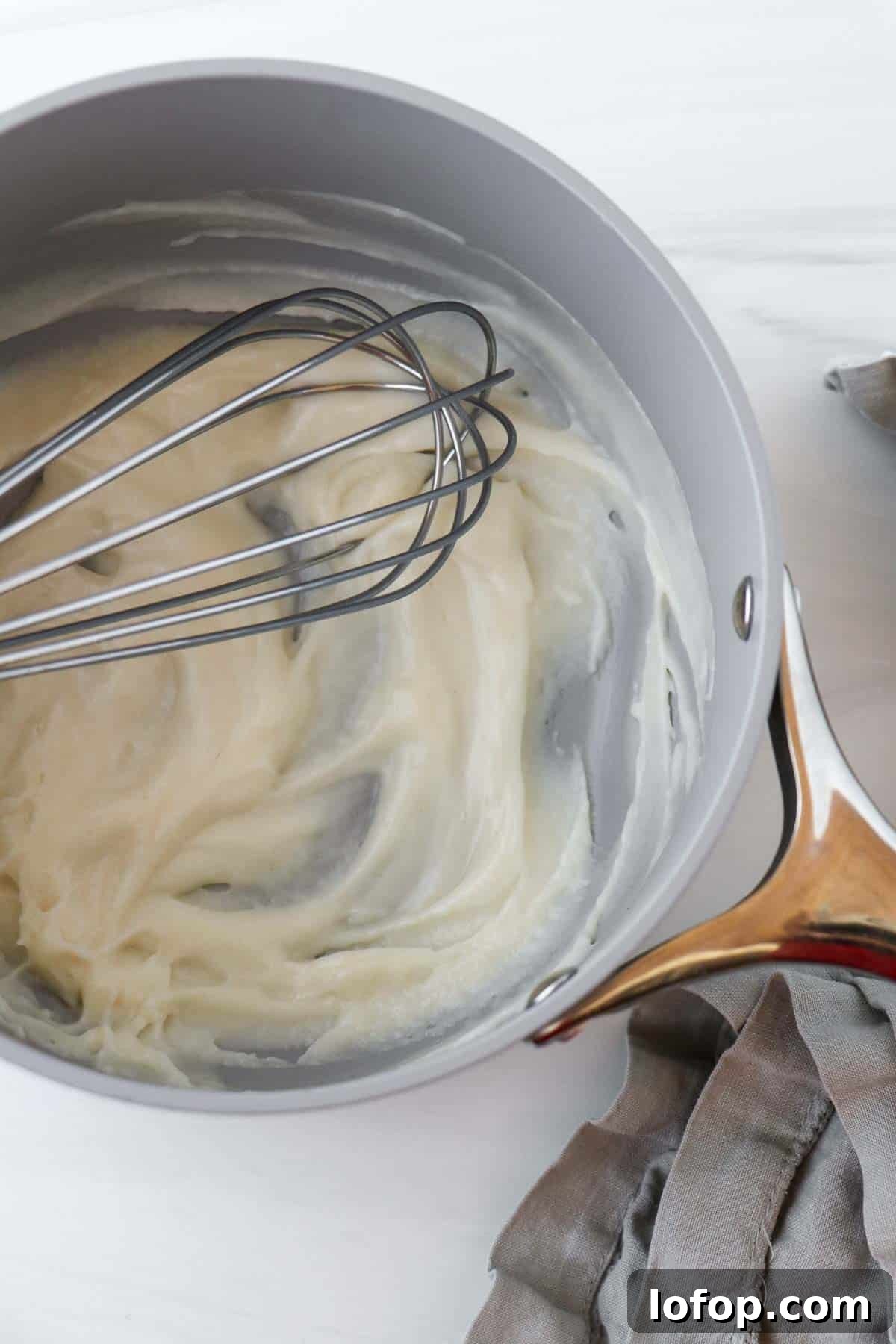
- Cook the mixture over medium heat, stirring constantly, until it thickens into a smooth, pudding-like paste.
- Cool the tangzhong completely, then add it to the dough with the remaining ingredients.
For best results, take the flour and liquid used for tangzhong directly from the recipe totals rather than adding extra. The final dough will often feel softer and slightly more elastic—this is normal and desirable. The method is forgiving, so small measurement differences won’t ruin the dough.
FAQs About the Tangzhong Method
Yes. You can prepare tangzhong up to a day ahead and store it in an airtight container in the refrigerator. Bring it to room temperature and whisk smooth before using.
Freezing is possible but usually unnecessary. Tangzhong only takes a few minutes to make, so most bakers prefer to prepare it fresh. If frozen, thaw completely and whisk before use.
Both work well. Milk yields a richer, softer crumb; water keeps the dough lighter. A mix of milk and water is a common choice for sweet buns.
Right after cooking, tangzhong should resemble a thick pudding or roux. It will thicken further as it cools.
Tangzhong is most effective in enriched doughs—sweet buns, cinnamon rolls, soft sandwich breads, and similar recipes. It’s not necessary for crusty artisan loaves where a chewy or crisp crust is desired.
Recipes that Use the Tangzhong Method


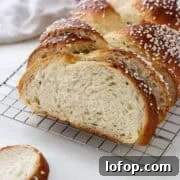
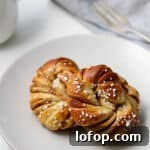


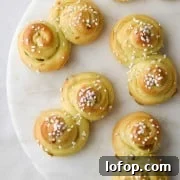
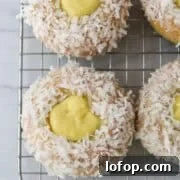
The tangzhong method is a small step that delivers a big difference. Briefly cooking part of the flour and liquid creates sweeter, softer buns and enriched breads that stay fresh longer—without special equipment or complicated techniques. If you bake cinnamon buns, cardamom buns, or other sweet rolls, try tangzhong in your next batch. Start with one of the recipes above and notice the improved texture and shelf life. If you try the method, consider keeping notes on proportions and results so you can fine-tune it for your favorite doughs.