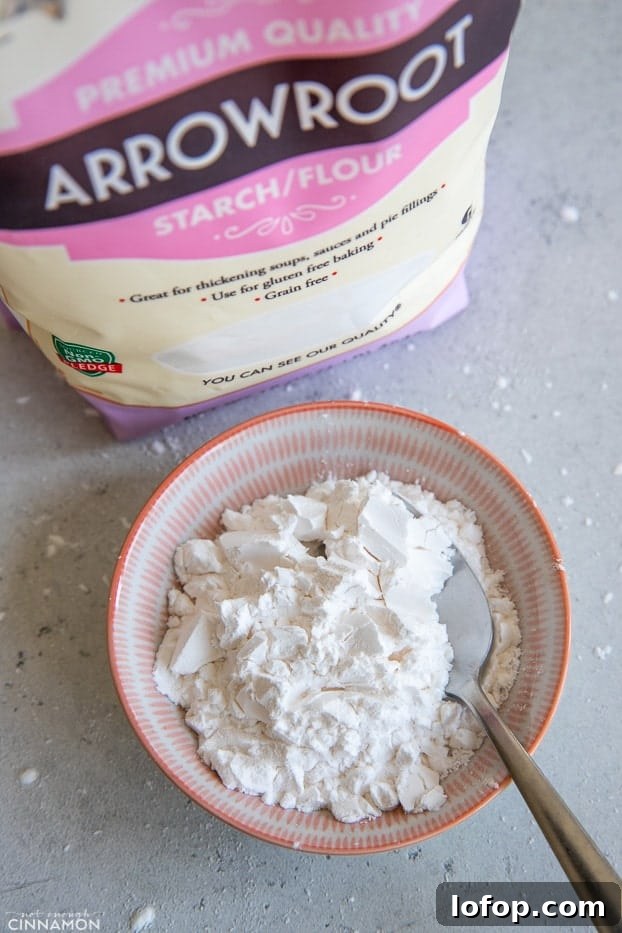
What is arrowroot powder, how to use it and what are its health benefits? Learn everything you need to know about this grain-free starch in this ultimate guide to arrowroot.
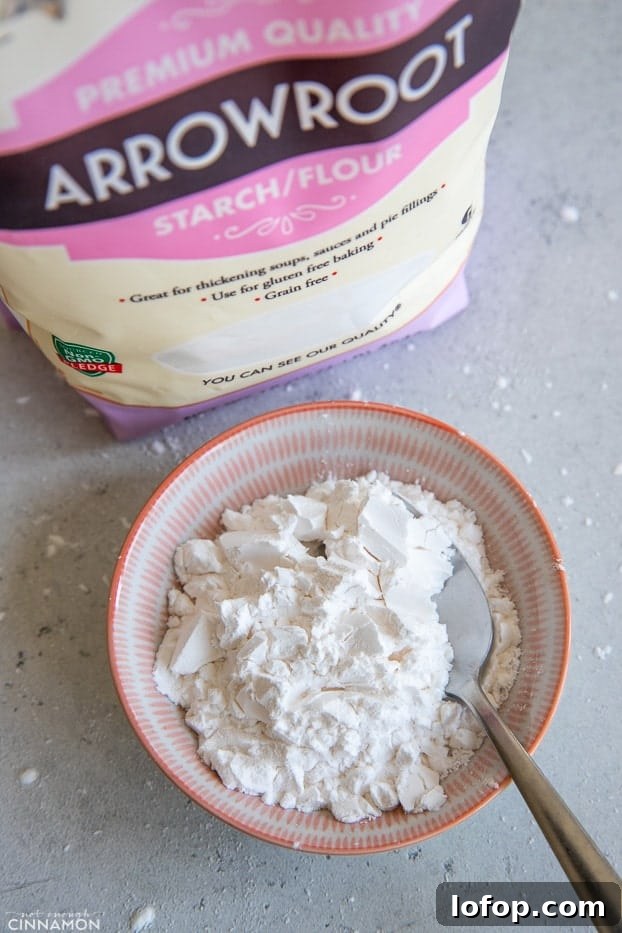
I enjoy sharing recipes, but I also like to open my pantry and highlight ingredients I rely on. After writing about coconut sugar and agar agar, I want to introduce arrowroot powder. It’s a versatile, grain-free starch that works well in both sweet and savory cooking, and suits gluten-free, vegan, and paleo diets.
What is arrowroot powder and what is it used for?
Arrowroot powder is a fine white starch extracted from the tuber of Maranta arundinacea. The harvested root resembles cassava or yucca in shape. Arrowroot is naturally gluten-free and grain-free, making it a popular option for people with grain sensitivities. It is generally easy to digest and contains some fiber, which helps with satiety and digestion.
Nutritively, arrowroot offers modest amounts of potassium, iron, and B vitamins. These nutrients support energy metabolism and circulation. The product is commonly sold as arrowroot powder, arrowroot flour, or arrowroot starch—terms that can be used interchangeably. Store it in an airtight container in a cool, dry place and choose a reputable brand for best results.
How to use arrowroot as a thickener:
Arrowroot is an excellent thickening agent and performs particularly well in acidic mixtures, so it’s ideal for fruit sauces like cranberry sauce and many sweet or tangy sauces, such as teriyaki. It’s also useful for thickening soups, gravies, and savory sauces.
When using arrowroot as a thickener for sauces and gravies, keep these guidelines in mind:
- Always make a slurry first. Mix the powder with a small amount of cold liquid until smooth—this prevents clumping. You can use water, broth, wine, or fruit juice depending on the recipe. Never add arrowroot directly to a hot liquid, as it will clump.
- Arrowroot breaks down at sustained high heat. Unlike cornstarch, which benefits from a short cooking period, arrowroot should be added at the end of cooking and heated only briefly to avoid losing its thickening power and texture.
- Use the recommended amounts. Adding too much arrowroot can result in an overly gelled or gluey texture.
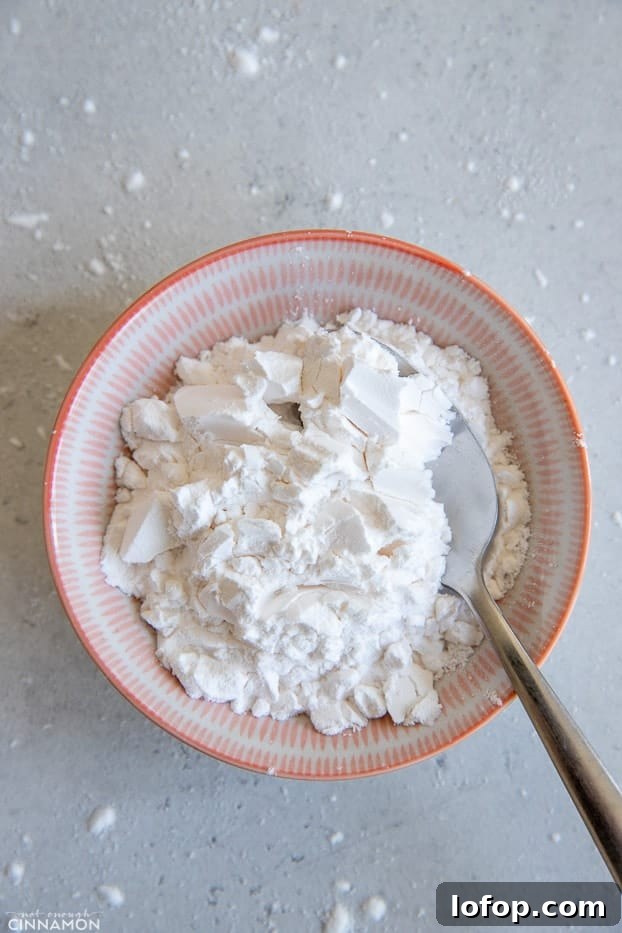
How to use arrowroot powder for baking:
Beyond thickening, arrowroot is useful in baking. It blends well with almond flour, coconut flour, and tapioca flour to improve texture in gluten-free breads and desserts. I use arrowroot to add crispness to crumbles and bars, and a light dusting on sweet potato fries before baking helps them crisp up.
It also works as a coating mixed with dried herbs for chicken before frying or baking to give a light, crisp crust.
How to Substitute Arrowroot:
- Substitute arrowroot for cornstarch at a ratio of 2 teaspoons arrowroot for every 1 tablespoon cornstarch.
- Substitute arrowroot for flour thickeners at a ratio of 1 teaspoon arrowroot for every 1 tablespoon flour.
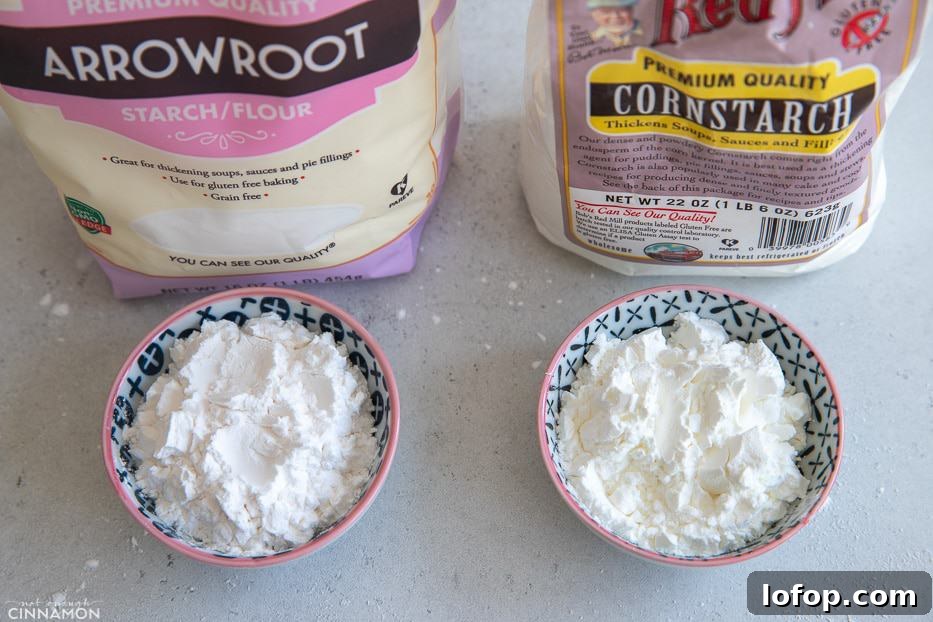
Arrowroot vs cornstarch:
Cornstarch is a common thickener for gravies, stews, and sauces. Arrowroot differs in its simpler, less industrial extraction: the tubers are washed, peeled, pulped, strained, and the liquid is dried into a fine powder. Because of concerns about corn allergies, GMOs, and pesticides, many cooks are turning to arrowroot as an alternative.
Arrowroot delivers a neutral flavor and a clear, glossy finish, while cornstarch can leave a slightly cloudier appearance and a subtle taste. Both are effective thickeners, but arrowroot is preferred when clarity and a delicate mouthfeel are desired.
What is a good replacement for arrowroot powder?
For recipes that call for 2 teaspoons of arrowroot, suitable alternatives include:
- 1 tablespoon quick-cooking tapioca
- OR 1 ½ teaspoons cornstarch
- OR 1 teaspoon instant mashed potato flakes
For low-carb or keto needs, xanthan gum is a strong alternative. It produces a creamy texture, works as an emulsifier, and helps bind liquids that wouldn’t normally mix well—use it sparingly according to recipe guidelines.
Sweet & Savory Recipes using arrowroot:
Here are some favorite ways to use arrowroot in both savory and sweet dishes.
Savory recipes:
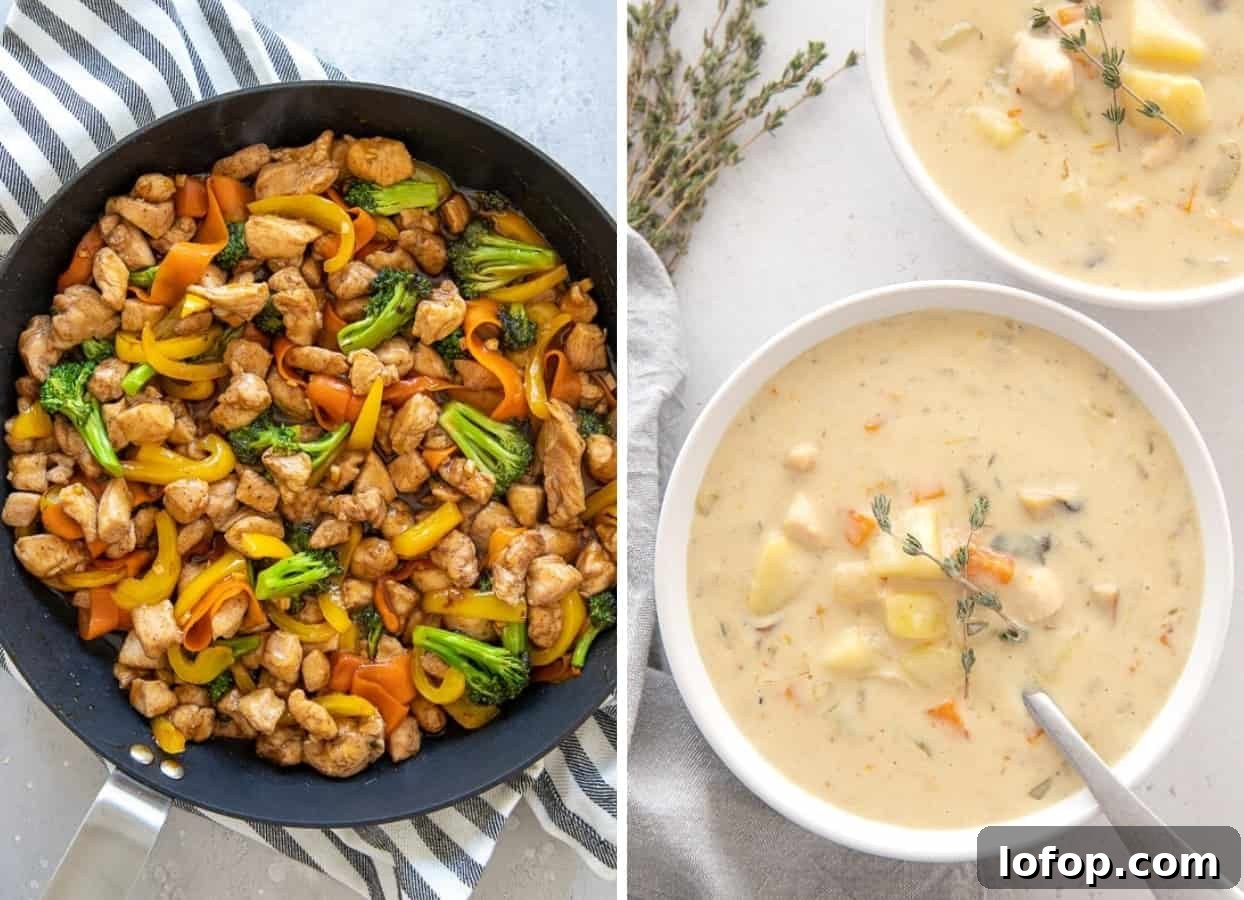
Chinese 5 Spice Vegetable Stir-fry
Chicken Pot Pie Soup
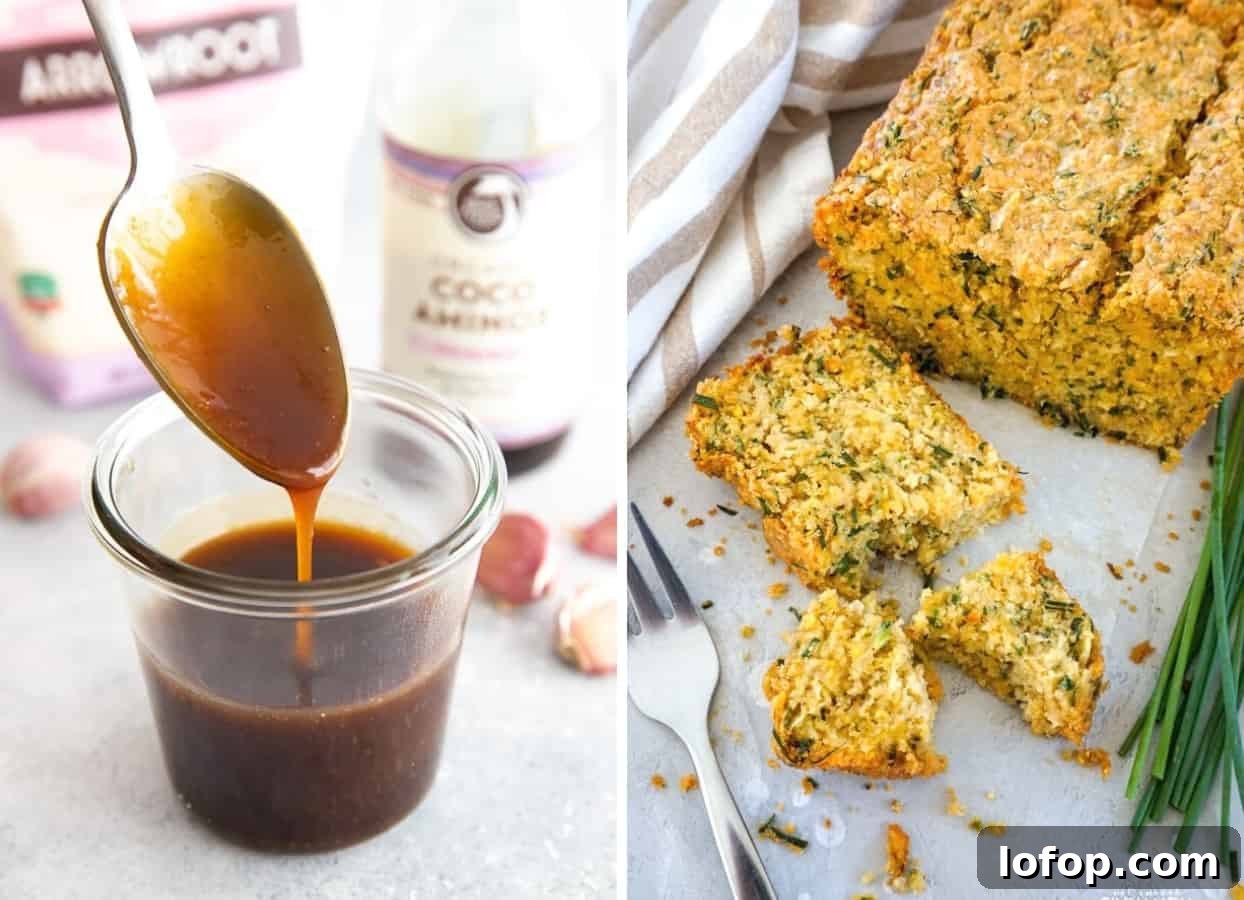
Teriyaki Sauce for Sheet Pan Chicken
Gluten-free Cheddar Chive Zucchini Bread
Sweet recipes using arrowroot powder:

Paleo Raspberry Almond Butter Bars
Paleo Almond Flour Chocolate Chip Scones
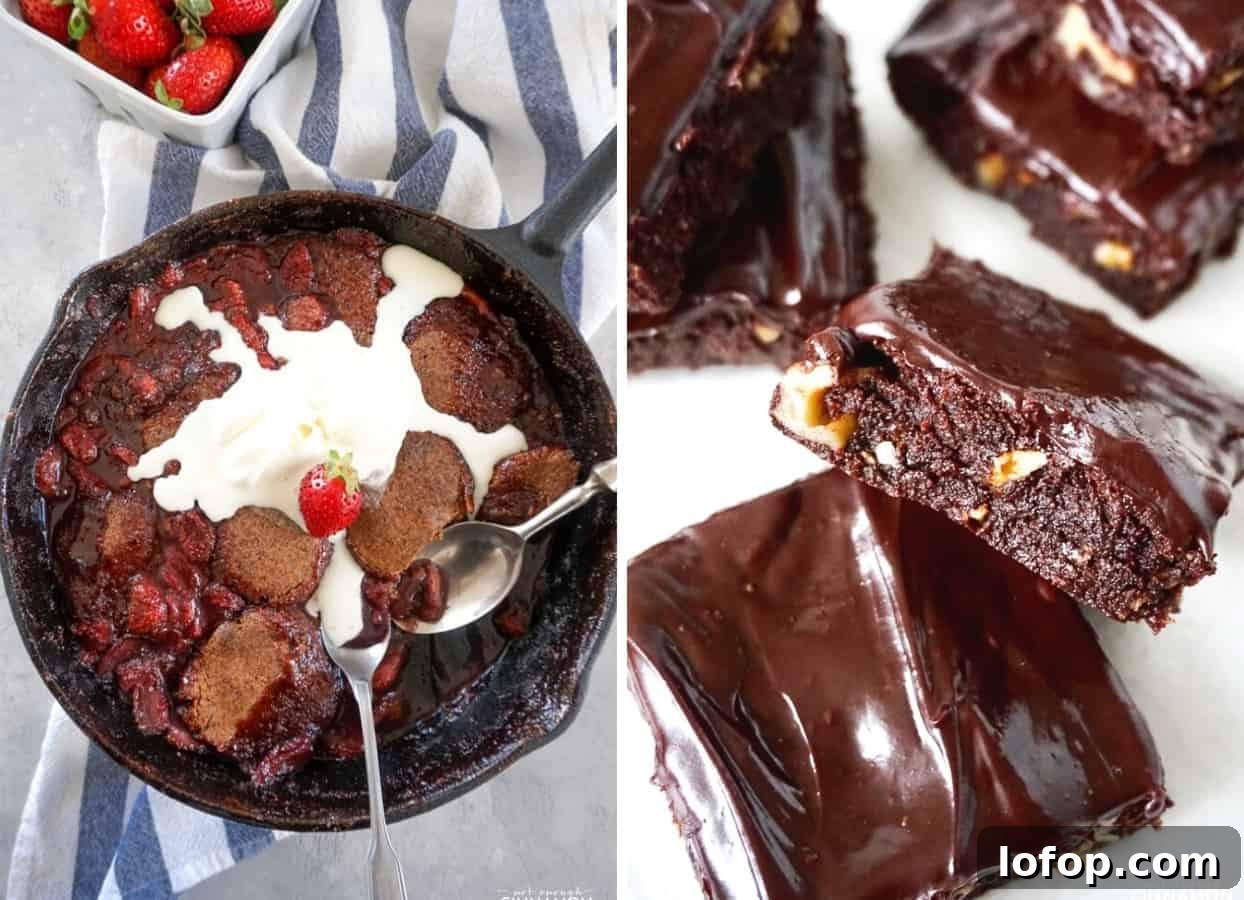
Healthy Strawberry Cobbler
Fudgy Paleo Brownies
Have you cooked with arrowroot powder before? Share your experience in the comments — I love hearing from readers!
You might also be interested in:
- Everything you need to know about Coconut Sugar
- Everything you need to know about Agar Agar