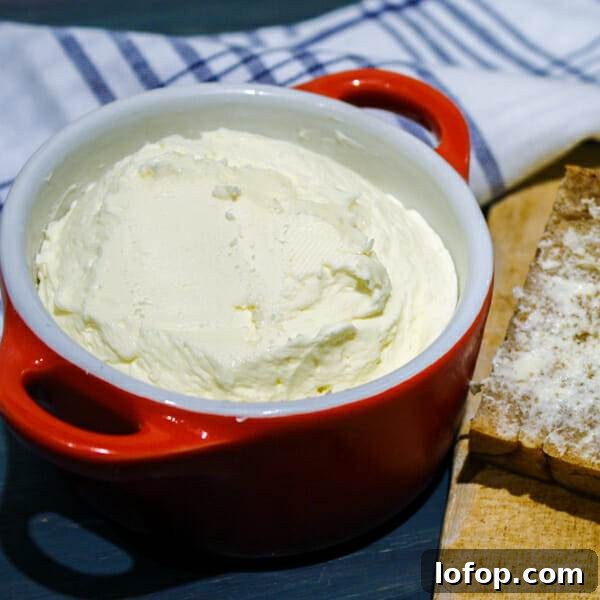
Extending butter was one method used to cope with food rationing during World War II. Shortages and rationing of butter, sugar, coffee, tea and meat made it challenging to prepare appetizing, nutritious and varied meals. Canadian homemakers—often called “housesoldiers”—met that challenge with ingenuity and kept their families well fed despite limited supplies.
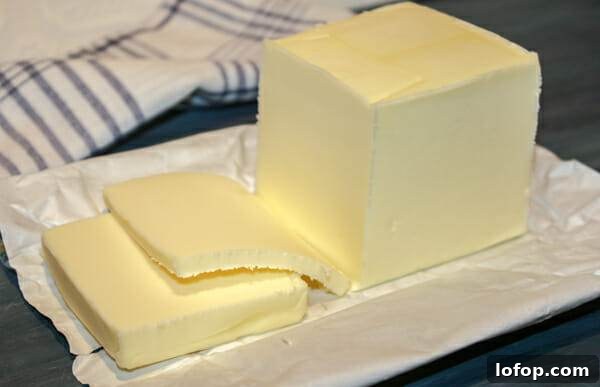
In 1942, butter rationing in Canada typically allowed 1/2 lb per adult per week, with children receiving half that amount. That meant a family of four often received just over one pound of butter weekly. Since butter was the principal fat for baking, cooking and spreading, households had to adapt. Most Canadians accepted rationing because it reduced the frequent “Butter Sold Out” signs at stores that appeared before rationing.
Radio and print media offered tips and recipes to make limited supplies last. There were two general approaches: sometimes families would save their butter for special meals, and other times they worked to stretch what they had. Recipes and tricks to turn a half-cup of butter into the appearance of a full cup soon became popular.
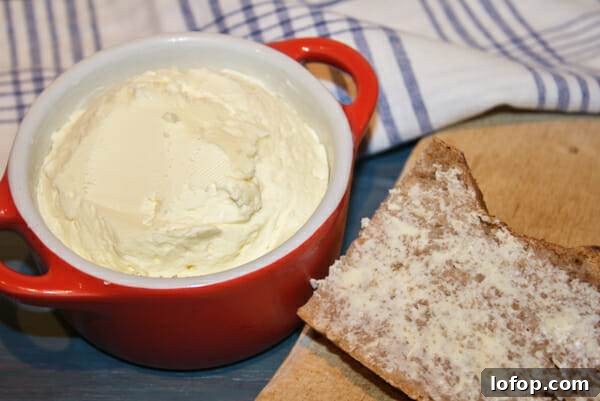
One historical source, How to Eat Well Though Rationed by Josephine Gibson (1943), shared methods for extending butter. Another simple technique that has stood the test of time—and one I’ve tried at home—is to whip equal parts butter and lukewarm water. The result yields twice as much butter by volume with roughly half the calories. It firms up like regular butter when chilled and works well wherever you would normally use a pat of butter, though it isn’t ideal for baking.


Print Recipe
Extending Butter
5 mins
5 mins
Ingredients
- 1/2 cup butter room temperature
- 1/2 cup water lukewarm
Instructions
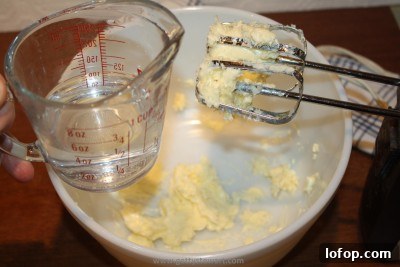
- Use a hand mixer to beat the butter until smooth.
- Gradually add the lukewarm water while mixing continuously.
- Continue beating until the water is fully incorporated and the mixture is uniform.
- Pack the mixture into a mold or dish and refrigerate.
- When chilled the butter will firm and take the shape of its container.
Notes
Tried this recipe?
Mention @GetGettyS or tag #GetGettyS
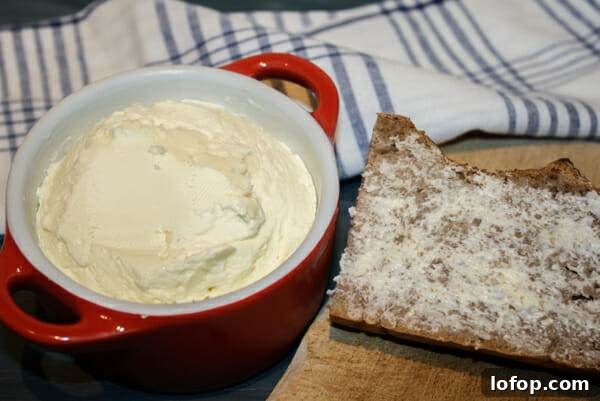
Hats off to the housesoldiers who navigated hard times and managed to feed their families with creativity and care.
If you enjoy wartime cooking, there are many vintage recipes worth exploring: molasses and brown-sugar war cakes, vegetable loaves adapted for rationing, old-fashioned baked beans, and applesauce cookies are all examples of resourceful home cooking from that era.
Thanks to the Canadian Home Economics Foundation for supporting the sharing of practical ideas that make home cooking easier and more enjoyable.
We all use shortcuts and tricks to make food last. What are your favorite techniques? I’d love to hear your ideas—please leave a comment below or tag @getgettys on Instagram or GettyStewart on Facebook.
Cook with the seasons, effortlessly! I’m Getty, a food educator and Professional Home Economist, helping you select, store, and serve seasonal ingredients in simple, delicious everyday meals. Sign up for seasonal tips and recipes, and explore books, guides and video content to learn more.